How to Use Escrow on Classifieds Safely
Learn how to use escrow on classifieds to protect buyers and sellers with clear steps, checks, and payment safety tips.
On this page
- How escrow fits into classifieds transactions
- How escrow-protected checkout works
- 1. The listing is agreed
- 2. The payment is placed into escrow
- 3. Shipment or handoff begins
- 4. The inspection period starts
- 5. Funds are released
- Choosing a trustworthy escrow service
- Safe online marketplace payments: what to check before you pay
- Step-by-step: how to use escrow on classifieds
- When to release funds, reject the item, or file a dispute
- Common mistakes and how to avoid scams
- Final checklist before completing a classifieds escrow deal
How escrow fits into classifieds transactions
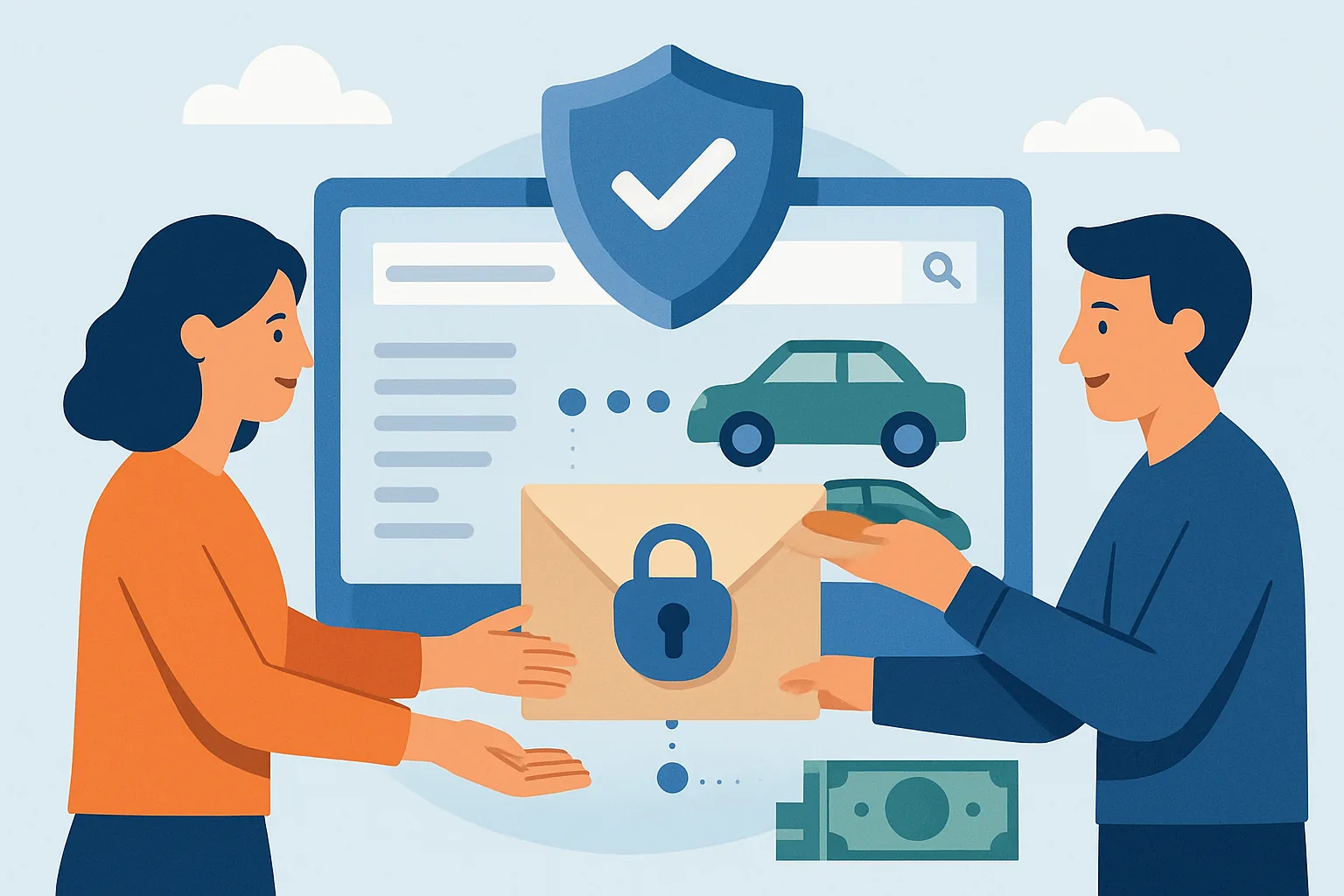
Escrow is a simple idea with an important job: it holds money in the middle while a buyer and seller complete a deal. In classifieds, where people often meet through a listing rather than through a large marketplace, that middle step can make the difference between a smooth exchange and a mess of “he said, she said.”
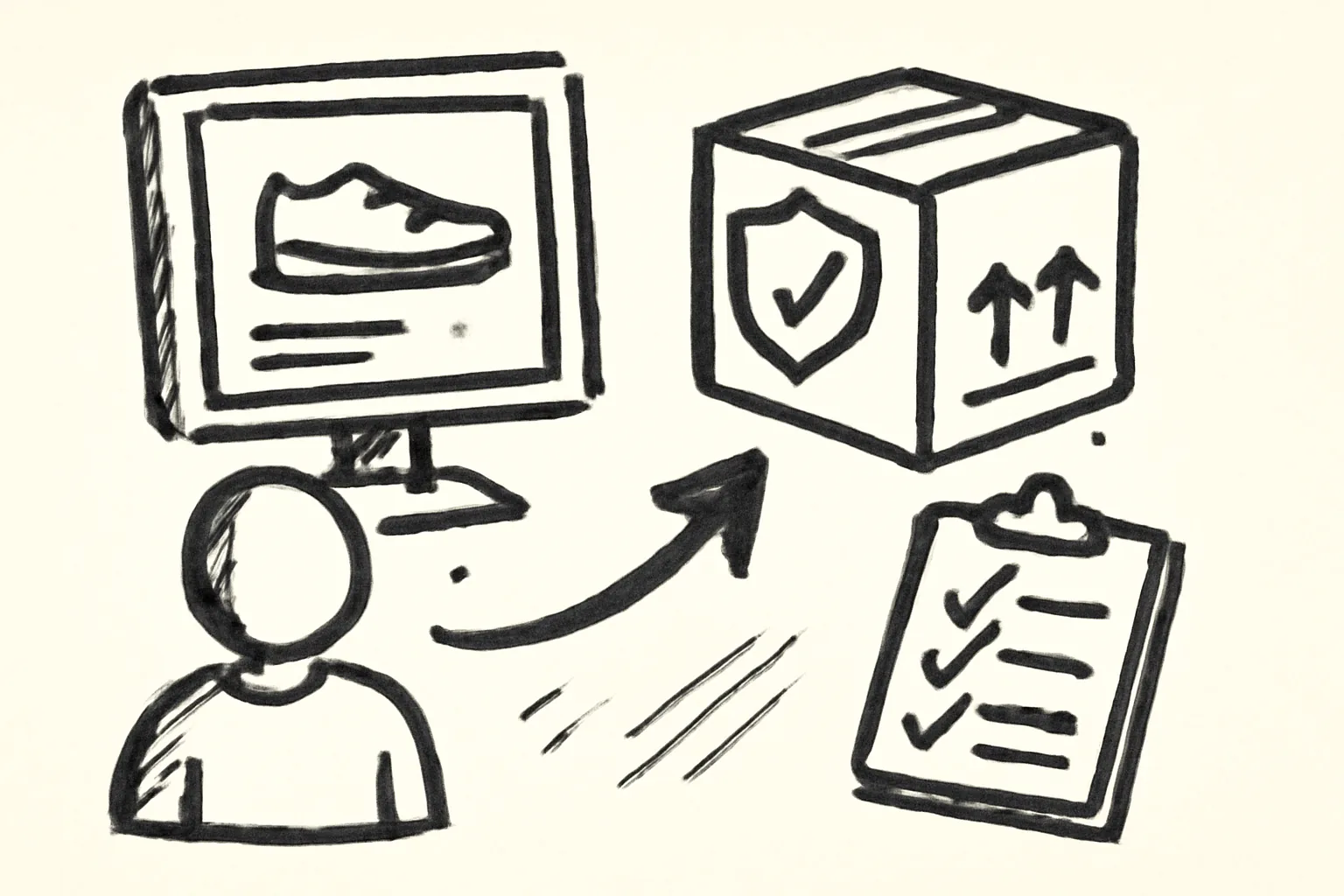
Here’s the basic flow. The buyer agrees to purchase an item. Instead of sending money straight to the seller, the payment goes into escrow, and the seller then ships the item or hands it over in person, depending on the arrangement. Once the buyer confirms the item arrived as described, the money is released. If the item never arrives, arrives damaged, or is clearly not what was promised, the buyer can usually raise a dispute before funds are released.
That is the promise of escrow in peer-to-peer listings: it lowers trust friction. The seller knows the buyer has committed funds. The buyer knows the seller cannot simply vanish with the payment. It is not magic, though. Escrow works only when both sides understand the terms and follow the platform rules. If you’re new to the broader workflow, it helps to read How Admister works first, then return to the deal itself.
How escrow-protected checkout works
Escrow-protected checkout is usually a sequence of checkpoints, not a single click. The exact labels may differ from one service to another, and some platforms add their own deadlines or verification steps, but the structure is usually similar.
1. The listing is agreed
Buyer and seller confirm the item, price, delivery method, and any condition details, and this is where misunderstandings often begin, so it pays to be specific. “Good condition” is vague; “battery holds charge for six hours, screen has one small scratch near the corner” is useful. Good listings reduce the chance of disputes later. If you need a refresher on writing clear listing copy, see how to write a classifieds ad.
2. The payment is placed into escrow
The buyer sends money to the escrow service, not directly to the seller, and the funds are marked as held, pending completion of the transaction. This is the moment when you should verify that you are on the real service page and not a copycat link. Fake payment pages are a common trick.
3. Shipment or handoff begins
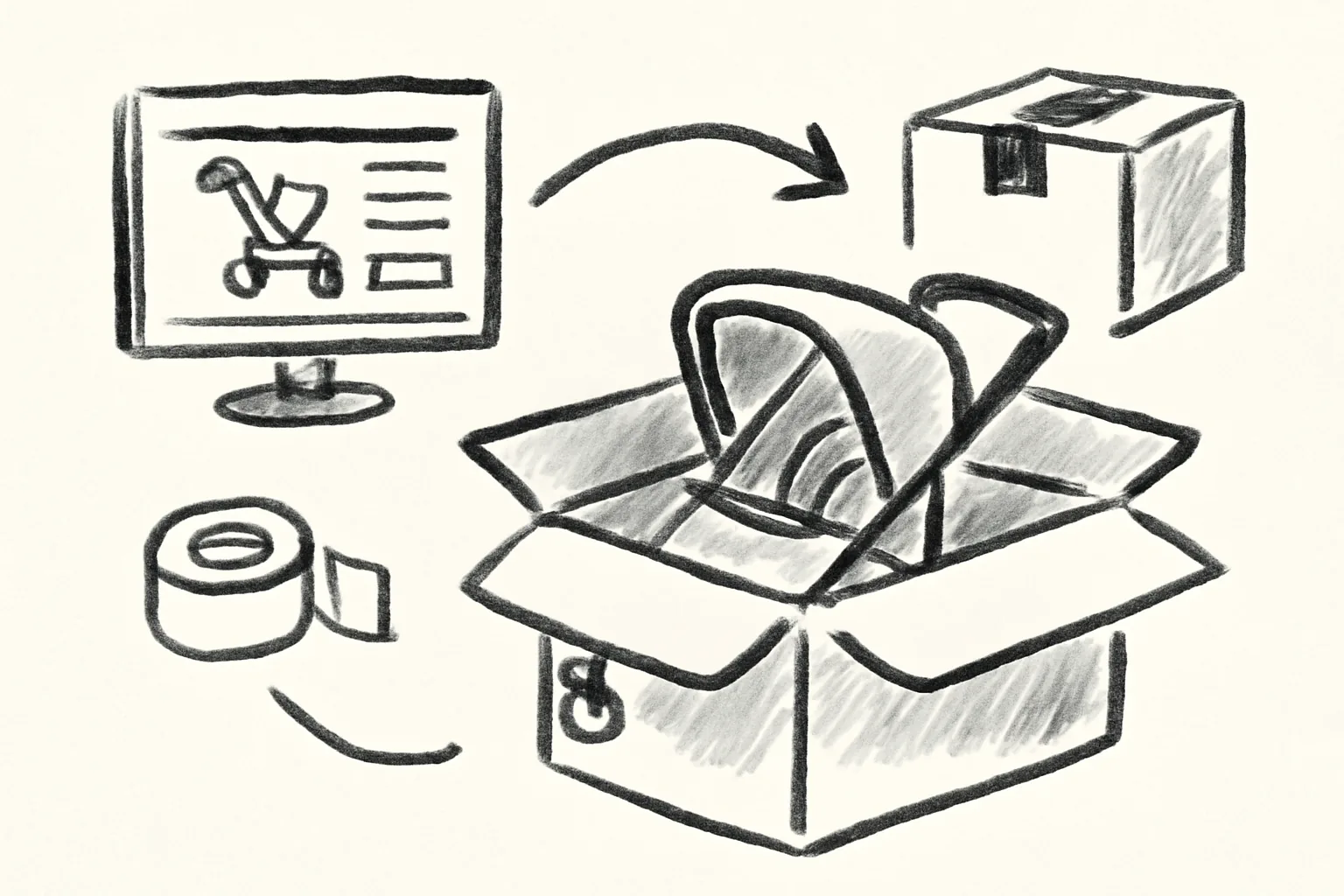
For shipped goods, the seller provides tracking or proof of dispatch. For local pickups, the parties may meet at an agreed place and the handoff is recorded through the platform or service. Some systems allow photo confirmation, code matching, or another check before the transfer is considered complete.
4. The inspection period starts
Once the item arrives, the buyer gets a limited window to inspect it. This is the part many people rush through. Don’t. Test the item properly. Turn it on. Check accessories. Compare the package to the listing and the messages exchanged before the sale.
5. Funds are released
If the buyer accepts the item, the escrow service releases the money to the seller, and if there is a problem, the buyer can raise it during the inspection window. Some services automatically release funds after a deadline if no claim is filed, so timing matters.
Choosing a trustworthy escrow service
Not every “escrow” label deserves your trust. Some services are tightly integrated into the platform where the listing appears. Others are third-party providers. And some payment processors offer a holding or dispute feature that is not true escrow at all. The distinction matters.
When comparing options, review the fee structure first. Ask who pays and when the fee is charged. A cheap service can become expensive if its dispute handling is poor or if release conditions are unclear.
Next, look at the dispute rules. Who decides whether the item meets the listing description? What evidence is accepted? Is there a human review, an automated timer, or both? The more serious the transaction, the more important these answers become.
Release conditions deserve equal attention. Some services release money after buyer approval. Others release after delivery confirmation unless a dispute is filed. A few insist on identity checks or document uploads before payout, and before you pay anything, read the service’s help pages carefully. If support matters, keep this link handy: Getting support.
If a platform offers integrated escrow, that is often the easiest route for classifieds. The key advantage is fewer moving parts. Still, “integrated” does not automatically mean “safe.” Check that the escrow account is actually tied to the listing process, not to a vague off-site payment request.
Safe online marketplace payments: what to check before you pay
Safe online marketplace payments begin long before money changes hands. The buyer should verify the seller, the item, and the conversation history. The seller should also be cautious; scammers pose as buyers just as often as they pose as sellers.
- Check seller verification. A verified account, consistent profile details, and a history of completed activity can help, but no single badge is proof of honesty.
- Review item condition evidence. Ask for current photos, serial numbers where appropriate, and close-ups of wear or damage, and a seller who avoids specifics is a warning sign.
- Read the message history. Scammers often try to move quickly and bypass normal questions. If someone pushes urgency, take the hint and slow down.
- Compare identity details. If the seller’s name, pickup contact, and payment account all point in different directions, pause and verify.
- Avoid off-platform transfers. Cash sent by wire, gift card, or messaging app is hard to reverse, and if the escrow deal is genuine, there should be no reason to “finish it elsewhere.”
One practical rule helps in almost every case: trust the paperwork, not the pitch. A polished message can hide a weak transaction. A seller may sound professional and still provide a broken tracking number, and a buyer may sound eager and still file a false claim. Facts matter more than tone.
Step-by-step: how to use escrow on classifieds
Find the listing and read it carefully.
Look for the item’s condition, included accessories, pickup or shipping details, and any statements about returns or warranty. If something seems implied rather than stated, ask for clarification before agreeing to anything.
Agree on the exact terms.
Confirm the final price, delivery method, deadline, and inspection period, and if the platform has a standard agreement, read it. If there are custom terms, get them in writing inside the platform messages.
Initiate escrow through the proper channel.
Use the platform’s official payment flow or the designated escrow page. Do not accept a payment link sent by text, email, or an unverified chat thread. If the service requires account setup, complete it before paying.
Send payment only after confirming the escrow destination.
Check the recipient details, the service name, and the deal reference. If anything looks unfamiliar, stop and verify. A rushed payment is a common source of loss.
Track shipment or document the handoff.
For deliveries, save tracking updates, delivery confirmations, and photos of packaging if available, and for local exchanges, keep the meeting record, time, and any code or confirmation used by the platform.
Inspect the item promptly.
Open the package carefully. Test the item against the listing description. If it is electronics, check power, ports, buttons, battery, and included parts. If it is clothing or gear, inspect size, stitching, labels, and visible wear.
Approve release or open a dispute.
If the item is correct, confirm acceptance so funds can be released, and if there is a problem, file the dispute before the deadline. Keep your tone factual and your evidence organized.
If you need to understand the service structure behind these steps, the overview page The 7 Admister services can help you place escrow in the bigger picture of platform tools.
When to release funds, reject the item, or file a dispute
The inspection window is where a careful buyer earns their keep. Once you accept the item, you are usually signaling that the seller has met the listing terms. That is why it is important not to release funds too quickly out of politeness or habit.
Release funds when the item matches the agreed description, arrives in working order, and includes the promised accessories, and a few small cosmetic marks may be acceptable if they were disclosed in advance. If the buyer and seller agreed that the item is used, the question is not “Is it perfect?” but “Is it as described?”
Reject the item when the problem is material: wrong model, serious damage not disclosed, missing essential parts, or an item that simply does not work as represented. Keep the rejection focused on facts. “I changed my mind” is not the same as “the seller shipped a different item.”
File a dispute if the issue cannot be resolved directly or if the service requires a formal claim before funds remain frozen. Good documentation makes a difference here. Save listing screenshots, message threads, photos, videos of unboxing if you have them, tracking details, and any proof of identity or handoff used during the transaction.
Remember that some services treat silence as acceptance after a set period. That means a buyer who delays inspection can lose the right to contest the deal. Sellers should also keep records, because a dispute is not won by confidence alone. It is won by evidence.
Common mistakes and how to avoid scams
Fake escrow links.
Scammers create pages that look almost real. Always open the escrow service from the platform’s official interface or a verified bookmark, never from a surprise link.
Pressure to pay outside escrow.
“I’ll give you a better price if you send it directly” is one of the oldest tricks in the book. If the seller wants to bypass escrow, ask why. The answer is often not reassuring.
Mismatched listing details.
If the photos, description, and conversation do not line up, stop and ask questions, and a real seller can explain a serial number, a repair mark, or a missing accessory.
Missed deadlines.
Escrow deals often depend on time windows for shipping, inspection, and disputes. Missing a deadline can mean losing protection. Set reminders as soon as the transaction begins.
Overlooking the return path.
Some buyers only think about delivery, not what happens if the item fails inspection. Before paying, learn whether returns are required, who pays shipping back, and whether the escrow service handles return confirmation.
Too much trust in a polished profile.
Profile photos, courteous language, and quick replies are not proof, and a scammer can be very charming for a short conversation. The real test is whether the deal itself makes sense.
One more useful habit: keep your account secure. If someone gains access to your marketplace login, they can alter messages, redirect payments, or impersonate you in the middle of a deal. If this is a concern, review how to secure a classifieds account before your next transaction.
Final checklist before completing a classifieds escrow deal
- We confirmed the item description, price, and delivery method in writing.
- We used the official escrow account or platform flow, not an outside link.
- The fee rules, dispute process, and release conditions were reviewed.
- Seller identity and item evidence were checked before payment.
- Shipping or handoff proof was saved.
- The item was inspected against the listing before funds were released.
- Any issue was reported within the allowed window.
- Funds were released only after both sides agreed the deal was complete.
Escrow is not complicated once you know where to look, but it does reward patience. In classifieds, patience is often the cheaper form of insurance. Read the terms, keep the conversation on the platform, document the deal, and do not release money just because the package has arrived at your door, and a careful finish is what turns a risky listing into a clean transaction.