How to Create a Safe Pickup Checklist for Local Classifieds
Learn how to create a safe pickup checklist for local classifieds with clear meetup rules, item checks, and payment steps.
On this page
- How to Create a Safe Pickup Checklist for Local Classifieds
- 1. Understand the risks of local classifieds pickups
- 2. Build your checklist before you agree to meet
- 3. Choose safe meetup locations and follow meetup safety basics
- 4. Set payment rules, including cash on delivery
- 5. Verify the item and the other party before pickup
- 6. Use a step-by-step pickup checklist on the day of the exchange
- 7. Review what went well and update your checklist
How to Create a Safe Pickup Checklist for Local Classifieds
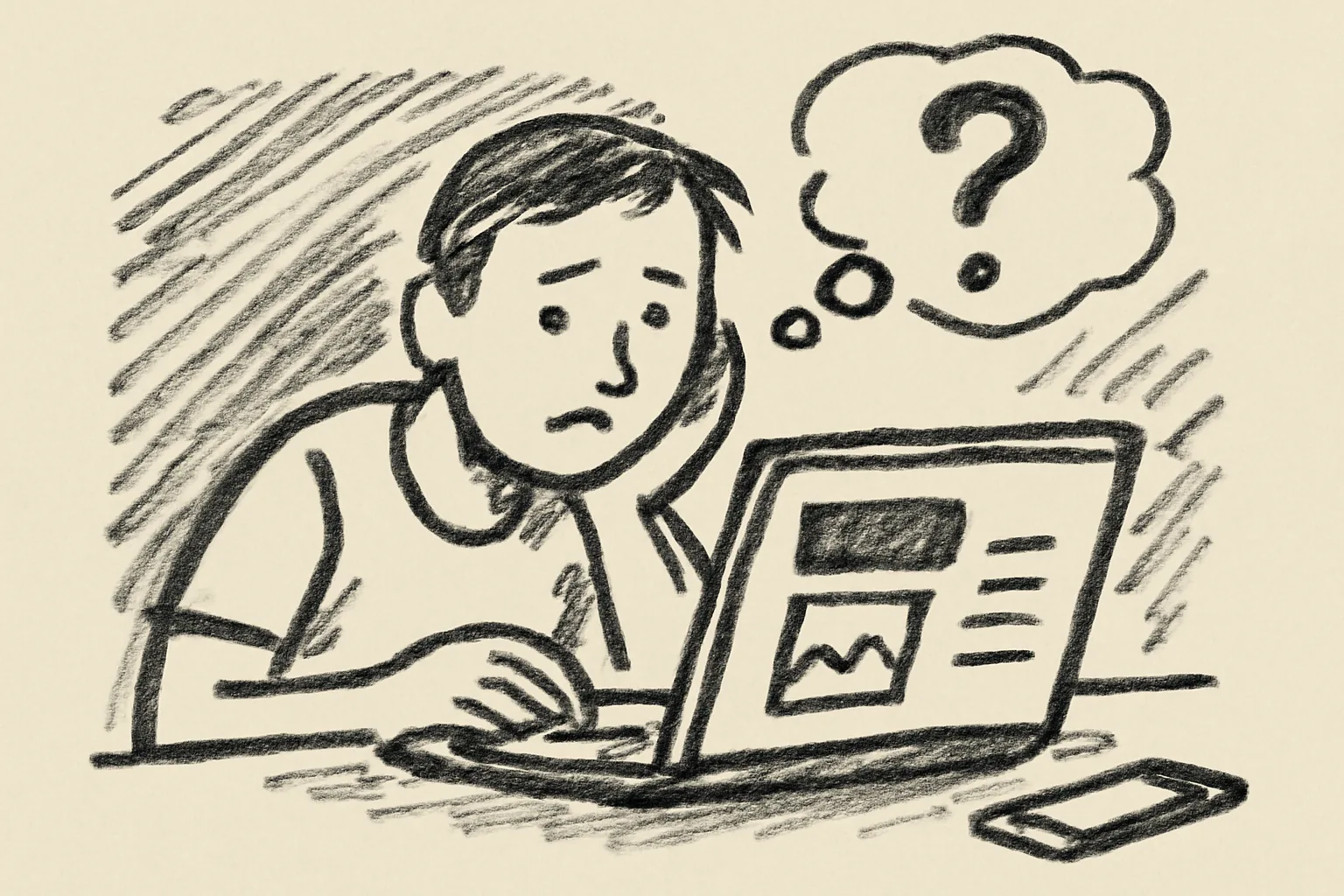
Local classifieds work best when they feel simple: find an item, agree on a price, meet up, hand over the money, and head home with what you came for. In practice, though, pickups can get messy. A seller may show up late, a buyer may want to renegotiate at the curb, or the item may look very different from the photos. And sometimes the issue is bigger than inconvenience. A pickup can be a scam, a privacy problem, or just an unsafe meeting arranged too casually.
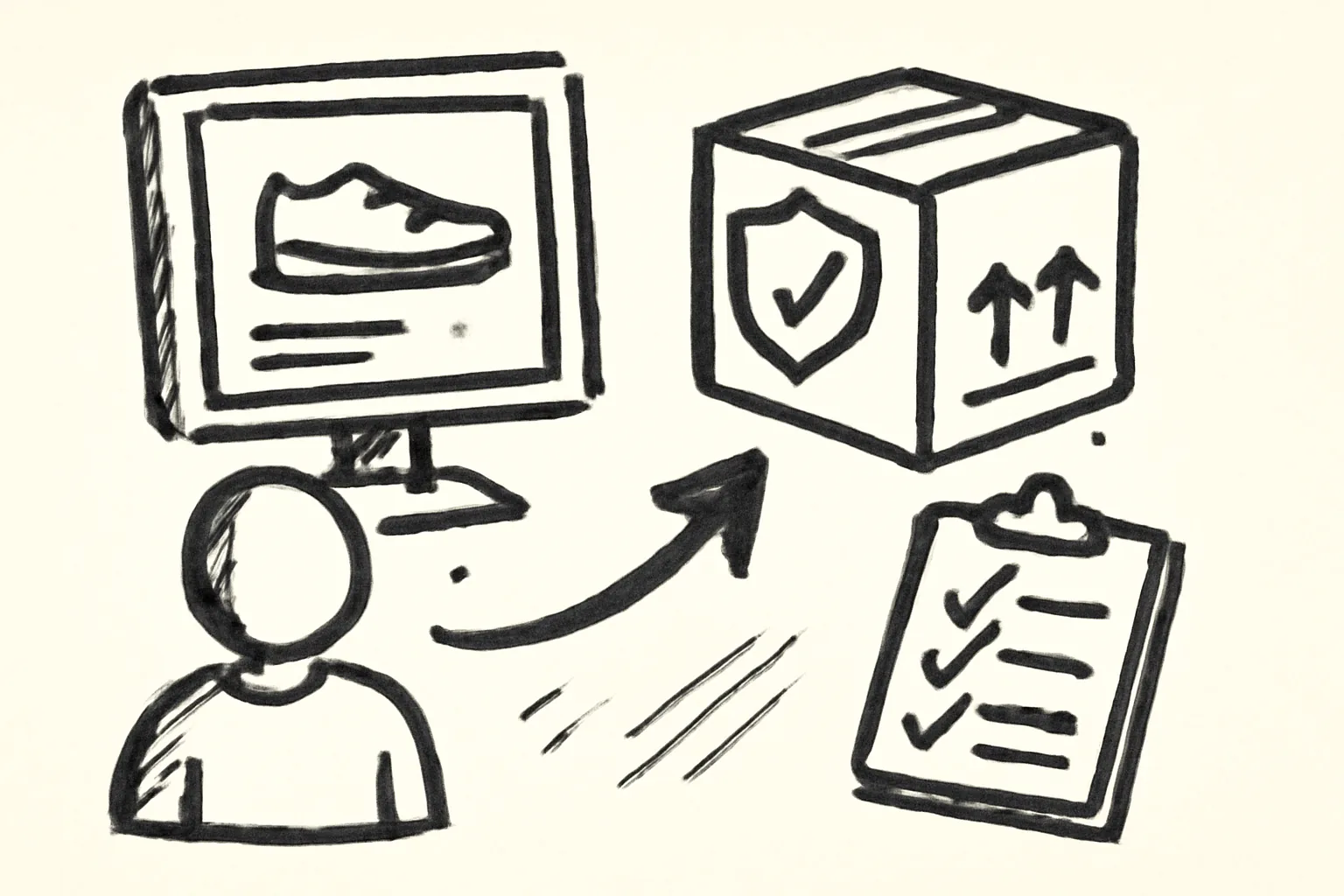
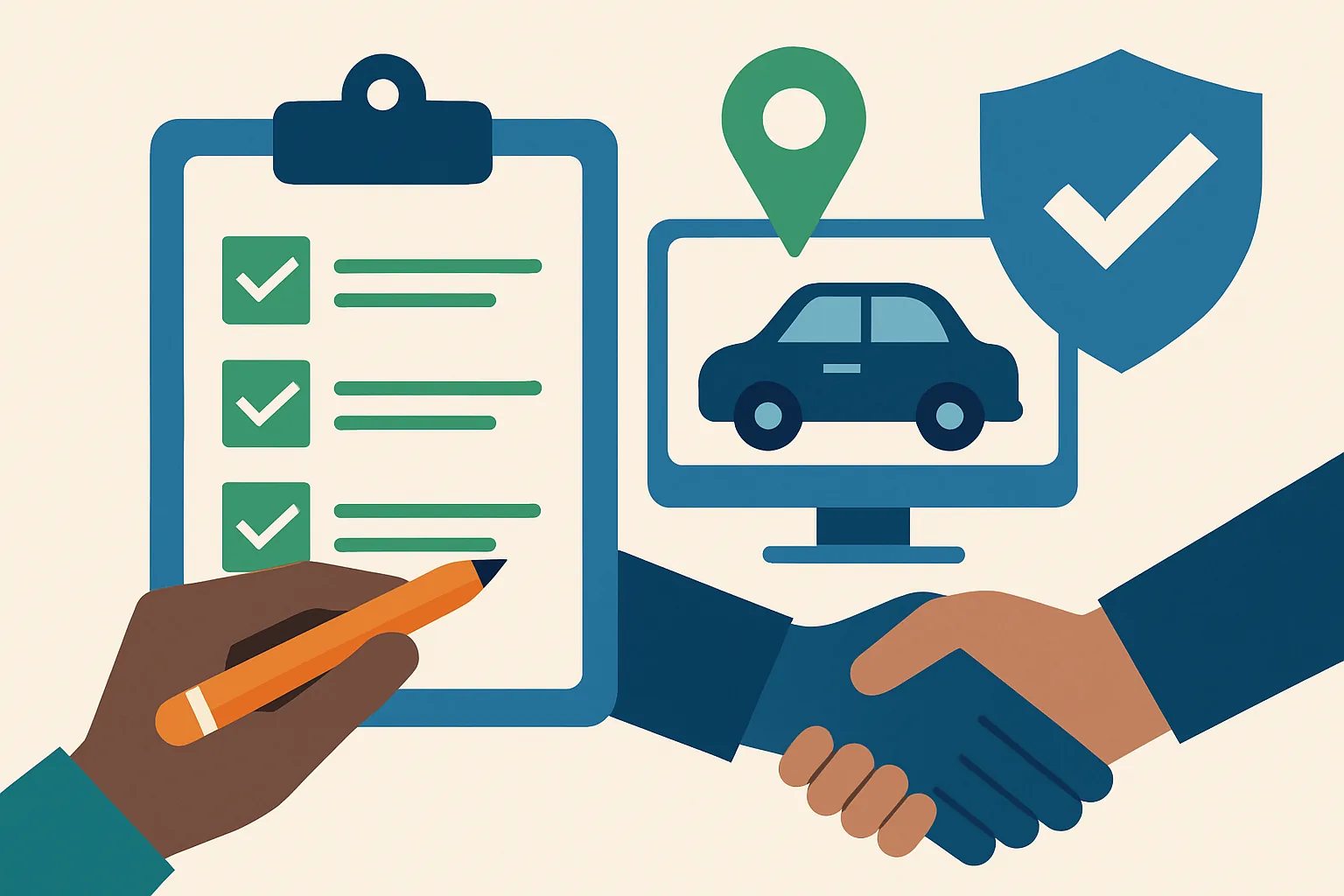
A safe pickup checklist gives you something better than nerves and memory. It turns a loose arrangement into a clear process. You decide in advance what to confirm, where to meet, how to pay, and when to walk away. That matters whether you are selling a used lamp across town or buying a phone from someone you found on a classifieds platform. If you want a broader sense of how the platform fits together, the How Admister works guide is a useful place to start.
1. Understand the risks of local classifieds pickups
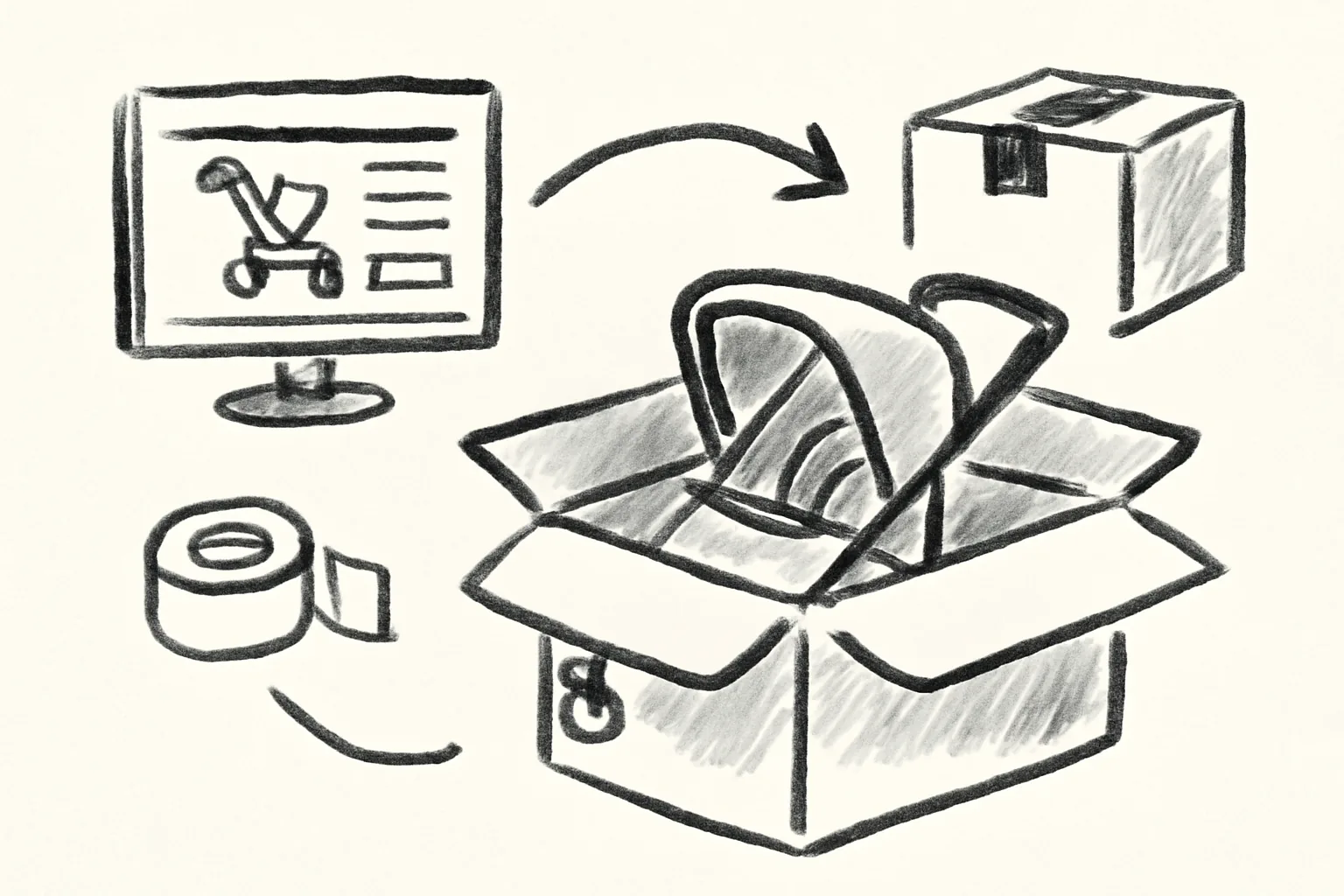
The common pickup scenarios are familiar enough. A buyer meets a seller at a café parking lot to collect a chair. A parent buys children’s gear from someone in the next neighborhood. A student picks up a used laptop after class. These exchanges are ordinary, but the risks vary with each one.
One risk is simple misrepresentation. The listing may say “like new” and the item may be heavily worn. Another is communication drift: the item, the location, or the price changes at the last minute. Then there are safety concerns tied to the meetup itself. Not every address is suitable, and not every person on the other side of the chat is acting in good faith.
A safe checklist should help prevent a few specific failures:
- Arriving at a meetup without enough details to know what you are buying or selling.
- Agreeing to a location that feels private, isolated, or hard to leave.
- Paying before you have checked the item.
- Forgetting to confirm identity, timing, or the exact item being exchanged.
- Letting pressure in the moment replace the terms you intended to follow.
That last one deserves attention. People often do things at pick-up time they would never agree to in writing. A seller asks for “just a small deposit.” A buyer says they forgot the cash and promises to transfer later. Someone says the meetup point changed because they are “in a hurry.” Small exceptions pile up fast. A checklist is there to stop that drift.
2. Build your checklist before you agree to meet
The best time to build a checklist is before the conversation becomes a plan. Once both parties think a deal is already done, it becomes harder to raise practical conditions without sounding difficult. So write down the essentials early and keep them steady.
Start with the item itself. Record the name, brand, model, size, color, and any condition notes that matter. If the item has accessories, list those too. For example, if you are buying a second-hand camera, the checklist might note battery, charger, strap, memory card, and any known defects. If you are selling furniture, note whether assembly tools are included and whether the buyer needs to bring a vehicle large enough to carry it.
Next, capture basic information about the other party. You do not need an exhaustive profile, but you do want enough to avoid confusion. A name, the account they used to message you, and the phone number or contact method can help you keep records straight. If you need help confirming a phone number format or checking whether a number looks unusual, see Checking a phone number.
Your checklist should also cover timing and communication rules. Decide the earliest acceptable meetup time, how long you are willing to wait, and whether changes must be confirmed in writing. A small but useful rule is this: if the location changes, the price changes, or the item changes, the deal pauses until you confirm the new terms.
Finally, include a brief section for decision points. For instance:
- Will I inspect the item before paying?
- Will I accept cash only, or another method?
- Will I meet if the location changes to a private address?
- Will I continue if the item no longer matches the photos?
These are not dramatic questions. They are the practical ones that save time and trouble later.
3. Choose safe meetup locations and follow meetup safety basics
Location is the backbone of safe pickup planning. A good location is easy to find, reasonably public, and simple to leave if something feels wrong. A bad one is hard to access, poorly lit, or isolated enough that you would rather not linger there at all.
Public places are usually the safest choice. Busy café areas, shopping center parking lots, and other neutral, visible locations tend to reduce pressure and make the exchange feel more routine. Daylight hours are also easier to manage than evening pickups, when visibility drops and public spaces thin out. If you can choose between “after work in the dark” and “late morning in a busy area,” choose the latter.
It also helps to bring another person. That does not mean you are expecting trouble; it means you are reducing uncertainty. A second set of eyes can help with item inspection, and another person nearby makes it less likely you will feel cornered into a bad decision. If you are selling something bulky, another person can also help with lifting or loading.
Telling someone your plans is just as important. Share the meetup location, the other party’s contact info, and your expected arrival and departure times with a friend or family member. If the exchange takes longer than expected, someone else should know where to look. That kind of simple accountability is easy to overlook, especially for local pickups that seem “too small to matter.”
Avoid isolated or private locations unless there is a clear reason and you have already assessed the risk carefully. A private home, a secluded street, or a place with limited foot traffic can make it harder to leave comfortably if the conversation goes sideways. If a seller insists on meeting somewhere unusual, ask why. If the answer is vague, you already have a signal worth noting.
For general account or marketplace guidance on the platform, you can also review Frequently asked questions. The details may vary by service, but the safety logic remains the same: keep the exchange clear, visible, and easy to exit.
4. Set payment rules, including cash on delivery
Payment disputes often begin long before money changes hands. The seller thinks the price is final. The buyer assumes there will be a discount in person. Someone says “cash on delivery” but means “cash after I look at it,” while someone else means “cash once I’m satisfied, but I might still negotiate.” That is not a plan; that is a misunderstanding waiting for a parking lot.
State the price in the checklist and confirm it in messages before you meet. If there is room for negotiation, decide whether it happens before pickup or not at all. Being flexible is one thing; being vague is another.
Cash on delivery can be a practical option for local classifieds because it keeps the exchange simple. The buyer inspects the item, the seller presents it as agreed, and payment happens once both sides are satisfied. But “cash on delivery” should still be defined clearly in your checklist. Write down when the cash is handed over, whether change should be brought, and whether payment occurs only after inspection.
A straightforward payment section might include:
- Final agreed price.
- Accepted payment method.
- Whether the item is inspected before payment.
- Whether deposits are allowed.
- Whether any discount is already included or must be refused at pickup.
For example, if you are selling a dining table and the buyer asks for a lower price on arrival because one screw is missing, your checklist should already tell you whether that is a conversation you are willing to have. If not, the answer is easy: no renegotiation at the meetup.
There is one more rule worth adding: never let payment pressure replace item inspection. If the other party wants the money first and promises you can check the item afterward, stop. That is not a small courtesy; it is a shift in risk. The safe order is usually inspect first, pay second, leave third.
5. Verify the item and the other party before pickup
Verification begins in messages. Before the meetup, compare what was promised against what was actually listed. If the listing said “original charger included,” ask for confirmation. If the item had a visible flaw in the photos, make sure both parties understand it. Written messages are useful because they create a record. So if the item changes, the terms should change in writing too.
Then compare the listing to the item when you arrive. Check the obvious things first: model, condition, included accessories, and any damage that matters to you. If something feels off, do not rush to explain it away. It is perfectly reasonable to pause and ask a question before money changes hands.
Several red flags should make you slow down or cancel. These can include pressure to change the meetup location at the last minute, refusal to let you inspect the item, inconsistent details about the item itself, or a push to use an unusual payment arrangement. If the other party becomes irritated the moment you ask a normal question, that is not reassurance. It is information.
Be especially careful with high-demand items such as phones, laptops, game consoles, and branded accessories. These items attract copycat listings and quick-turnover scams because they are easy to describe and easy to move. If you are unsure how to assess the listing before meeting, our article on how to detect a fake classifieds may help you spot patterns that deserve a closer look.
Your checklist should include a short verification step such as:
- Confirm the item name and model in messages.
- Check that the meetup person matches the account or contact you spoke with.
- Inspect the item for condition, function, and included parts.
- Pause if the item or terms differ from what was agreed.
- Proceed only when the exchange still matches the plan.
A good rule of thumb: if you need to “make it work” by ignoring a mismatch, you probably should not proceed.
6. Use a step-by-step pickup checklist on the day of the exchange
On pickup day, a checklist should be short enough to use without effort and specific enough to prevent improvisation. Keep it in your notes app, on paper, or wherever you can access it quickly.
- Review the listing and the agreed terms before you leave.
- Charge your phone and make sure someone knows where you are going.
- Bring only the payment method you planned to use.
- Arrive at the agreed place on time, not early enough to loiter and not late enough to create confusion.
- Confirm the identity of the other party using the contact details already shared.
- Inspect the item carefully before paying.
- Check any included accessories, functions, or damage you noted in advance.
- Pay only after the item matches the agreement.
- Ask for a receipt, message confirmation, or another record of the exchange if appropriate.
- Leave promptly once the exchange is complete.
That list is deliberately plain. The day of the pickup is not the time for heroics or improvisation. If the meetup goes smoothly, great. If it does not, the checklist gives you an exit without awkward guesswork.
One practical tip: keep the conversation focused on the transaction. Friendly small talk is fine, but do not drift into extra arrangements, future deals, or unrelated favors. The more the exchange stays inside the boundaries you set, the less room there is for confusion.
7. Review what went well and update your checklist
A checklist should evolve. After each pickup, take a minute to note what worked and what did not. Did the meetup location feel safe and easy to find? Was the item described accurately? Did payment happen the way you expected? Did anything make you uncomfortable even though the exchange was technically successful?
Those notes become useful fast. If a seller repeatedly changes the meetup point, you may decide to refuse such changes in the future. If you keep forgetting to ask about accessories, add that question to the top of the checklist. If you realized only at the last minute that you did not know whether cash on delivery was still the agreed method, move payment confirmation higher in the process.
Good checklists are not glamorous. They are a little repetitive, a little cautious, and very effective. The point is not to make local classifieds feel heavy or suspicious. The point is to make them predictable enough that ordinary exchanges stay ordinary.
And if something did go wrong, document it. Save the messages, note what was promised, and keep the details for your own reference. A future checklist is only as good as the lessons you carry forward.
Local pickup should not feel like a gamble. With a few written rules, a sensible location, clear payment terms, and a habit of verifying what you see, you can make the process calmer and safer. That is the real value of a safe pickup checklist: it gives you a steady routine when the conversation, and the weather, and the person across from you are all slightly less predictable than you hoped.