What Changed in Online Classifieds Shipping Protection in 2026?
Learn what changed in online classifieds shipping protection in 2026, including clearer claim rules, proof needs, and when coverage applies.
On this page
- What does shipping protection cover in online classifieds now?
- What changed in 2026 for shipped classifieds orders?
- Who is covered when a classifieds item is shipped?
- When does shipping protection usually apply—and when does it not?
- What proof is typically needed to file a shipping protection claim?
- How do shipping protection claims work after delivery problems?
- What should buyers and sellers do before shipping a classified item now?
- Where should you check the current shipping protection rules for your platform?
What does shipping protection cover in online classifieds now?
Shipping protection in online classifieds is the policy layer that decides what happens when a platform-arranged shipment goes wrong. In practice, it usually addresses three problems: an item is lost in transit, it arrives damaged, or it lands at the wrong address.
That sounds simple, but the details matter. A phone sent in a padded mailer is not treated the same way as a boxed console with a tracked label, and a seller who hands the parcel to the carrier without any platform label may face a different result than one who follows checkout instructions exactly.
Think of shipping protection as a limited promise, not a blanket guarantee. It often depends on the item category, the shipping method, and whether both sides stayed inside the platform flow from payment to handoff.
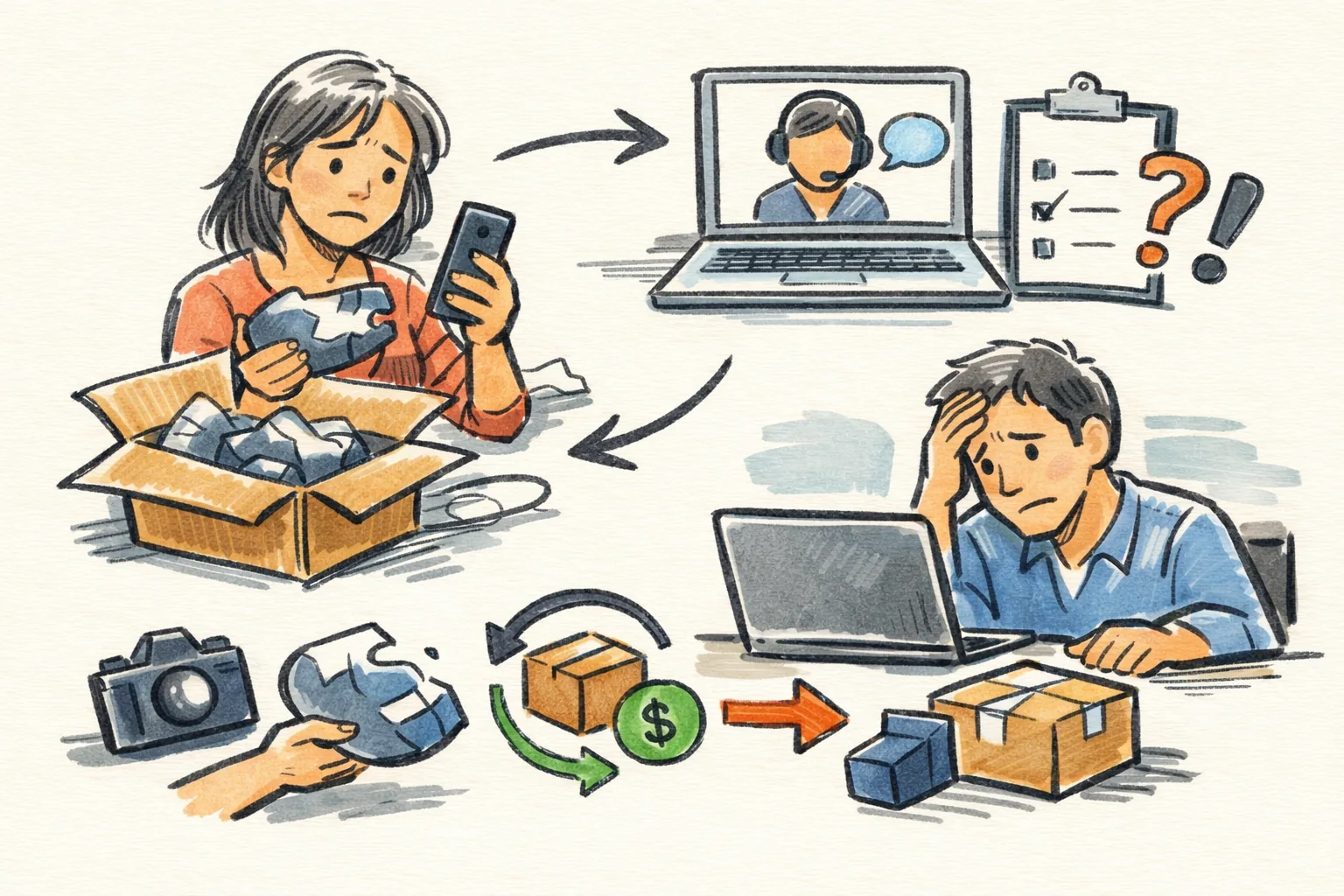
One small example helps. If a buyer says the box arrived empty, the claim usually turns on whether the seller packed the item correctly, whether the tracking shows delivery, and whether the platform can see the shipment from the start.
What changed in 2026 for shipped classifieds orders?
The biggest shift in 2026 was clarity. Sellers and buyers started seeing more explicit coverage boundaries, more defined claim triggers, and clearer handoff points between the seller, buyer, carrier, and platform.
That matters because the old system often felt fuzzy. A claim could stall for days while everyone argued about who had possession of the item at each step, and that uncertainty is exactly what changed in online classifieds shipping protection in 2026 for many users.
Now the process tends to ask sharper questions. Was the label created through the platform? Did the seller hand the parcel to the named carrier on the required date? Was the buyer’s address confirmed through checkout? Those steps can decide the case before a human reviewer even opens it.
Some platforms also tightened the distinction between a shipping problem and a dispute about item condition. A cracked screen in transit may fall under shipping protection, while a screen that was already cracked before dispatch may not.
One useful side effect is fewer vague submissions. Claims that arrive with a tracking number, delivery scan, and three dated photos are easier to sort than claims built on memory and a chat message from Tuesday.
Who is covered when a classifieds item is shipped?
Coverage usually depends on which party followed the platform’s shipping steps. In many cases, the seller is the one who can open a claim about loss or damage, but the buyer may need to report the problem first so the seller can act within the claim window.
The payment path matters too. If the buyer selected the shipping method at checkout and the platform generated the label, coverage may be tied to that order record. If the seller used a private label or a carrier pickup outside the platform, the claim rules may look very different.
Some marketplaces also care about who paid for the label. A seller-paid label and a buyer-paid label can create different responsibilities, especially if the package goes missing before delivery. That is not a minor detail; it can decide whether the platform sees the shipment as protected.
For sellers, the practical rule is plain: keep the order inside the platform system, from payment to handoff. If the process moves outside that system, shipping protection may move with it, or vanish.
For buyers, the main point is to follow the checkout path exactly. A side deal arranged in chat can be convenient, but convenience is not a claim strategy.
When does shipping protection usually apply—and when does it not?
Shipping protection usually applies to platform-arranged shipments with tracking and a verifiable handoff. It often does not apply when a buyer pays off-platform, when an item is picked up locally, or when the seller never gets proof that the parcel entered the carrier network.
Prohibited items are another hard stop. If the listing breaks platform rules, shipping protection may fail even if the box had a label and the tracking looks clean. That is a harsh result, but it is common enough to deserve a careful read before anyone ships anything.
Buyer-arranged shipping is also risky. If the buyer sends their own courier or asks the seller to hand a package to a friend, the platform may have no reliable way to verify the chain of custody. No chain, no clean claim.
Missing tracking can end the discussion quickly. A parcel with no scan history is hard to prove, and a handoff that was never photographed is even harder.
Local pickup deserves its own line because it is not shipping. Once a seller meets a buyer in person, shipping protection usually stops being the right policy to invoke.
What proof is typically needed to file a shipping protection claim?
Most claims start with tracking status. A scan showing acceptance, transit, delivery, or non-delivery gives the platform a timeline, and without that timeline the claim often becomes a word-against-word dispute.
Packaging photos are another common requirement. A seller who can show the item wrapped, boxed, and labeled before handoff has a much stronger position than a seller who packed in a rush and kept no record.
Item-condition records matter as well. If a buyer says the item arrived damaged, photos taken before dispatch, plus photos taken at opening, can show whether the damage happened in transit or before the parcel left the seller.
Message history is easy to overlook, but it can be decisive. A chat thread that confirms the shipping method, the label, the address, and the handoff date can settle a claim faster than a long written explanation.
Delivery confirmation is another basic piece. A photo from the courier, a signature, or a recorded drop-off scan can help answer the simple question: did the item reach the address that was entered in the order?
| Proof item | Why it matters | Typical source |
|---|---|---|
| Tracking number | Shows the parcel’s movement and delivery status | Platform label or carrier receipt |
| Packaging photos | Shows how the item was prepared before handoff | Seller’s phone camera |
| Pre-shipment item photos | Shows condition before dispatch | Seller’s listing archive |
| Delivery confirmation | Shows whether the parcel reached the address | Carrier scan or proof of delivery |
| Message history | Shows agreed shipping steps and timing | Platform chat |
How do shipping protection claims work after delivery problems?
The claim process usually starts as soon as the problem is noticed. If a parcel goes missing, the buyer reports it; if it arrives damaged, the buyer should document the box before touching the contents too much, because first impressions fade quickly.
After that, the platform typically asks for the evidence already mentioned: tracking, photos, order details, and messages. A claim that arrives with all four can move faster than one that needs follow-up questions on every line.
Deadlines matter. Many shipping protection systems require notice within a fixed period after delivery or after the expected delivery date, and missing that window can close the claim before it begins.
The review step can involve the seller, the buyer, and the carrier. That is where a parcel handed to the wrong counter, or a label printed with the wrong apartment number, can become the deciding fact.
Possible outcomes are usually narrow. The platform may approve reimbursement, deny the claim, or ask for more evidence. Sometimes the outcome is partial, especially if only part of the shipment issue can be verified.
If you want a broader sense of platform process before filing, the support pages on buying on admister and the frequently asked questions section are the first places to check. They are not a substitute for the policy text, but they can save ten minutes of guesswork.
What should buyers and sellers do before shipping a classified item now?
Sellers should photograph the item, the packaging, and the label in one session. Three photos are often enough if they are clear, dated, and taken before the parcel leaves your hands.
Buyers should check the address before paying. A mistyped street number can turn a protected shipment into a long carrier search, and the platform may treat that mistake as a user error rather than a shipping failure.
Use the platform label whenever the platform offers one. That single step is often what keeps shipping protection attached to the order, and it also makes the tracking record easier to read later.
Keep all communication on-platform. A promise made in a private app can be hard to prove, while the same promise in platform chat can support a claim with timestamps and order context.
Pack for the trip, not for the photo. A mug needs cushioning on all sides; a laptop needs corner protection and a box that does not let the machine slide. One careless wrap job can sink a claim, even when the item itself was fine at departure.
If you are unsure about account steps or shipment records, the guide on how admister works and the page on keeping your account secure are useful before you post anything expensive. A clean account and clean order trail make later checks simpler.
Where should you check the current shipping protection rules for your platform?
Check the current shipping protection rules on the platform’s help pages, not in old forum posts. Policies change quietly, and a rule that applied in March may not survive a policy update in July.
For admister users, the best starting point is the support area and the service pages, especially if you need to confirm which transactions are covered and which are not. The page on the 7 admister services can help you see where shipping protection fits into the wider process.
Read the exact policy language before you list a high-value item. A camera body, a game console, or a set of collectible cards can each trigger different handling rules, and those rules are often written in the fine print rather than the headline.
If your shipment is already in trouble, do not wait for a social post to explain the rule. Open the help page, save the claim deadline, and keep every scan, photo, and chat thread together in one place.
One last practical point: if a platform changes its wording without a big announcement, the current help page is the source that matters. Shipping protection is only as strong as the rules that were active on the day the parcel was sent, and that is the page you will need when the parcel is not where it should be.