What Changed in Online Classifieds Payments Recently
Learn what changed in online classifieds payments recently, from integrated checkout and protection to faster payouts and more payment methods.
On this page
- Overview of the Recent Payment Shifts
- From Cash and Off-Platform Deals to Integrated Payments
- Stronger Buyer and Seller Protection Features
- More Payment Methods and Faster Payouts
- Identity Checks and Compliance Requirements
- Fees, Service Charges, and Platform Monetization
- Impact on Users: Convenience vs. Control
- What to Watch Next
Overview of the Recent Payment Shifts
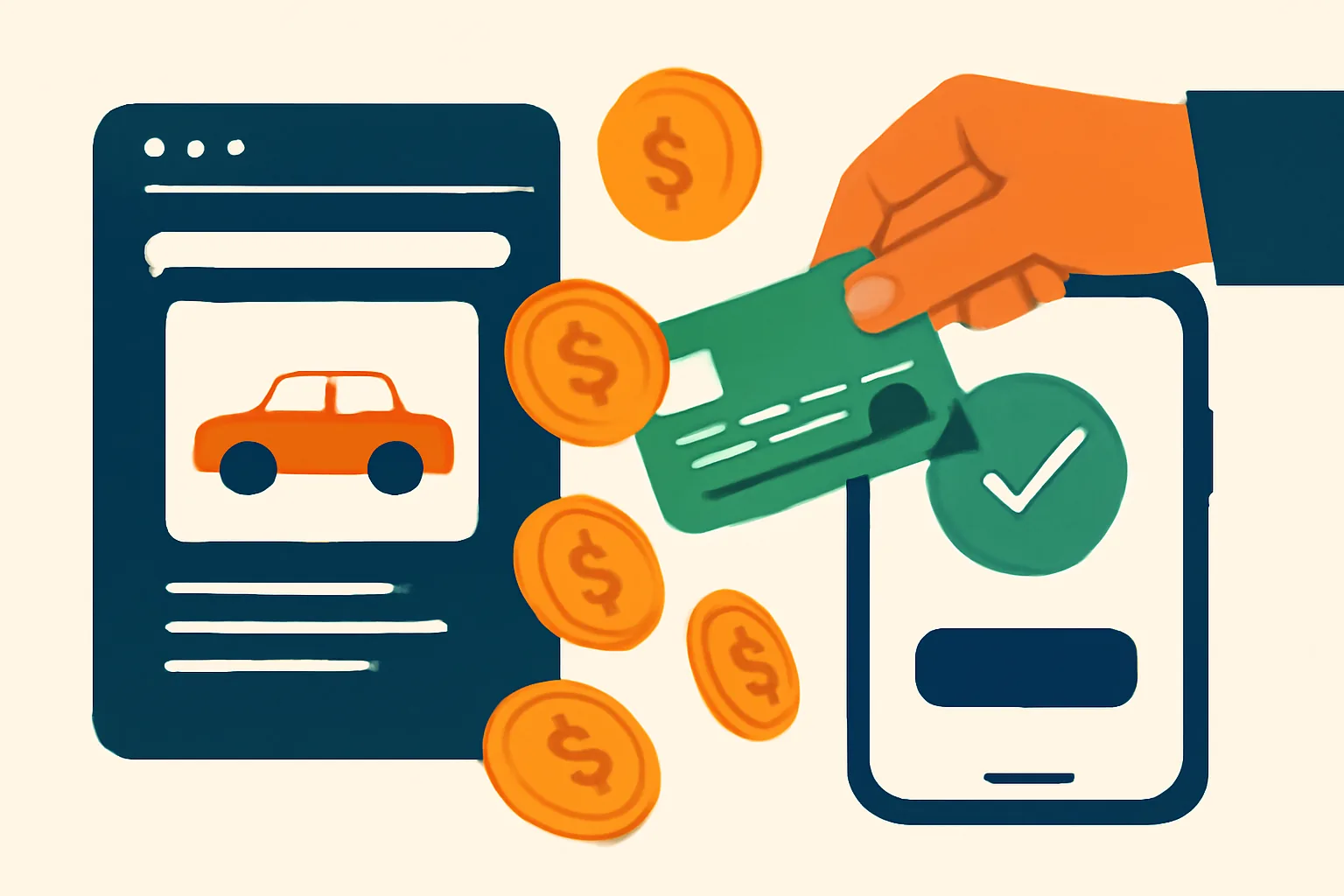
Online classifieds payments changed faster in the last few years than many sellers expected. The biggest shift is simple: payment moved closer to the platform, not farther away. A buyer now often pays inside the listing flow, sees a checkout screen, and gets a receipt or status update instead of sending money by message and hoping for the best. That shift has changed fees, refunds, and even how trust is built. The phrase people keep using is “what changed in online classifieds payments recently,” and the answer starts with checkout design.
Five years ago, many classifieds sites still behaved like bulletin boards. A listing was posted, a phone number was shared, and the rest happened by text, cash, or bank transfer. Today, many platforms insert a payment step, a verification step, or both. That sounds minor. It is not. Once a platform sits between buyer and seller, it can set rules for timing, dispute windows, and what counts as proof of delivery.
Some changes are visible in 3 clicks, and some are hidden in policy pages. A platform may add a transaction fee, split a payment into seller payout and service charge, or hold funds until the buyer confirms receipt. These changes are meant to reduce fraud, but they also make the payment process more formal. For many users, classifieds no longer feel like a quick handoff in a parking lot.
From Cash and Off-Platform Deals to Integrated Payments
Cash used to rule local classifieds. A buyer met a seller, inspected the item, and paid on the spot. If the deal fell apart, both sides walked away. That was the appeal: no platform in the middle, no waiting, no extra steps. Yet the same setup made it easy for bad actors to vanish after receiving payment, especially in higher-value categories like electronics, bikes, and furniture.
Integrated payments changed that pattern by creating a recorded transaction inside the classifieds platform. In practice, the platform may collect the buyer’s money first, then release it after a delivery event or confirmation. Escrow-style handling is common in some marketplaces, though the exact design varies. This matters because it reduces the number of off-platform deals, where neither side has much evidence if something goes wrong.
There is a tradeoff here. A seller who liked cash and same-day pickup may now face 2 extra steps: enter payment details and wait for payout. A buyer who once negotiated in messages may now see fixed checkout rules and fewer chances to haggle after the order starts. That can feel stricter, but it can also stop the awkward “I sent it, did you get it?” exchange that used to dominate message threads.
Some platforms still allow direct arrangements for local pickup. Others push users toward built-in payment tools by making off-platform contact harder or by warning against cash-only behavior in certain categories. The result is not a complete disappearance of old habits. It is a narrowing of them.
Stronger Buyer and Seller Protection Features
Protection features became one of the main selling points for classifieds payments. Purchase protection, dispute handling, and order tracking are now part of the pitch on many platforms. A buyer wants a path to a refund if a package never arrives. A seller wants to avoid chargebacks and false claims. Both sides want proof, and the payment system is where that proof usually starts.
Order tracking is especially useful once shipping enters the picture. A label scan, delivery scan, or carrier confirmation can help decide whether an item was sent and whether it reached the address. If the parcel is damaged or missing, the platform may ask for photos, timestamps, and a message trail. That sounds bureaucratic, because it is. But a dated record beats a vague memory almost every time.
Dispute handling has also become more structured. Many classifieds platforms now define how long a buyer has to report a problem, what counts as an eligible issue, and which documents a seller should keep. That can help both sides, though it also means users need to understand the rules before money changes hands. For a practical primer, see staying safe as a buyer and buying on admister.
Fraud checks have grown more visible too. A platform may flag a new account, hold a payment, or ask for extra confirmation if the order looks unusual. That can be annoying for a genuine sale, especially if you are trying to move a sofa on a Sunday afternoon. Still, the alternative is worse: a platform that lets every suspicious payment pass through unchecked.
More Payment Methods and Faster Payouts
Payment choice widened. Cards remain common, but wallets, bank transfers, and other local methods now appear in more classifieds checkout flows than they did before. The reason is practical: if a platform offers only one payment method, it loses users who cannot or will not use it. A buyer in one country may prefer a bank transfer; another may reach for a digital wallet first.
Seller payout speed also improved in many cases. Some platforms offer instant payouts, while others use scheduled payouts after a short hold period. Faster payout is attractive, but it usually comes with a fee or stricter verification. Nothing in payments is free.
Bank transfers still matter because they fit larger transactions. Cards are convenient for smaller purchases and familiar checkout screens. Wallets can be useful on mobile, where a buyer wants to finish in under a minute. If you have ever sold a used camera and waited for a payout confirmation before handing over the receipt, you already know why the payment method matters more than the listing photos.
Some platforms also offer split payments or staged release. That means part of the funds may be held while the order is in transit, then released after delivery. Sellers may prefer the certainty of that structure over a direct transfer that can be reversed. Buyers often like the visibility, especially if the item is shipped rather than collected in person.
Identity Checks and Compliance Requirements
Identity checks have become a normal part of classifieds payments. Many platforms now ask for government ID, bank verification, a selfie check, or business details before allowing full payment access. This is often grouped under KYC and AML requirements, though the exact process depends on country and provider. The reason is not mysterious: payment systems are watched more closely than simple ad boards, and platforms have to prove they know who is moving money through them.
Transaction monitoring is another layer. If an account sends or receives unusual payment volumes, the platform may pause withdrawals or request more documentation. A single large sale can trigger review. So can repeated small payments from different buyers. This does not mean the seller did anything wrong, only that the payment flow looks different from the account’s normal pattern.
These checks can frustrate casual users. A person selling 4 items from a closet clear-out may not expect to upload ID just to complete a sale. Yet compliance failures can lead to frozen balances, account limits, or blocked payouts. For that reason, many users now read the platform’s rules before listing anything valuable. If you need help with account questions, admister explains where to go next.
Some of the strictness comes from regulators, and some comes from risk control. A platform that processes payments cannot act like a postcard wall. It has to detect fraud, watch for chargeback abuse, and respond to suspicious behavior quickly. That may feel less casual than the old classifieds model. It is also why payment settings now matter as much as the price of the item itself.
Fees, Service Charges, and Platform Monetization
Payment changes brought new fees. In many classifieds systems, the user now sees a service charge, a processing fee, or a seller commission that did not exist when cash ruled the sale. These charges may be small on paper, but they alter behavior. A seller listing a 40-item garage sale may decide that a paid upgrade is worth it only if the platform also boosts visibility or protection.
Platform monetization now reaches deeper into the transaction. Some sites charge for featured listings, promoted placement, or payment processing add-ons. Others bundle payment protection with a fee that is easier to miss than it should be. The payment screen may show 2 or 3 separate amounts, and users often only notice them after the item is already in the cart.
There is also a difference between listing fees and transaction fees. Listing fees are paid to post the ad. Transaction fees are tied to the sale itself. A platform can keep the listing free but take a percentage when the item sells. That model shifts the platform’s incentive toward completed deals, which is one reason it keeps pushing integrated payments.
Anyone trying to understand these charges should read the payment terms before listing. If you want the basic platform structure first, start with the 7 admister services and then check frequently asked questions. Fees are easier to compare when the service names are clear.
Impact on Users: Convenience vs. Control
Users gained convenience. That is the easy part. A buyer can pay inside the listing, track the order, and wait for a confirmation message. A seller can keep a record of the sale, avoid some fake-payment scams, and reduce cash handling. For shipping-based classifieds, this is a real improvement, not a marketing line.
Control, though, has narrowed. Users now accept more rules about timing, payout holds, refund windows, and identity checks. A seller may no longer choose exactly when the payment lands in a bank account. A buyer may no longer insist on a direct transfer if the platform pushes checkout first. In categories with higher fraud risk, that limitation can be the point.
Costs matter too. A transaction fee of even a small percentage changes pricing decisions. Sellers may raise the asking price to cover it. Buyers may compare the total price more carefully and abandon a cart when the final number jumps. This is especially common on lower-priced items where a flat fee feels disproportionate.
The best user experience depends on the use case. Local pickup for a lamp does not need the same payment controls as a shipped laptop. Yet platforms often apply one payment policy across many categories, because mixed rules are harder to build and harder to explain. That tension shows up in support requests, especially when a user expected cash but found a checkout screen instead.
What to Watch Next
Wallet adoption is likely to keep growing, especially where mobile use is high and bank card penetration is uneven. Local payment methods will probably matter more too, because classifieds platforms cannot assume one payment habit fits every market. A buyer in one region may want instant bank transfer support. Another may prefer a wallet tied to phone number verification.
Fraud controls will likely get tighter, not looser. Expect more device checks, more account matching, and more review steps for new sellers or high-value listings. That may slow first-time sales, but it also helps platforms keep chargeback rates and scam activity under control. Users who sell often will probably feel the difference first, because repeated payment behavior is easier to monitor.
Localized support is the other direction to watch. A classifieds platform that supports 1 payment method in 1 country and 4 methods in another is already making local decisions, even if it does not say so plainly. The next step is likely to be more country-specific payout timing, more regional payment partners, and more wording in help pages about what is and is not allowed. If you plan to withdraw funds, read withdrawing your earnings before the first sale.
The old classifieds habit will not disappear. A buyer will still try to meet in person for some items, and a seller will still prefer cash for a quick local deal. But the payment layer around classifieds is now doing more work than it did 10 years ago, and every new rule tells you where platforms think the risk is.