How to Inspect a Used Washing Machine Before Buying on a Classifieds Marketplace
Learn how to inspect a used washing machine before buying on a classifieds marketplace, from fit and photos to leaks, rust, and test runs.
On this page
- How to Inspect a Used Washing Machine Before Buying on a Classifieds Marketplace
- 1. Confirm the washer type, size, and fit for the buyer’s space
- 2. Review the listing for red flags and missing basics
- 3. Use a used appliance checklist before messaging the seller
- 4. Ask for targeted close-up photos and a short video
- 5. Inspect the washer in person for leaks, rust, mold, and wear
- 6. Test operation safely before paying
- 7. Buy a used washer safely and plan the handoff
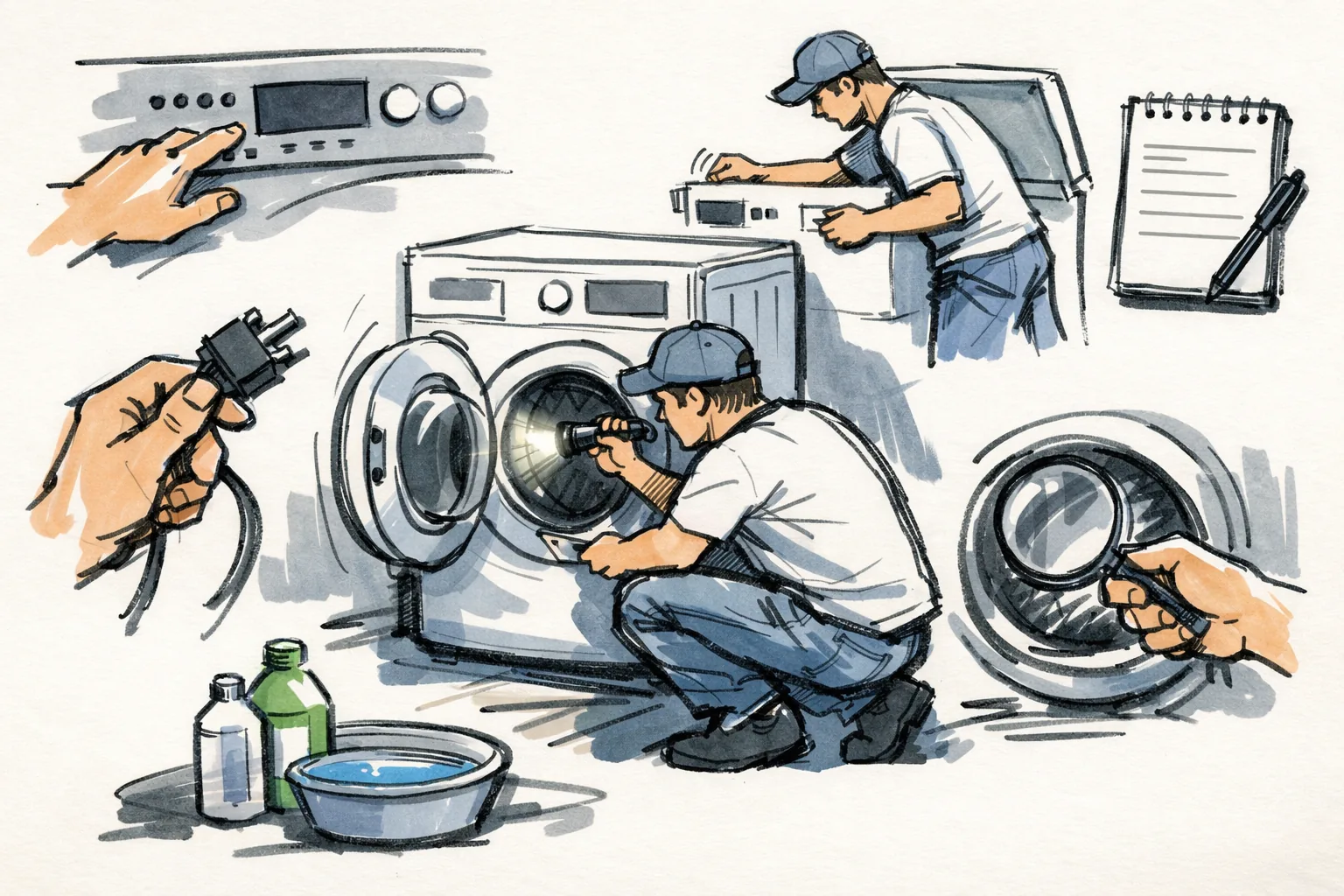
How to Inspect a Used Washing Machine Before Buying on a Classifieds Marketplace
A used washer can be a smart buy, but only if you inspect it with a plan. One bad seal or a hidden leak can turn a bargain into a basement problem fast. The process is simple enough, and strict enough, for buying a used washer safely.
Start with the basics: type, size, and fit. A top-load washer needs different clearance than a front-load washer, and a compact model is not the same as a full-size machine. Measure the space before you message anyone. You will save time.
For a front-load washer, check the door swing and the depth of the alcove. For a top-load washer, check the height under shelves or cabinets. A machine that fits the laundry room but not the doorway is still a bad deal. Strange, but common.
1. Confirm the washer type, size, and fit for the buyer’s space
Read the listing for the exact type first. Top-load and front-load washers wear differently, and the buyer’s space may favor one over the other. A family in a tight apartment may need a compact unit; a house with a utility room may accept full-size.
Then look for the installation details. Does the home need a 120V outlet, standard drain hose access, and a nearby water supply? Is there a stackable configuration, or does the seller mention pedestal use? If the listing never says, ask. One missing detail can block the move-in day.
Bring a tape measure, or at least the room dimensions. The path matters too: hallway, stair turn, door width, and the final laundry nook. A washer that cannot pass the basement stairs is not a washer you can use. Simple math beats guesswork.
2. Review the listing for red flags and missing basics
The listing should tell you more than “works great.” That phrase can hide a lot. Look for model number, approximate age, condition notes, and clear photos of the front, sides, top, and back. If all you see is one blurry image, keep scrolling.
Watch for vague wording like “needs a little TLC” or “has been sitting a while.” Sitting a while may mean stale hoses, rusted fittings, or a drum that has not moved in months. A seller who avoids specifics may be hiding the real problem. Ask direct questions.
Missing basics matter. If there is no model number, no serial label, and no mention of included hoses, you do not have enough to compare the washer with replacement parts or installation needs. That is a real barrier, not a minor inconvenience.
One useful habit is to pair the listing with a used appliance checklist before you reply. That keeps the conversation short and focused. It also helps with how to inspect a used washing machine before buying on a classifieds marketplace, because you can spot gaps before you invest time in a meeting.
3. Use a used appliance checklist before messaging the seller
A used appliance checklist should include the washer’s age, model, size, and type. Add the power needs, water hookup style, drain setup, and whether the machine needs a 3-prong or 4-prong cord. If you forget those details now, you may discover them in a parking lot later. Not ideal.
Ask whether the seller has the original hoses, drain hose, and transit bolts, if applicable. Ask if the washer has been stored indoors or in a garage. Storage location matters because cold, damp, or dusty conditions can leave rust, mildew, or brittle plastic behind.
Transport constraints belong on the checklist too. A washer is heavy, awkward, and hard to balance. You need to know whether it must stay upright and whether the seller can help load it. If the answer is “no help,” bring a second person.
Keep one line for repairs. Has the washer ever needed a pump, belt, control board, seal, or suspension work? If the seller does not know, that is information too. You do not need every answer, but you do need enough to decide whether the trip is worth it.
A good checklist makes the message short: model, age, hookups, hoses, drainage, and loading help. That is enough to separate a real listing from a vague one. It also keeps you from asking five separate follow-up questions after you already committed.
4. Ask for targeted close-up photos and a short video
Ask for close-ups of the lid or door first. The hinge area shows wear, and the latch area shows whether the machine closes correctly. For front-load washers, request the door boot; cracked rubber or dark spots can mean mold, leaks, or tears. You want the details, not a glamour shot.
Request the detergent drawer, drum interior, control panel, and back panel. Each area gives a different clue. The drawer can show residue. The drum can show rust or scoring. The control panel can reveal faded labels or missing buttons. The back panel may show old water streaks.
Ask for a photo of the model and serial labels. A seller who refuses may simply be lazy, but you should act as though something is being hidden until proven otherwise. Those labels help confirm the exact washer, and they help later if you need parts or a manual.
A short video helps more than a dozen words. Ask for the washer to power on, select a cycle, and run for a minute. You do not need a polished clip. A shaky phone video from the laundry room can still show lights, sounds, and basic function.
One sentence in the message should be exact: “Please show the door boot, drum, control panel, model label, and a short power-on video.” That is clear, and it is hard to misunderstand. Clarity saves both sides time.
5. Inspect the washer in person for leaks, rust, mold, and wear
At the meetup, start outside the machine. Look for dents, bending, missing screws, and signs that the cabinet was forced open. Check the floor under the washer, too. Water stains or mineral crust around the base can point to a slow leak. Old leaks leave evidence.
Open the lid or door and inspect the seal area. On a front-load washer, the door boot should be flexible, clean enough, and intact. Tears, black mildew, or hard cracking are warning signs. On a top-load washer, inspect the lid hinge and rim for rust or chips.
Look inside the drum with your hand and eyes. The drum should feel smooth, not rough or scratched. Spinning it by hand should not produce grinding or scraping. If you hear a sound like sand in a can, stop and ask more questions.
Check the detergent drawer, dispensers, and gasket corners. Mold often hides there. So does soap buildup. A little residue is normal on a working used washer; thick slime or heavy black patches are not. Use your nose as well. Sour smells usually mean stagnant water or neglected cleaning.
Inspect the hoses and back panel if the seller allows access. Cracked hoses, bulges, rust around fittings, or wet patches near the connections are obvious warning signs. The machine may still run, but a washer with weak plumbing can flood a room in one cycle. That is the consequence.
Pay attention to wear that suggests rough use. Loose knobs, wobbly feet, a bent top, or missing caps can mean the washer was moved badly or repaired badly. A machine that looks abused may have internal damage you cannot see. The outside tells a story.
6. Test operation safely before paying
Do not pay before a basic test. Plug the washer in, and if possible, run a short cycle. Watch the display, listen for startup noise, and confirm that the selector responds. If the machine does not power on cleanly, walk away. One dead control board can erase the savings.
Test the spin cycle. A washer should spin with control, not leap across the floor. Excessive shaking may mean worn suspension, bad leveling, or a drum problem. A strong spin is good; violent movement is not. Keep your hands clear while it runs.
Check draining behavior. The washer should move water out without long hesitation, gurgling, or backup at the hose. If the seller can connect water safely, confirm that water enters and exits normally. A partial test is still better than no test. It catches the big failures.
Listen for knocking, grinding, squealing, or repeated clicking. These sounds often point to a failing bearing, foreign object, belt issue, or pump problem. One odd click is a clue; repeated metal-on-metal noise is a warning. Do not rationalize it away.
Watch for error codes. Photograph the code if one appears, then ask the seller what happened during previous use. Sometimes a code is minor. Sometimes it means a repair bill. You do not need to diagnose the board yourself, but you do need to notice the code before the money changes hands.
Never stand directly over the washer while the lid is open and the cycle is active. Keep your fingers away from moving parts. Safety first. The bargain is not worth a pinched hand.
7. Buy a used washer safely and plan the handoff
Meet in a place that works for loading and leaving quickly. If the washer is at a home, bring help and a dolly. If the seller suggests shipping instead of pickup, read the risks first; there is a separate guide on वर्गीकृत विज्ञापनों पर बेचते समय शिपिंग that explains why shipping arrangements deserve caution. The wrong handoff creates extra trouble.
Use a payment method that leaves a record, and confirm the exact amount before you arrive. Count the cash if cash is the plan. If you pay electronically, do it in front of the seller, and confirm the transfer on both phones before loading begins. No assumptions.
Ask for a simple receipt with date, model number, and “sold as seen” or similar wording. Even one line of text can help if there is a dispute later. If the seller refuses a receipt, decide whether that risk is acceptable before you lift the machine.
Before the seller leaves, confirm three things: the washer matches the listing, all agreed accessories are included, and the machine is ready for transport. Double-check hoses, cords, and any transit pieces. I would also photograph the washer in the seller’s driveway or doorway. That picture can matter later.
Load the washer upright if the maker says so, and secure it so it cannot tip during the drive. Use blankets or straps if you have them. One loose turn can crack a panel or damage the drum. The handoff is not done until the washer is tied down and the seller is gone.
If you are buying a used washer safely, keep the process boring. Verify the listing, inspect the cabinet, test the cycle, and leave with proof of purchase. The best purchase is the one that does not surprise you on laundry day.