How to Choose Between Escrow and Instant Digital Delivery
Learn how to choose between escrow and instant digital delivery by comparing speed, risk, buyer confidence, product type, and fees.
On this page
- What Escrow and Instant Digital Delivery Mean
- Compare Speed, Risk, and Buyer Confidence
- Check the Type of Digital Product You Are Selling
- Evaluate Payment Protection and Dispute Handling
- Consider Platform Features, Fees, and Setup Complexity
- Match the Choice to Your Audience and Sales Funnel
- Use a Simple Decision Checklist
- Final Recommendation: When to Use Each Option
What Escrow and Instant Digital Delivery Mean
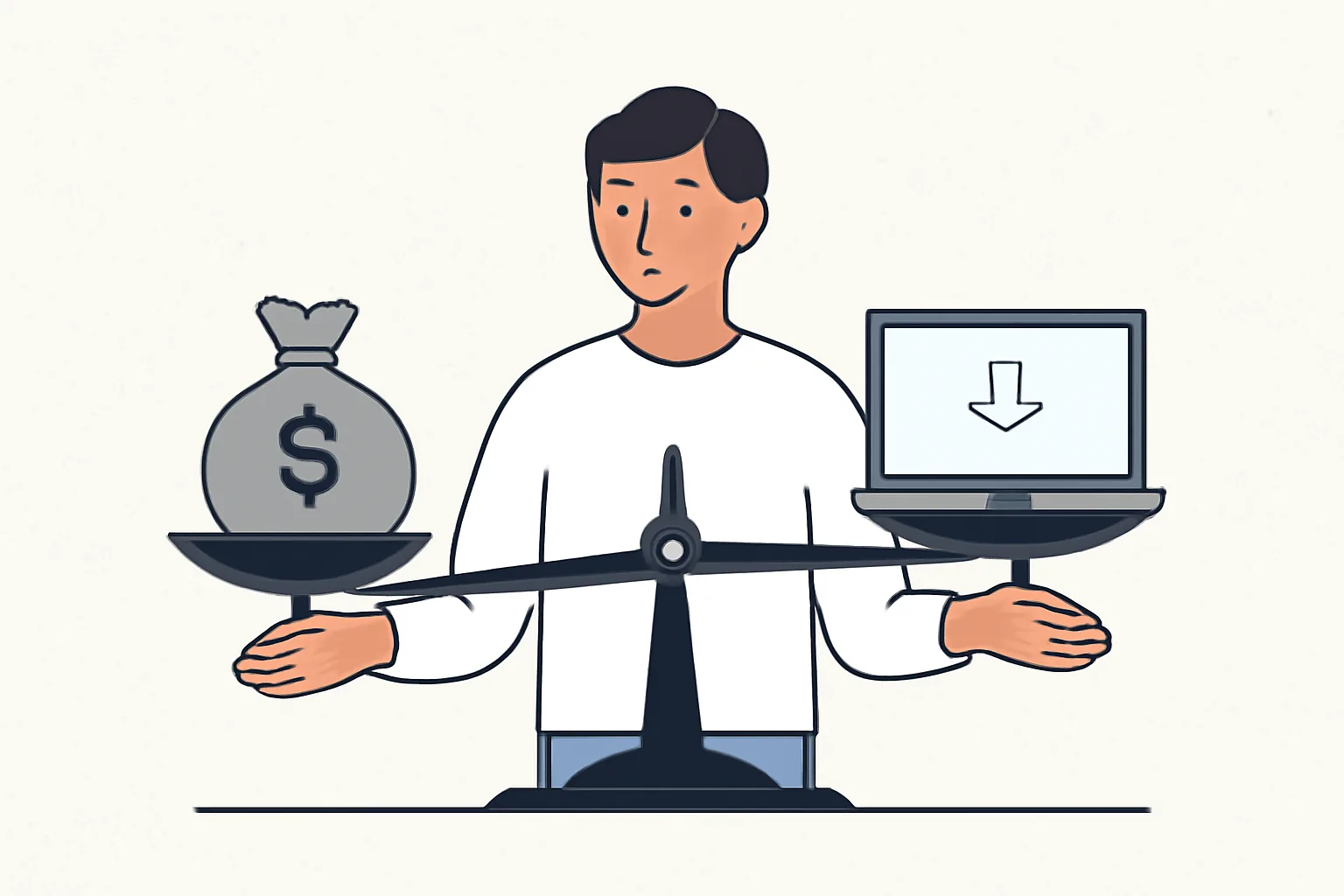
Escrow and instant digital delivery solve the same basic problem: a buyer wants a digital product, and the seller wants to be paid without chaos. The difference is the handoff. In escrow, payment is held until a release step is met. In instant digital delivery, the file, code, or access lands immediately after payment clears.
Think of escrow as a controlled handoff with 3 parties in mind: buyer, seller, and platform. The seller uploads the product or proves delivery. The buyer confirms receipt, or a time-based rule triggers release. If you need a starting point on workflow basics, see how admister works.
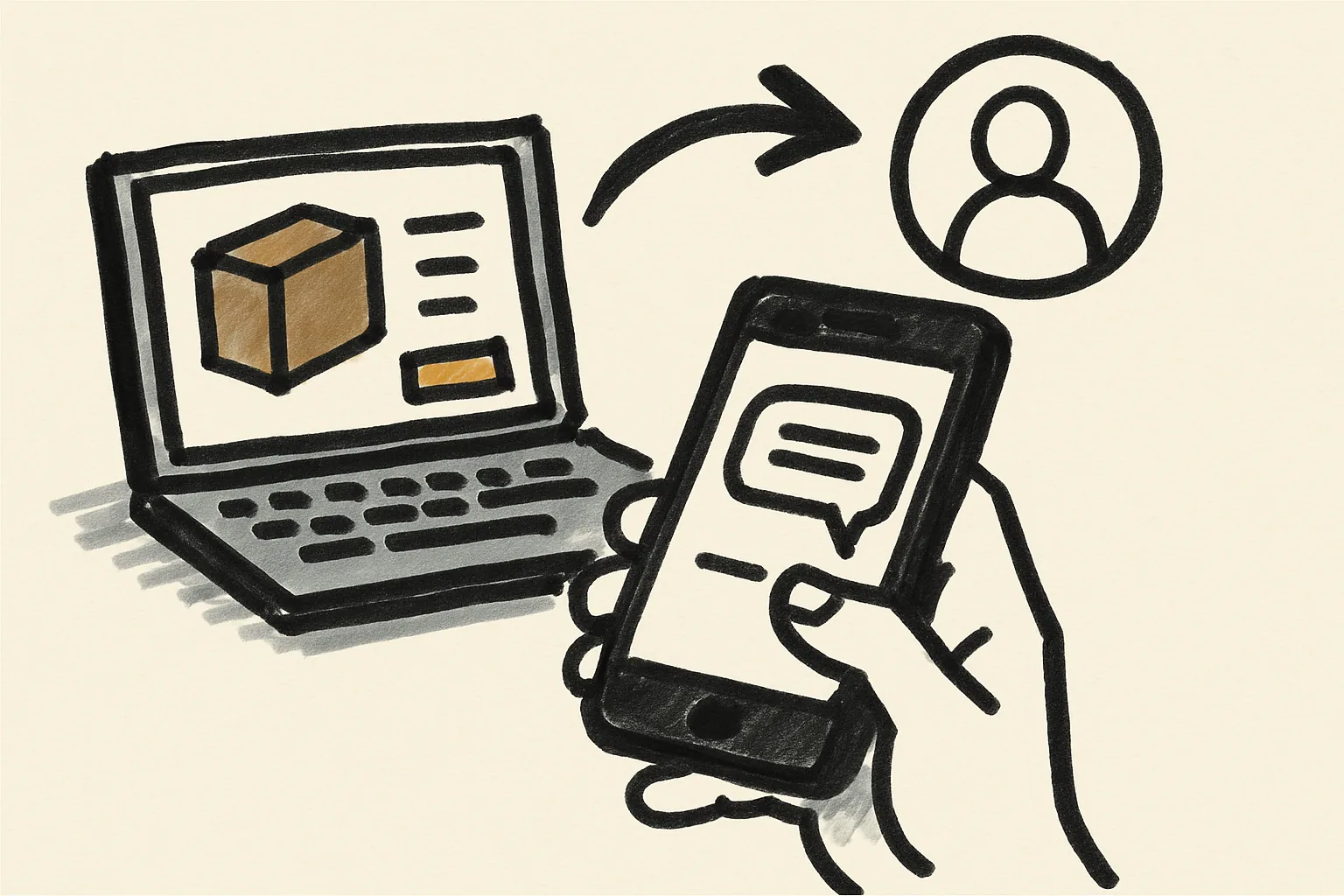
Instant digital delivery is simpler on paper. The buyer pays. The system sends a download link, license key, login, or access token. No waiting room. No release button. Fast, done, gone.
That simplicity has trade-offs. If the product is wrong, incomplete, or never arrives, the buyer has less room to pause the transaction before it becomes a dispute. Escrow inserts that pause. Not always needed, but sometimes very useful.
Compare Speed, Risk, and Buyer Confidence
Speed is the obvious difference. Instant digital delivery can complete in seconds, which matters for impulse purchases and repeat buyers who already trust the seller. A customer buying a template at 11 p.m. does not want a manual review window.
Escrow is slower by design. That extra step can reduce trust concerns, especially for a first-time buyer who has never seen the seller name before. The buyer sees that money is not handed over instantly, and that can calm nerves.
Speed is not the only number here. Risk changes too. If a buyer pays for instant digital delivery and the file is corrupted, the seller must solve the problem after the fact. Escrow gives the buyer a little breathing room before release, which can lower the chance of a panic refund request.
Buyer confidence often follows the checkout experience. Instant delivery feels efficient. Escrow feels careful. Neither is automatically better. The right choice depends on whether your sale needs momentum or reassurance, and in many cases those are not the same thing.
Check the Type of Digital Product You Are Selling
Different products behave differently. A PDF download, a stock image pack, or a simple plugin license usually fits instant digital delivery because the item is standardized and easy to verify. The buyer either receives the file or they do not.
Custom work is different. A logo file, a video edit, or a tailored spreadsheet may need review before release. Escrow suits that kind of product because there is a clear acceptance moment. One round of feedback. One final version. Then release.
Access-based products sit in the middle. Memberships, software logins, or private communities can work with instant digital delivery if account creation is automated and the buyer receives access details immediately. If access depends on manual approval, escrow can reduce mistakes.
Services deserve a careful look. A one-hour consulting call does not have a file to download, so the fulfillment model is really about proof and timing. If you are selling services on Admister, the service page and your own rules should say exactly what counts as delivery, because ambiguity invites disputes.
For high-risk items, the question is simple: can the buyer verify the product in 10 minutes or less? If yes, instant digital delivery may work. If no, escrow usually gives better structure.
Evaluate Payment Protection and Dispute Handling
Payment protection changes the tone of a transaction. Escrow can help when the buyer worries about sending money first, because the funds are not immediately released to the seller. That makes the arrangement feel less like blind trust and more like a controlled exchange.
Chargebacks are not magic, though. Neither model removes them. A cardholder can still challenge a charge if the bank rules allow it. What changes is the evidence trail. Escrow often creates a clearer record: funded order, delivery step, acceptance, release.
Instant digital delivery can also produce good records if the system logs the timestamp, the file name, the IP trail, or the access event. Those details matter when a buyer says, “I never got it,” and the platform can answer with a time-stamped delivery report.
Refund requests usually look different in each model. In escrow, a seller may be able to pause release while the buyer explains a problem. In instant digital delivery, the product is already out the door, so the seller has to rely on support, replacements, or a refund policy that was written before the sale.
Dispute resolution is easier when the fulfillment steps are predictable. A buyer who knows they need to confirm receipt before release behaves differently from one who assumes access is permanent the second payment goes through. That single expectation can change a lot.
Consider Platform Features, Fees, and Setup Complexity
Platform features matter because a model that looks simple may be expensive to run at scale. Escrow can require release conditions, status tracking, reminders, and sometimes manual review. Instant digital delivery needs automation, but usually less human intervention once it is configured.
Setup complexity is not equal. A basic instant delivery flow might need only a file upload and a trigger. Escrow may need product rules, acceptance windows, support handling, and fallback logic if the buyer disappears for 7 days. That is manageable, but it is still more moving parts.
Fees also matter, though exact costs depend on the platform and payment method. A seller with thin margins may prefer instant digital delivery if the automation cost is lower. A seller with expensive custom work may accept the extra steps in escrow because one bad dispute costs far more than a few minutes of setup.
If you want a fuller picture of platform options, the the 7 admister services page can help you map what is supported before you commit to a workflow. That saves time. It also prevents a second round of configuration later, which nobody enjoys.
Automation is the real divider. Instant digital delivery usually shines when a sale can be completed without a human. Escrow is stronger when someone must confirm a milestone, inspect a draft, or approve a final asset before funds are released.
Match the Choice to Your Audience and Sales Funnel
Audience expectations shape the right answer. First-time buyers often want evidence that the seller is real, especially for a higher-value product. Escrow can provide that comfort because the money is held until something specific happens.
Repeat customers behave differently. If someone has bought from you 5 times and each order was delivered cleanly, instant digital delivery can feel natural and even preferred. They know the file arrives, and they do not want extra steps.
The funnel matters too. Top-of-funnel buyers are uncertain. Middle-funnel buyers are comparing. Bottom-funnel buyers are ready. Escrow fits the uncertain stage better, while instant digital delivery fits the ready-to-buy stage better. That is why the same product may need different fulfillment rules for different audiences.
There is also a branding effect. A premium seller of custom digital assets may use escrow to signal care. A seller of low-friction downloads may use instant delivery to signal convenience. The wrong signal can slow conversions. The right one can reduce hesitation by a small but visible margin.
If your audience skews cautious, answer their questions before checkout. Point them to staying safe as a buyer and make the release rule plain. A buyer who understands the process is less likely to abandon the order at the last moment.
Use a Simple Decision Checklist
Start with product type. Ask whether the item is a standard download, a license, a custom file, or access to a service. If it is a standard download, instant digital delivery is usually the first option to test. If it is custom work, escrow is usually the safer opening move.
Next, check trust level. A new buyer with no history may prefer escrow. A returning buyer with 3 previous purchases may expect speed. Do not guess. Look at your order history and your support inbox. The pattern is often obvious once you write it down.
Then check transaction value. A higher-value sale can justify more protection, more review, and more release conditions. A small item may not need that overhead. Set your own threshold and keep it consistent.
After that, check your operational capacity. Can you answer release questions within 24 hours? Can you handle manual approval without delays? If not, instant digital delivery may be the only practical choice until your support workflow is stronger.
Use this 5-step path:
- Identify the product type.
- Estimate buyer trust.
- Note the sale value.
- Check your support capacity.
- Choose the simplest model that still protects the buyer and the seller.
If you still feel stuck, remember the phrase how to choose between escrow and instant digital delivery is really a decision about friction. Less friction helps when the product is easy to verify. More structure helps when the product needs inspection. That is the split.
Final Recommendation: When to Use Each Option
Use escrow by default for custom digital products, milestone-based services, and first-time sales where the buyer needs proof before release. It works well when the seller cannot point to a single instant delivery event and when the buyer would reasonably ask for a holding step.
Use instant digital delivery for standardized files, licenses, and repeat purchases where the product can be delivered automatically and confirmed quickly. It is a strong fit when your support team can handle exceptions without turning every order into a manual task.
A hybrid approach makes sense when your catalog includes both. A seller might use escrow for custom design work and instant digital delivery for templates or stock downloads. One shop. Two models. Fewer compromises.
That hybrid setup is often the practical answer for sellers who want speed without giving up structure, especially if the same customer may buy a small download one day and a custom asset the next. If you need help with the platform side, the frequently asked questions and admister pages are the fastest places to check before you change your release rules.
Choose the model that fits the product, the buyer, and the amount of proof you can actually provide. A good fulfillment choice does not sound clever. It just keeps the sale from becoming a support ticket.