What to Do When a Buyer Collects a Used Item but Refuses to Pay
Learn what happens if a buyer collects a used item but refuses to pay, how to check for a delayed transfer, document the handover, and pursue next steps.
On this page
- What Happens If a Buyer Collects a Used Item but Refuses to Pay?
- Compare the situation with nonpayment before collection
- Establish what happened at handover
- Separate payment disputes from mistaken or delayed transfers
- Choose a proportionate first response
- Compare practical escalation routes
- Weigh the evidence against the likely cost of pursuing the dispute
- Verdict: protect the next sale without overstating the outcome
What Happens If a Buyer Collects a Used Item but Refuses to Pay?
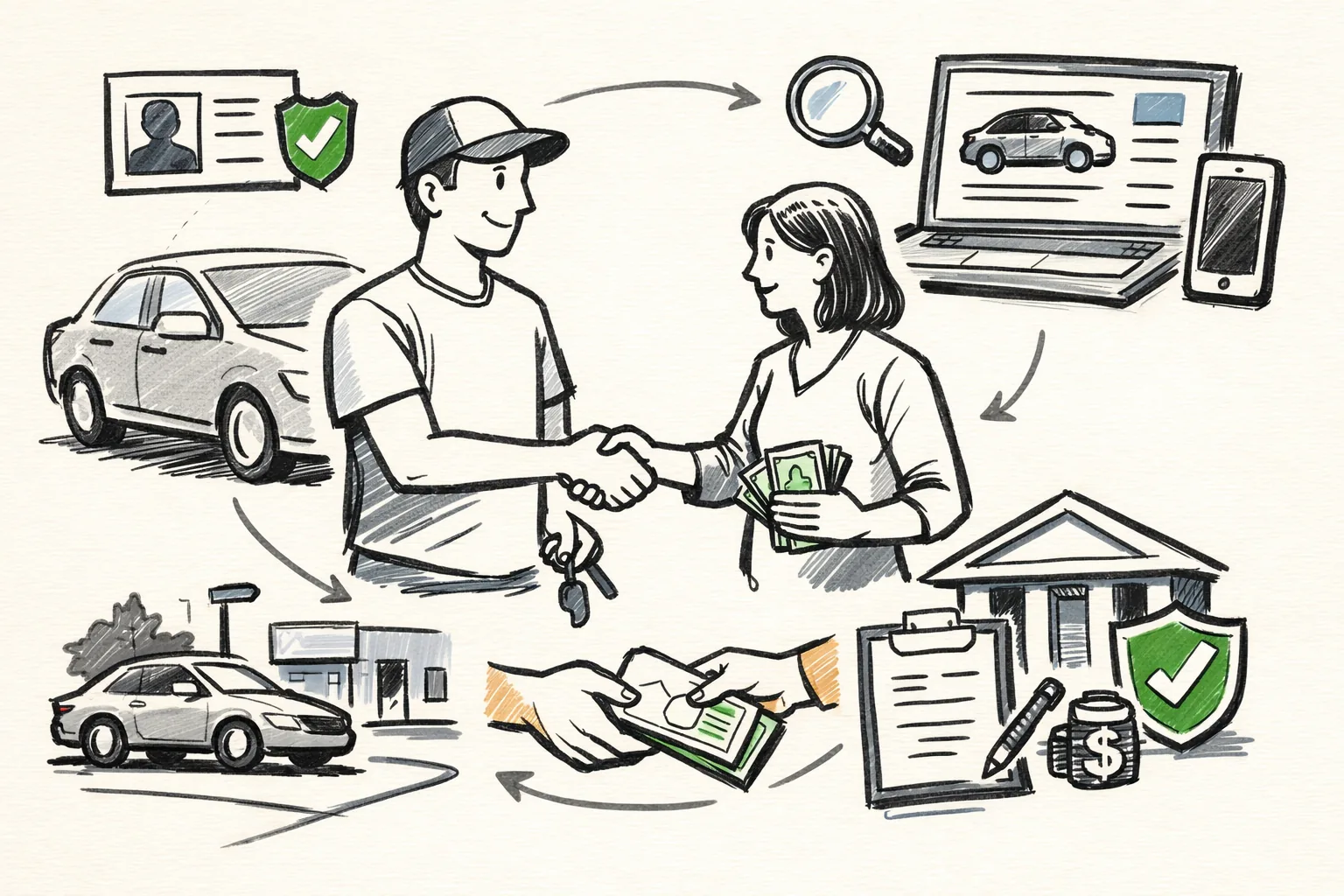
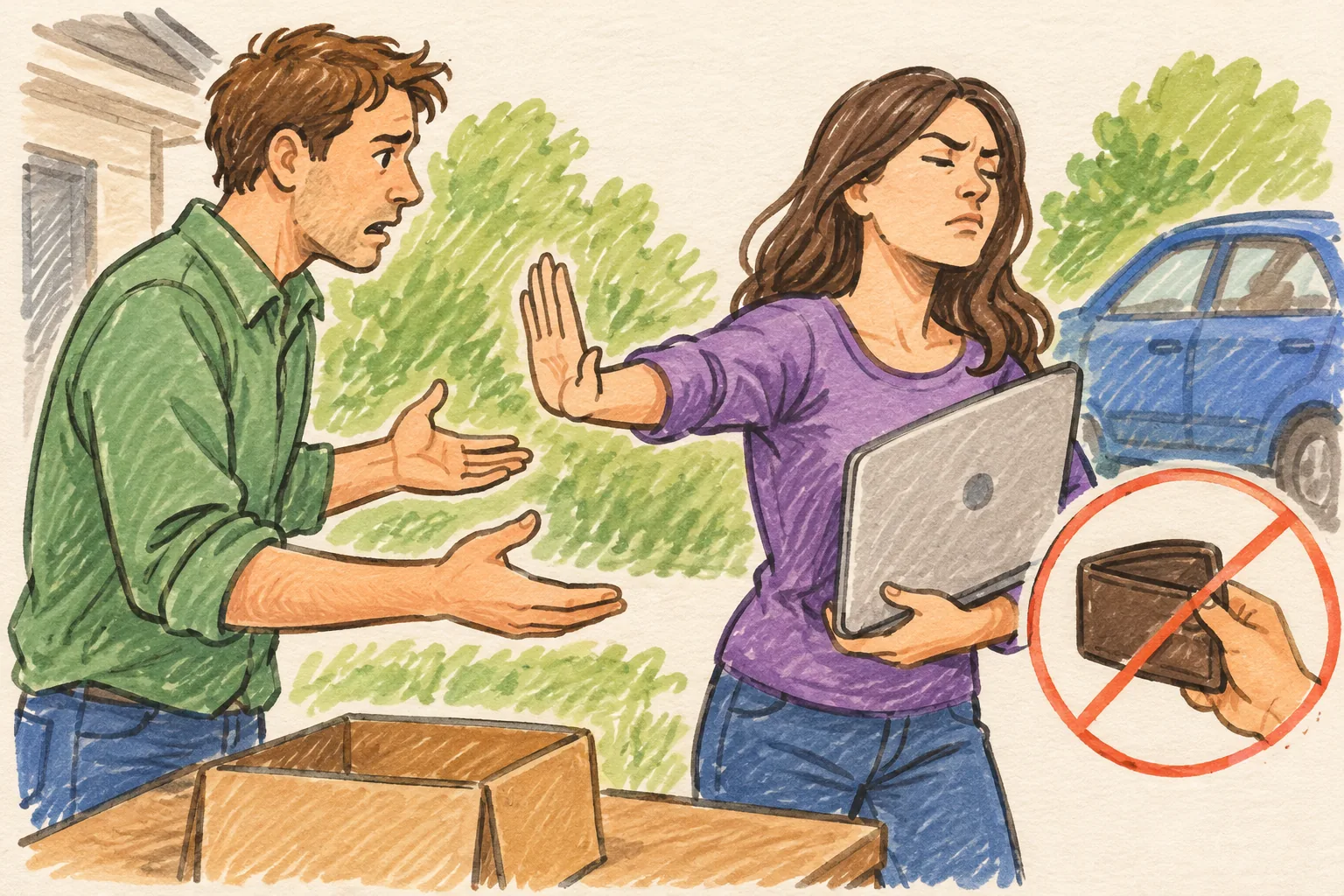
A buyer who leaves with a used item without paying creates a different problem from someone who misses an appointment. The first situation involves property already handed over; the second usually means the sale has not been completed. What you can do next depends on what was agreed, what happened at collection, and what evidence you kept.
Stay factual at first. A missing transfer may be delayed or misdirected, while a clear refusal calls for a firmer response. Neither outcome guarantees that you will recover the money, so keep records and choose a next step that fits the amount at stake.
Compare the situation with nonpayment before collection
If a buyer has not arrived, or has gone quiet before collecting, you still have the item. You can usually pause the arrangement, set a new deadline, or offer it to someone else, subject to any agreement you made. Do not describe that as the same problem as a buyer taking the item and leaving without payment.
Once the buyer has collected the item, the practical position changes. You may need to ask for payment, show what was agreed, and decide whether further action is worth the time. If you are asking yourself what happens if a buyer collects a used item but refuses to pay, start by writing down the sequence of events rather than guessing at the buyer’s motive.
A missed pickup can still waste an evening. But it does not, by itself, mean that the buyer owes you the purchase price. Keep the two situations separate in your messages and in any report you make.
Establish what happened at handover
Write a brief timeline while the details are fresh: when the buyer arrived, what item they collected, what price you agreed, and what was said about payment. Save the listing and the full conversation, including any messages that confirm the price or say payment would be made after collection. Avoid editing screenshots or deleting messages.
Look for the specific evidence that fits your situation. A message such as “I’ll transfer the agreed amount when I get home” may support your account, but it does not prove whether a transfer was attempted. A witness who was present can help confirm what was said; ask them to note the time and what they personally observed.
Check whether the handover itself was conditional on payment. If you agreed that the item could leave before the transfer arrived, that detail matters. If the buyer said they had paid, record what they showed you, but do not treat a screenshot or payment notification as proof until you have checked your own account.
Separate payment disputes from mistaken or delayed transfers
Before calling it a refusal, check the account or payment app you were meant to use. Look for a completed transaction, a pending transfer, a failed payment, or a payment sent to a different recipient. Confirm the recipient details with the buyer using the original conversation, rather than relying on a new message containing unfamiliar account information.
Ask the buyer for the transaction reference or a receipt, then compare it with your own records. A receipt can help you investigate, but the money should appear in the account you control before you consider the payment complete. If the provider lists the transfer as pending, ask the provider what that status means and how long it may take.
Do not click a link sent by the buyer to “release” a payment or enter bank details on an unfamiliar page. If the payment provider has a support channel, use the contact details in its official app or website. For broader precautions on classified listings, see shipping precautions when selling through classifieds.
Choose a proportionate first response
Send one concise written request before making accusations. Include the item, agreed amount, collection date, and a clear deadline for payment. For example: “You collected the [item] on [date] for [agreed amount]. I have not received the payment. Please send it to the agreed account by [date and time], or reply with the transfer reference if you believe it has already been sent.”
Use the amount and date you actually agreed. Do not add a late fee unless it was part of the agreement. A specific deadline gives the buyer a practical way to resolve the issue and leaves a clear record of your request.
An immediate accusation can make a simple transfer mistake harder to fix. Keep the first message neutral, and save a copy of it. If the buyer replies with a different account of the agreement, do not argue in a long thread; ask them to identify the particular message or evidence they rely on.
Compare practical escalation routes
If the deadline passes, choose a next step based on the records and the amount owed. You might send one final written request, report the transaction through the marketplace if it offers a relevant reporting channel, seek local mediation, or consider a formal claim.
Keep any marketplace report factual: identify the listing, the collection date, the agreed payment method, and the messages showing the outstanding amount. A platform may be able to review an account or preserve a record, but it may not be able to recover money or decide a private payment dispute. Check the platform’s current terms before expecting a particular remedy.
A formal claim may be an option, but procedures, filing fees, time limits, and legal thresholds differ by jurisdiction. Use official court or consumer-advice information for your area, and consider local legal advice if the amount or circumstances justify it. Do not threaten criminal action as a bargaining tactic; whether conduct falls under a specific law depends on the facts and local rules.
Weigh the evidence against the likely cost of pursuing the dispute
Before spending more time, compare four things: the clarity of the agreement, the proof that the buyer collected the item, the amount owed, and the likely cost of the next step. A written message confirming the price and a witness to the handover may make your account easier to support than a verbal agreement with no record.
Also consider the time involved. A formal process can require forms, evidence, attendance, and fees, and a successful outcome does not always mean immediate payment. Check the current rules and fees before filing, rather than relying on a general figure from another country or an old forum post.
If the buyer disputes the price or says the item was not as described, preserve the original listing and any photos from before collection. A genuine disagreement about condition may need a different response from a buyer who simply has not paid. Keep each issue documented, and avoid changing or deleting the listing while the dispute is active.
Verdict: protect the next sale without overstating the outcome
A calm, documented payment demand is a sensible next step when a buyer has taken the item and the money has not arrived. Recovery is not guaranteed, and the right escalation depends on your evidence, the amount owed, and the rules where you live. Keep your messages, listing, and payment records together so you can explain the timeline without relying on memory.
For future handovers, put the price and payment method in writing before collection. Check that the funds have cleared in your own account before releasing the item, rather than relying on a screenshot or a promise to pay later. A short written confirmation at the door can prevent a second dispute.