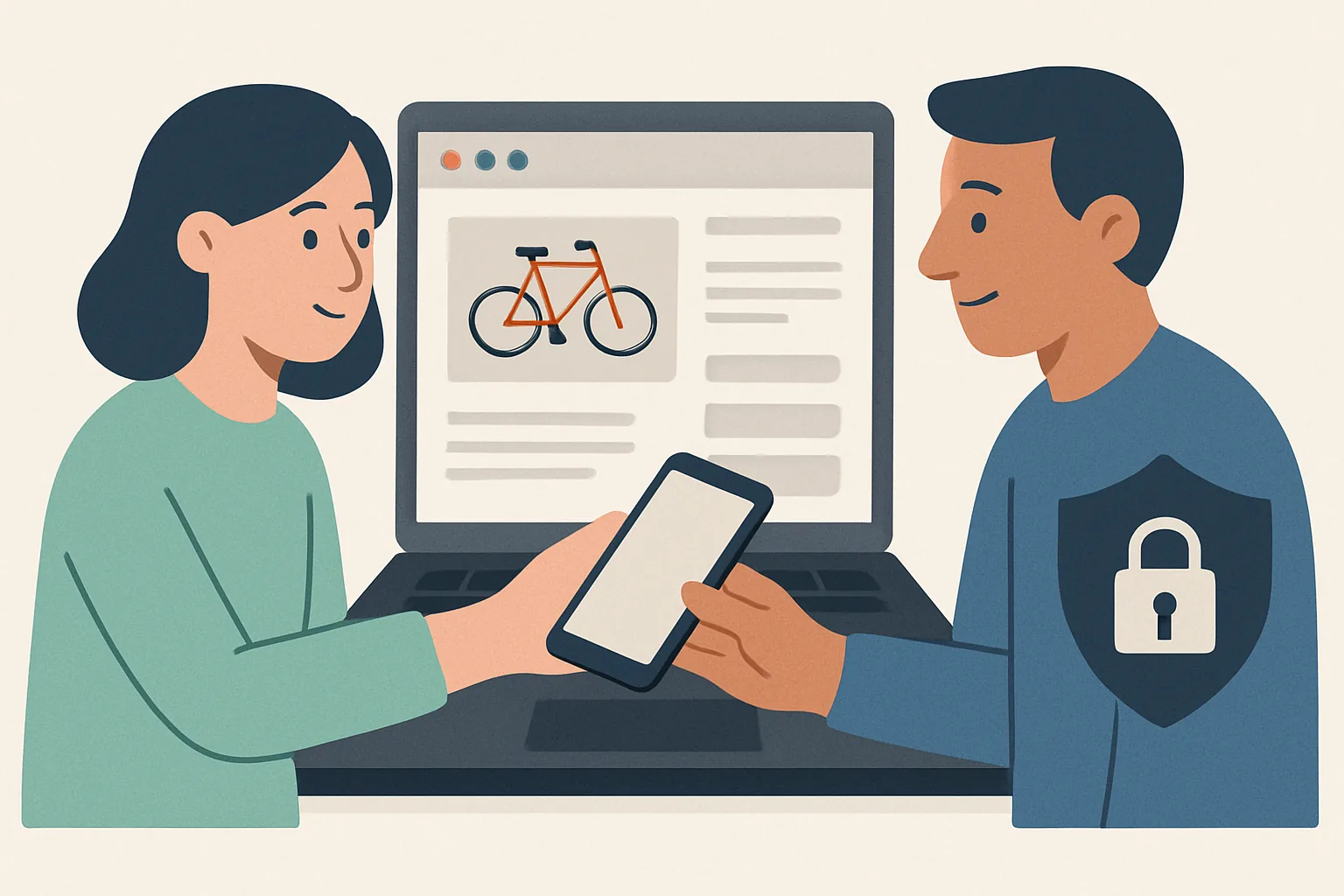
How to Buy Safely on a Local Classifieds Site
Local classifieds can be a smart way to find furniture, electronics, tools, bikes, and all the other things people no longer need but someone else can use. The prices can be better than retail, the selection can be surprisingly good, and if you live in a busy area, there is usually something new every day. But convenience has a downside. Local marketplaces also attract fake listings, careless sellers, and people who are trying to move stolen or misrepresented goods.
If you want to buy safely on a local classifieds site, the goal is not to become paranoid. It is to slow down just enough to notice the signs that matter. Good deals still exist. Good sellers still exist. The trick is learning how to tell the difference before you send money or head across town.
1. Understand the Risks Before You Shop
The most common danger on local classifieds is simple: the listing is not real, or not as described. A seller may copy photos from another ad, claim the item is “like new” when it is damaged, or post something that does not belong to them at all. In some cases, the item may be stolen, and that can create problems far beyond losing your money.
Another common risk is the off-platform payment trap. A seller may push you to pay by bank transfer, gift card, wire service, or some other method that offers little or no buyer protection. Once the money is gone, the seller may disappear, block you, or keep inventing reasons why the item is “not ready yet.”
Pressure tactics are also common. You may hear that there are “many buyers interested,” that you need to act immediately, or that the deal will be given to someone else unless you send a deposit right away. That urgency is often deliberate. It is meant to reduce your time for checking facts.
There is also the simple matter of meeting a stranger. Most local classifieds transactions are harmless, but a public meeting still deserves basic caution. You are bringing money, valuables, and perhaps a phone or laptop to a place chosen by someone you do not know well. That means planning matters.
The right mindset is straightforward: if a deal seems rushed, vague, or oddly complicated, step back. You are not losing a bargain by asking questions. You are protecting yourself from a bad purchase.
2. Set Up Your Buyer Safety Checklist
Before you reply to any listing, use a quick checklist. It does not have to be formal, but it should be consistent. A few minutes of checking can save hours of frustration later.
Start with the profile
Look at the seller’s profile, if the site provides one. A profile with almost no history, a very recent join date, or several unrelated listings posted in a short period can be a warning sign. None of those things prove fraud on their own, but they should make you slower, not faster.
If the platform allows reviews or ratings, read them carefully. One perfect score means little. A pattern of vague complaints, missed meetings, or changed terms matters more.
Review the listing itself
Read the description line by line. Does it include the brand, model, size, condition, age, and any flaws? A good listing usually gives enough detail for a real buyer to evaluate the item. A weak one may be all adjectives and no facts.
Check whether the photos look original. Overly polished images, multiple backgrounds, or photos that seem taken from a catalog can be a sign that the seller does not actually have the item. When in doubt, compare the image with other online listings for the same product.
Ask the right questions
Ask specific questions that force the seller to demonstrate real ownership and knowledge. For example:
- How long have you owned it?
- Why are you selling it?
- Are there any defects, repairs, or missing parts?
- Does everything work as expected?
- Can you send a recent photo of the item with today’s date written on paper next to it?
You are not trying to interrogate someone for sport. You are checking whether the answers are consistent and believable. A genuine seller usually answers in a direct, practical way. A scammer often dodges, repeats the same line, or gets impatient.
Know when to walk away
The best buyers are the ones who know when a deal no longer feels worth it. If the seller will not answer basic questions, changes the price suddenly, asks for money before any inspection, or refuses to meet somewhere sensible, walk away. There will always be another listing.
3. Spot Common Scams and Red Flags
Scam prevention starts with pattern recognition. One odd message may be nothing. Several odd behaviors together are another matter.
Suspicious messages often sound rushed and generic. A seller may reply with a one-line message, ignore the details you asked for, or claim the item is available only if you act immediately. Some scammers also copy a friendly tone to lower your guard, then steer the conversation toward payment before you have enough information.
Too-good-to-be-true pricing is another classic warning. If the item is priced far below similar listings, ask why. Sometimes a low price is real, especially if the seller wants a quick local sale. But if the item is in high demand and the price is unusually low, there may be a catch.
Watch for vague meeting instructions. “Meet me near the station” is reasonable. “I’ll message you when I’m nearby” is less useful if it never becomes specific. If the seller will not name a public place or keeps changing the location, that is a problem.
Be careful with payment requests that skip normal safeguards. Requests for gift cards or wire transfers are especially concerning, because they are difficult to reverse and easy for scammers to exploit. If someone insists on a payment method that offers no practical recourse, assume the risk is high.
Other red flags include:
- Pressure to send a deposit before viewing the item
- Claims that many other buyers are waiting, combined with urgency
- Refusal to provide additional photos or a live video check
- Stories that do not match the listing details
- Requests to continue the conversation outside the platform too early
- Seller language that avoids direct answers about condition or ownership
One useful rule: if the seller seems more interested in the payment than the item, be suspicious.
4. Use Safe Communication and Verification Methods
Whenever possible, keep communication inside the platform. That gives you a record of what was said, which can help if the seller changes the story later or if you need to report suspicious activity. It also discourages some bad actors, who prefer moving to private messaging quickly where they feel less accountable.
When you verify the seller, focus on consistency. Do the photos match the description? Do the answers match the photos? Does the seller explain the item in a way that sounds like someone who has used it, not just copied a template?
Ask for live proof of ownership or condition when the item is important or expensive. For example, if you are buying a laptop, ask for a live photo showing the device turned on and displaying a note with the date. For a bicycle, ask for a specific close-up of the frame number or a distinctive mark. For furniture, a live video showing all angles can help confirm it is actually on hand.
This does not need to become a courtroom. The point is to reduce uncertainty. A legitimate seller usually understands that buyers want reassurance, especially in a local classifieds setting where fraud does happen.
It also helps to document the deal before you meet. Save screenshots of the listing, the price, the item description, and the seller’s messages. If the item has a model number, color, or size, note it down. If the seller agrees to any special terms, keep that in writing. If a dispute comes up later, those records matter.
As a practical aside, it is wise to use a separate folder or conversation thread for each purchase. When you are juggling multiple listings, details can blur together faster than you expect.
5. Meet and Inspect the Item in Person
For most local classifieds purchases, an in-person meeting is the safest way to complete the deal. It lets you inspect the item, confirm the seller has it, and decide whether the condition matches the description.
Choose a public meeting place whenever possible. Busy locations with other people around are generally better than private homes or isolated parking lots. Some buyers prefer meeting near a police station or another well-trafficked area. The exact location matters less than the principle: it should be safe, visible, and easy to leave if needed.
Bring a friend if you can. Even if they stay in the car or nearby, another person adds a layer of safety and a second set of eyes. If you are buying something large, tell someone where you are going and when you expect to be back.
Inspect the item carefully before paying. Do not let the meeting become a rushed handoff. Test the features that matter. Turn on electronics. Open and close doors or drawers. Check for scratches, cracks, missing parts, or signs of repair. If the item requires accessories or cables, confirm that they are included. If the listing described an item as working perfectly, do not accept a version that clearly does not.
When relevant, check serial numbers, labels, or model markings against the listing. This is especially useful for electronics, cameras, tools, and bicycles. The goal is to make sure the item in front of you is the item you agreed to buy.
If something feels off, leave. That may sound blunt, but it is the right response. A seller who is honest will not mind reasonable inspection. A seller who becomes irritated when you look closely may be showing you exactly what you need to know.
6. Choose the Safest Payment Method
Payment should be the final step, not the first. In local classifieds, the safest approach is usually the simplest one: pay only after you have seen and accepted the item in person.
Cash is often used for face-to-face deals because it is immediate and straightforward. It has one clear advantage: once you hand it over, the transaction is done. But that also means you should be absolutely sure you want the item before paying. Count the money discreetly and avoid flashing large amounts in public.
Electronic payment options vary widely in safety. Some transfers are quick but hard to reverse. Others may offer dispute handling or buyer protection, but only under specific conditions. Before using any app or service, understand whether the payment can be reversed, whether it requires a confirmed delivery process, and what evidence you would need if the seller disappears.
For that reason, “safe” does not mean “convenient.” A payment method that is easy for a scammer to receive is often the wrong choice for a buyer.
What to know about escrow checkout
Some platforms offer escrow checkout, where the buyer’s money is held by the platform until the item is delivered or the buyer confirms receipt. In theory, this can reduce risk, especially for higher-value items or deals where the seller is not local enough for a face-to-face meeting.
Escrow can help when:
- The platform itself handles the payment flow
- The terms for release, refund, and dispute are clear
- The item can be tracked or confirmed according to the platform’s rules
- You understand the timeline for disputes and claims
But escrow is not magic. Before using it, confirm exactly who holds the money, when it is released, what counts as proof of delivery, and how refunds are handled if the item arrives damaged or not as described. Read the fine print. A buyer who assumes protection without checking the rules may be disappointed later.
As a general rule, avoid any payment method that the seller pushes because it is “faster,” “easier,” or “better for both of us” when it removes your ability to inspect the item or contest the transaction.
7. Complete the Purchase and Handle Problems
Once you have inspected the item and decided to buy, finish the handoff cleanly. Count the cash, verify the item one last time, and make sure any promised accessories or parts are included. If the transaction feels rushed at this last step, slow it down. A few extra seconds now can prevent an unpleasant surprise later.
Ask for a receipt or written confirmation when the item is valuable. This can be as simple as a short message in the chat: item name, price, date, and both parties agreeing the purchase is complete. For some goods, especially those with serial numbers or ownership concerns, this extra record is worth the trouble.
If the item differs from the listing, do not ignore it. If the discrepancy is minor and the seller is honest, you may be able to renegotiate. If the difference is substantial, leave the deal. For example, if an item was listed as fully functional but clearly does not work, that is not a small issue. It is a reason to stop.
If you suspect a scam, report the listing through the platform as soon as possible. Save all messages, screenshots, payment records, and listing details. If money was transferred through a service that offers dispute handling, contact them immediately and follow their process carefully. Time matters.
If you believe the item may be stolen or the situation feels unsafe, do not continue the exchange. Move away and, if necessary, contact local authorities. It is better to lose a deal than to become involved in something that could create legal or personal risk.
Afterward, if the transaction went badly, take a moment to review what happened. Did the seller rush you? Were there warning signs you ignored? Was the listing too thin on detail? Learning from one uneasy experience can make the next purchase much safer.
Buying through a local classifieds site can still be a practical, even pleasant experience. The good deals are real. The people behind them are real too, which is exactly why caution matters. Ask questions, verify details, meet in public, inspect carefully, and choose payment methods that do not leave you stranded. That is how you keep the convenience without taking on unnecessary risk.
