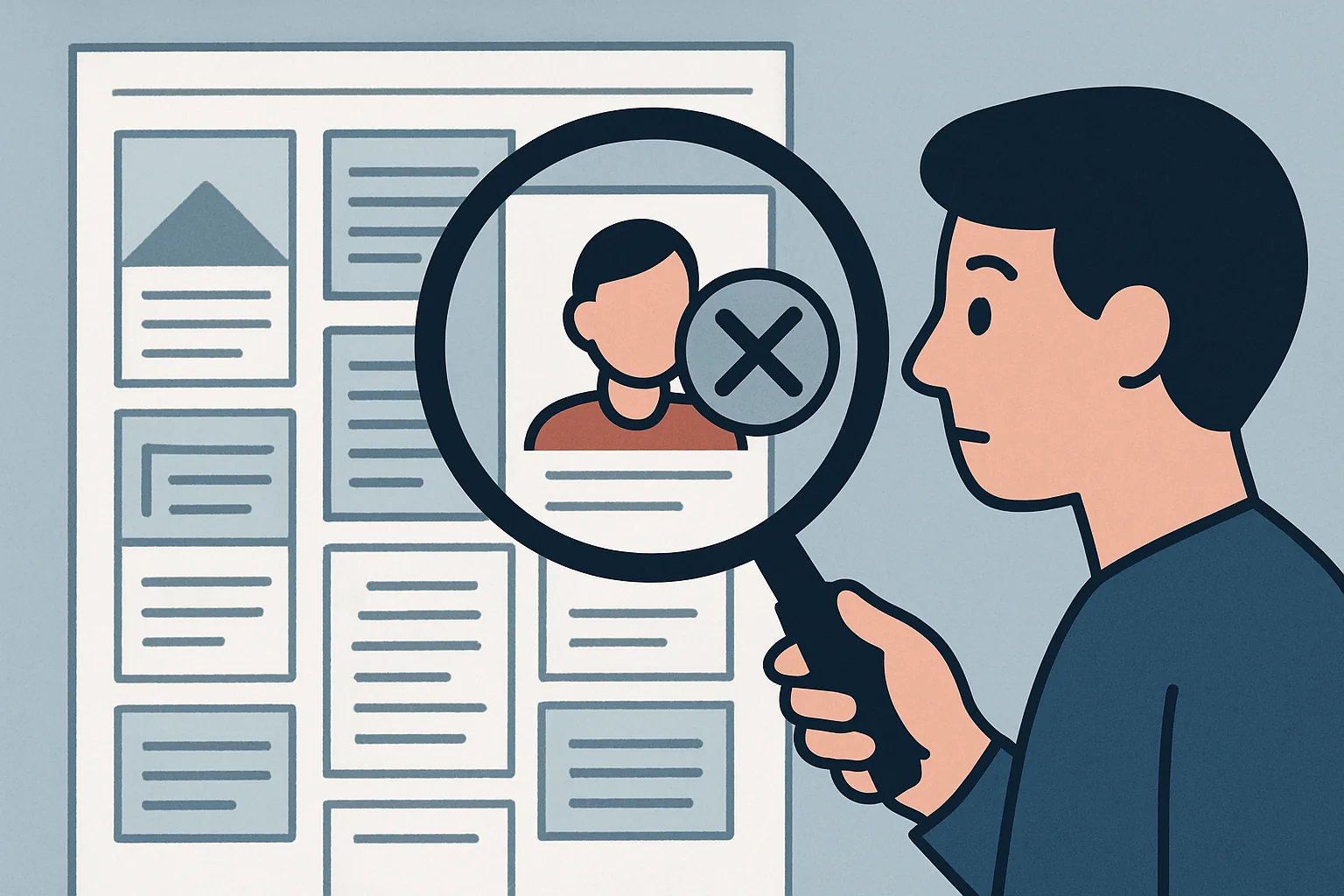
What a Fake Classifieds Listing Looks Like
A fake classifieds listing is usually not fake in the dramatic sense people imagine, and it does not always scream “scam” from the first line. More often, it looks ordinary at a glance: a clean photo, a friendly price, a short description, and a seller who seems eager to move fast. That is exactly why these listings work.
The goal is not to become suspicious of every seller. It is to learn how to spot the small mismatches that appear before trouble starts, and to understand how to detect a fake classifieds listing before you commit. A strange price, a borrowed photo, a vague location, a profile with no real history — any one of these may be harmless on its own. Put them together, and the picture changes quickly.
If you already use classifieds regularly, you know the rhythm. Real sellers tend to answer questions in a practical way, know the item they are offering, and can usually explain why they are selling it, and fake listings, by contrast, often feel slightly off. They are built to move you from curiosity to urgency before you have time to think. That is the core trick to watch for when reading fraud signs on marketplace platforms.
Step 1: Check the Price, Photos, and Description
The first scan should be simple: price, photos, description, and these three pieces often reveal more than any detailed profile ever will.
Start with the price. If it is far below what similar items usually cost, ask why. A seller may have a genuine reason — a move, a rush sale, an upgrade — but a bargain that looks too neat often exists to lower your guard. This is especially true when the item is in popular demand or easy to resell. A listing that seems unusually cheap deserves a slower, more careful read.
Then look at the photos. Blurry images are not always a sign of fraud, but they can be a warning if the seller claims to own something valuable, and stock photos, mismatched lighting, or images that look copied from a product page are all worth noticing. Sometimes the background gives the game away: one photo shows a kitchen table, another shows a showroom floor, and a third looks like it came from a warehouse. That may mean the images were pulled from different sources rather than taken by the same seller.
The description should also feel consistent. Fake listings often use generic wording that could apply to almost anything: “great condition,” “excellent opportunity,” “serious buyers only,” and little else, and there may be missing basics like brand, size, age, serial details, or actual condition. Or the description may overcompensate with sales language but leave out practical facts. A real listing usually answers the most obvious questions before you ask them.
One useful habit is to compare the words with the pictures, and if the text says “lightly used” but the photo shows visible wear, the seller may be careless or misleading. If the listing claims one model and the photo shows another, do not shrug it off. These are the small cracks where a fake classifieds listing starts to show.
Step 2: Look for Scam Listing Red Flags in the Seller Profile
The listing itself matters, but so does the person behind it, and scam listing red flags often hide in the profile long before they appear in the chat.
Begin with the account age and activity pattern. A brand-new profile is not automatically bad, yet it deserves closer attention, especially if the listing is expensive or the seller wants a quick deal. An account with no history, no completed sales, no profile photo, and very little personal information leaves you with almost nothing to evaluate. That does not prove fraud, but it reduces trust.
Look at the posting pattern as well. Some fake sellers post many unrelated items in a short time, sometimes in different categories and cities, and others reuse the same wording across dozens of listings. If every item looks polished but oddly impersonal, it may be because the seller is not handling the goods directly. A single profile that lists phones, furniture, baby clothes, and power tools all at once is not impossible, of course, but it should prompt a second look.
Also notice whether the profile feels complete in normal ways. A legitimate seller may keep details private, and that is fair. Still, a profile with broken language, no local context, copied photos, or a name that does not match any other information can be worth questioning, and if the platform shows previous reviews or ratings, read them carefully. A few vague compliments are less helpful than specific feedback from actual buyers.
If you want a deeper approach before contacting anyone, a resource like how to check a seller before can help you turn those first impressions into a routine. The point is not to judge quickly. It is to gather enough signs to decide whether the seller looks real, reachable, and consistent.
Step 3: Verify the Item Exists and Matches the Listing
This is where the detective work gets practical. A fake classifieds listing often depends on an item that cannot be verified because it does not belong to the seller at all. Your job is to test that assumption.
Start with a reverse image search if the platform and your browser make it easy. If the same photo appears on another site, especially an older listing or a product page, that is important context. Sometimes sellers reuse manufacturer images without thinking, and other times they borrow a photo to attract attention. The difference matters. A real seller can usually explain where the photo came from; a fake one may not be able to do that convincingly.
Location details also deserve attention. Does the listing say the item is nearby, yet the seller refuses to mention a district, town, or practical meeting point? Do the images show a different region, a different language on labels, or an environment that seems inconsistent with the claimed location? These are small clues, but they help. A legitimate seller can normally confirm where the item is and when it can be viewed.
Ask for proof that the item exists in the seller’s possession. That does not mean demanding private documents or crossing boundaries. A simple, specific request often works better: a current photo with today’s date written on paper beside the item, or a quick image showing a unique detail from another angle, and if the seller avoids even modest verification, treat that as a warning sign.
For some categories, matching the listing against the real item is especially important. Electronics, branded goods, collectible items, and vehicles can all be misrepresented in ways that are hard to notice from a single photo. If the seller is vague about model numbers, features, or condition, keep digging rather than assuming the best.
Step 4: Message the Seller and Watch for Evasive Behavior
The chat is where many fake listings begin to wobble, and a seller who does not actually have the item often struggles to answer normal, practical questions.
Start with something specific. Ask about the item’s age, condition, origin, or a detail visible in the photo. Then watch the answer. A real seller may reply briefly, but the response should fit the question. A scammer often answers too broadly, ignores the detail, or pivots immediately back to the sale.
One classic warning sign is a copied reply. You ask about scratches on the phone case, and the response says, “Still available, serious buyers only, first come first served.” That is not an answer; it is a script. Another common tactic is pressure. The seller says someone else is coming in ten minutes, or that the price changes tonight, or that you must pay a deposit immediately, and urgency is useful to a scammer because it shortens your thinking time.
Be especially cautious if the seller refuses to meet in a reasonable place or pushes you toward an unsafe arrangement. A genuine seller may have a schedule problem, but they will usually work with you. A fake one may insist on shipping, prepaid transfers, or unusual communication outside the platform. That is the moment to slow down.
You can also test responsiveness by asking two or three direct questions in a row. Does the seller answer cleanly, or do the replies drift away from the subject? Does the tone shift from friendly to impatient when you ask for a small proof point? Evasive behavior is a pattern, not a single sentence. Once you spot it, trust the pattern.
Step 5: Compare the Listing Against Trusted Sources
It helps to stop treating the listing as the only source of truth. Compare what you see with official product pages, manufacturer details, reputable marketplaces, and any other reliable reference you trust.
This is especially useful when the seller claims a particular model, version, or feature set. A listing may say “latest edition,” “original accessories,” or “factory sealed,” but trusted sources can show whether those claims make sense, and if the product was discontinued years ago, for example, the wording may be inflated. If the item is a collectible, the official reference can help you spot wrong packaging, missing parts, or inconsistent branding.
Market value is another useful comparison point. You do not need to know the exact average price to notice when something is wildly out of range. A polished listing with an unusually low price can be tempting, but trusted sources often reveal whether the deal is believable or simply bait. The same applies in reverse: a very high price paired with weak evidence may indicate a seller trying to create false scarcity.
When you are unsure how a platform functions or how to use its safety tools, it can also help to review How Admister works. Understanding the platform’s basic flow makes it easier to spot when a listing is pushing you away from normal behavior and toward something risky.
Comparing sources does not need to take long. Even a few minutes can reveal that the seller’s description borrows heavily from official text, or that the item in the image does not match the current version sold by the manufacturer, and those details matter because a fake listing often relies on your not checking.
Step 6: Decide Whether to Report, Avoid, or Proceed Safely
Once you have gathered enough clues, make a clear decision. Do not let a nice tone or a low price drag you into ignoring the evidence.
If the warning signs are strong, stop engaging, and report the listing through the platform if that option exists. Reporting helps other users, and it also creates a record in case the seller is running the same scheme across multiple accounts. If you have already shared personal details, keep an eye on your accounts and payment methods. Better to be cautious now than apologetic later.
If the signs are mild but the item still seems plausible, proceed carefully. Meet in a public place when possible. Inspect the item before paying. Use payment methods that leave a trace, and avoid sending money in advance unless the platform has a clear, trusted process for it, and if the seller resists normal precautions, that resistance tells you something important.
There are also times when the safest decision is simply to walk away, even if you cannot prove the listing is fake. That is not a failure of judgment. It is judgment. A good deal should not require you to ignore basic safety rules. If you need more general help with platform support, the page on Getting support is a sensible place to start.
One final note: if you are the type who likes to sell as well as buy, it helps to understand how a trustworthy listing is put together. The guide on how to write a classifieds ad is useful not because it teaches tricks, but because it shows what clarity looks like. Clear listings are easier to trust. Vague ones are easier to fake.
Quick Checklist: Fast Signs a Listing May Be Fake
- The price is far lower than comparable items and the reason is unclear.
- The photos look copied, generic, inconsistent, or too polished to be casual.
- The description is vague, repetitive, or missing basic item details.
- The seller profile is new, incomplete, or unusually active across unrelated categories.
- The location is unclear, inconsistent, or changes in the conversation.
- The seller avoids specific questions or replies with copy-paste text.
- You are pressured to act quickly, pay early, or communicate outside the platform.
- The item cannot be verified through image search, direct questions, or trusted references.
If a listing hits several of these points at once, treat it as suspicious. You do not need a courtroom standard of proof to protect yourself. In classifieds, caution is often the cheapest kind of insurance.
