How to Spot a Scam Buyer on Classifieds
Learn how to spot a scam buyer on classifieds using clear warning signs, safe payment checks, and simple steps to avoid fraud.
On this page
- What a classifieds buyer scam looks like
- Key classifieds buyer scam signs to watch for
- Step-by-step: how to spot a scam buyer on classifieds before you agree to sell
- How to avoid buyer fraud when selling used items
- Common scam patterns by item type
- What to do if you suspect a scam buyer
- Safe selling checklist for classifieds
What a classifieds buyer scam looks like
Buying and selling through classifieds can be perfectly ordinary: a neighbor wants your spare chair, a student messages about your old laptop, someone across town is looking for an used stroller, and most conversations are simple, brief, and practical. Then there are the others — the ones that start politely and turn strange the moment money enters the picture.
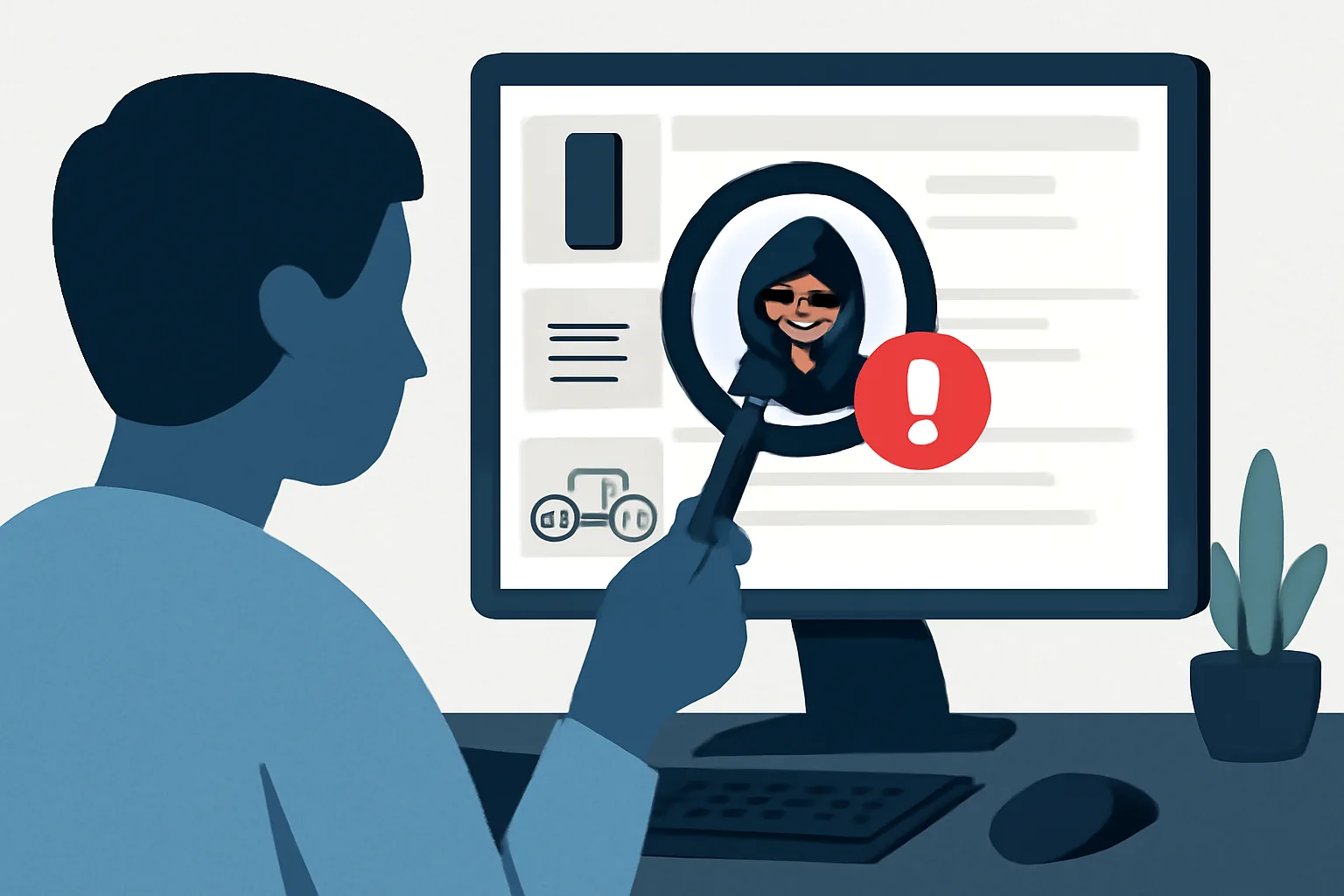
A classifieds buyer scam is any attempt to trick a seller into handing over an item, shipping it, sharing payment details, or revealing personal information under false pretenses. The goal is not to buy in good faith. The goal is to create just enough trust, urgency, or confusion to make you move first.
Scammers target sellers because sellers are often trying to be helpful. They want to close the deal, answer messages quickly, and avoid losing a serious buyer. That willingness gets exploited. A scammer may pretend to be in a hurry, offer to pay “right away,” or act as if they already know the process better than you do, and in many cases, they push the conversation away from the platform as soon as possible. If you want a broader sense of how the platform itself is meant to work, How Admister works is an useful place to start.
The tricks vary, but the pattern is familiar: a buyer tries to remove the safeguards that come with ordinary selling. They want to skip questions, skip inspection, skip meeting in person, skip payment verification. The more shortcuts they ask for, the more careful you should be.
Key classifieds buyer scam signs to watch for
There is no single tell that proves a buyer is fraudulent, and real buyers can be awkward, blunt, distracted, or overly enthusiastic. Still, certain behaviors should make you stop and reassess.
Rushed deals. The buyer wants the item “today,” “within the hour,” or “right now,” and keeps pressing for a quick yes.
Off-platform pressure. They ask to move the conversation to text, email, or another app immediately, where the platform offers less protection.
Fake payment screenshots. They send a screenshot that appears to show payment, then insist you ship or hand over the item before the funds actually arrive.
Overpayment requests. They claim they sent too much and ask you to refund the difference. Often the original payment later fails or is reversed.
Shipping insistence. Even for a local pickup listing, they push hard to have you ship the item, sometimes to a “friend,” “assistant,” or “moving company.”
Vague answers. When you ask basic questions about the item, they answer with generic phrases instead of specifics.
Refusal to meet safely. They reject public meeting points, daylight meetups, or any location where you can reasonably inspect the exchange.
One caution worth repeating: scammers often sound reasonable at first. They may be courteous, even charming. What matters is whether their behavior matches a normal buying process, and if it does not, treat that mismatch as a signal.
Step-by-step: how to spot a scam buyer on classifieds before you agree to sell
A calm screening process saves time and reduces mistakes. You do not need to interrogate every person who writes to you. You do need a few habits that make scams easier to spot.
Read the message, not just the headline. A buyer who opens with a generic “Is this still available?” may be fine. A buyer who follows it with immediate urgency, vague logistics, or strange payment language deserves closer attention.
Check profile details. Look at account age, previous listings, profile photo, and whether the behavior feels consistent with a real person, and a blank profile is not proof of fraud, but it gives you less to work with.
Ask one item-specific question. For example, if you are selling a phone, ask which model they need or what carrier they use. For a bike, ask about frame size. For a table, ask whether they need exact dimensions. Real buyers usually answer directly. Scammers often dodge.
Watch for consistency. A genuine buyer usually keeps the same story from message to message. A scammer may change their location, payment method, or reason for buying once you start asking details.
Pause if anything feels off. You do not have to prove fraud beyond doubt before declining a sale, and if the tone, timing, or payment request seems strange, you are allowed to step back.
This kind of screening does not take long. In practice, it is usually a minute or two of careful reading. That is much cheaper than dealing with a reversed payment, a no-show, or a disappeared buyer after you have already handed over the item.
How to avoid buyer fraud when selling used items
The best way to avoid fraud is not to get trapped in a bad exchange at all. That means making your listing, communication, and handoff process hard to manipulate.
Start with the meeting itself. For local sales, choose a public place with people around, like a café, store entrance, or other safe meeting point. If the item is large and must be collected from your home, have another person present if possible, and keep the exchange brief.
Payment should stay simple. Cash is still the clearest option for many face-to-face sales, provided you check it carefully, and if you use a payment app or platform transfer, confirm that the funds have actually arrived before you release the item. A screenshot is not proof. An email saying “it should arrive soon” is not proof either.
Do not share codes, one-time passwords, or verification links with anyone. A buyer does not need them to purchase a secondhand lamp or a pair of headphones. If someone asks for a code “to confirm the transfer,” that is a warning sign, not a routine step.
Also, avoid deposits from strangers unless you fully understand the process and trust the platform’s protections. A buyer who sends money first can still cause trouble if the transfer is fake, disputed, or sent through a compromised account. If you are ever unsure how a payout or withdrawal should work, the guidance in Withdrawing your earnings can help you separate a normal process from a suspicious one.
Finally, keep the conversation on the platform whenever possible, and the platform’s messaging may not solve every problem, but it does create a record. That record matters if you later need to report the buyer or explain what happened.
Common scam patterns by item type
Scams do not look identical across every category. A buyer trying to steal a phone behaves differently from someone after a sofa or concert tickets. Knowing the usual pattern for the item you are selling helps you spot trouble sooner.
With phones, the scam often centers on urgency and technical confusion. The buyer may ask for the IMEI, request a full reset before meeting, or insist on shipping because they are “traveling” or “working offshore.” They may say they cannot verify the device unless you send extra photos of details that are already in the listing, and legitimate buyers can ask questions too, of course. The difference is that honest buyers usually ask in order to decide, not to stall you while they prepare a fake payment.
For electronics, a common tactic is the “too good to be true” response. The buyer agrees instantly, offers to pay above asking price, and wants the item shipped as a gift or to someone else.
Vehicles invite a different style of pressure, and the buyer may avoid inspection, claim they are overseas, or ask for an unusual deposit before even seeing the car. They may also push you to sign paperwork quickly. A genuine vehicle buyer usually wants a proper look, maybe a test drive, and time to verify the title. Anything less deserves scrutiny.
Tickets can be especially vulnerable because the value is tied to timing. A scammer may claim they are in a rush and need the ticket transferred immediately, then attempt to reverse payment afterward, and if the platform offers a secure transfer process, use it.
Furniture and bulky items often attract buyers who want you to hold the item, store it, or deliver it without a firm commitment. That is less a classic payment scam and more a time-wasting tactic, but it can still put you at risk if you share your address too early or let the buyer manage the terms.
For item-specific protections, it can also help to review the platform’s practical guidance on Checking a phone number if a buyer gives you one and you need a quick way to assess whether the contact information looks normal.
What to do if you suspect a scam buyer
If something starts to feel wrong, you do not need to wait for absolute proof. Stop the process before more damage is done.
First, end the transaction calmly. You do not have to argue, accuse, or explain your entire reasoning. A simple “I’m not continuing with this sale” is enough. If the buyer keeps pushing, do not get drawn into a debate, and scammers often rely on momentum; once you slow the conversation down, their pressure loses force.
Second, save the messages. Take screenshots, note usernames, and keep records of payment claims, shipping addresses, and contact details. If you later need to report the account, these details matter. They also help if you have already shared limited information and need to understand what was exposed.
Third, protect your payment details. If you entered card information, connected an account, or clicked a suspicious link, review the relevant settings and look for signs of unauthorized activity, and change passwords if needed, and contact your bank or payment provider promptly if money may be at risk.
Fourth, report the account through the platform’s reporting tools and, when appropriate, contact local authorities. A platform can suspend a suspicious profile, but that may not be enough if the buyer has already moved to another account or used the same playbook elsewhere.
If you need help handling the reporting or support process, Getting support explains how to reach the right place and what information to have ready. That saves time, especially when the situation is already stressful.
One practical note: if the buyer has already sent a payment claim, do not ship, hand over the item, or refund anything until the situation is verified, and a rushed “just reverse the difference” request is exactly the sort of moment where people lose money.
Safe selling checklist for classifieds
Before you agree to sell, run through a final check. It takes very little time and can prevent a lot of trouble.
Does the buyer’s message sound specific and consistent, or generic and evasive?
Does the profile look at least somewhat established, with normal activity and a plausible history?
Has the buyer asked sensible questions about the item, rather than pushing straight to payment?
Are they trying to move off-platform or speed up the process in a way that feels unnatural?
Have you confirmed payment through a real transfer, not a screenshot or promise?
Have you avoided sharing passwords, codes, or other sensitive information?
Is the meeting place public, safe, and appropriate for the item?
Have you ignored any last-minute pressure to change the terms?
If the answer to any of those questions makes you hesitate, slow down, and a legitimate buyer will usually accept reasonable caution. A scammer will not. That difference is often the easiest clue of all.
Selling used items should feel practical, not precarious. You are not trying to become a detective; you are just looking for a few reliable signals before you part with your stuff. Stay within the platform when possible, confirm payment properly, meet safely, and trust the moment when a conversation stops feeling ordinary. That moment matters.