How to Spot a Fake Listing on Classifieds
Learn how to spot a fake listing on classifieds by checking photos, prices, and details for common scam signs before you buy.
On this page
- What a Fake Listing Looks Like
- Step 1: Check the Photos for Signs of Reuse or Manipulation
- Step 2: Read the Listing for Inconsistencies
- Step 3: Recognize Used Item Scam Signs
- Step 4: Verify the Seller Before You Pay
- Step 5: Practice Buying Safely on Classifieds
- Step 6: Watch for Pressure Tactics and Payment Traps
- What to Do If You Suspect a Scam
What a Fake Listing Looks Like
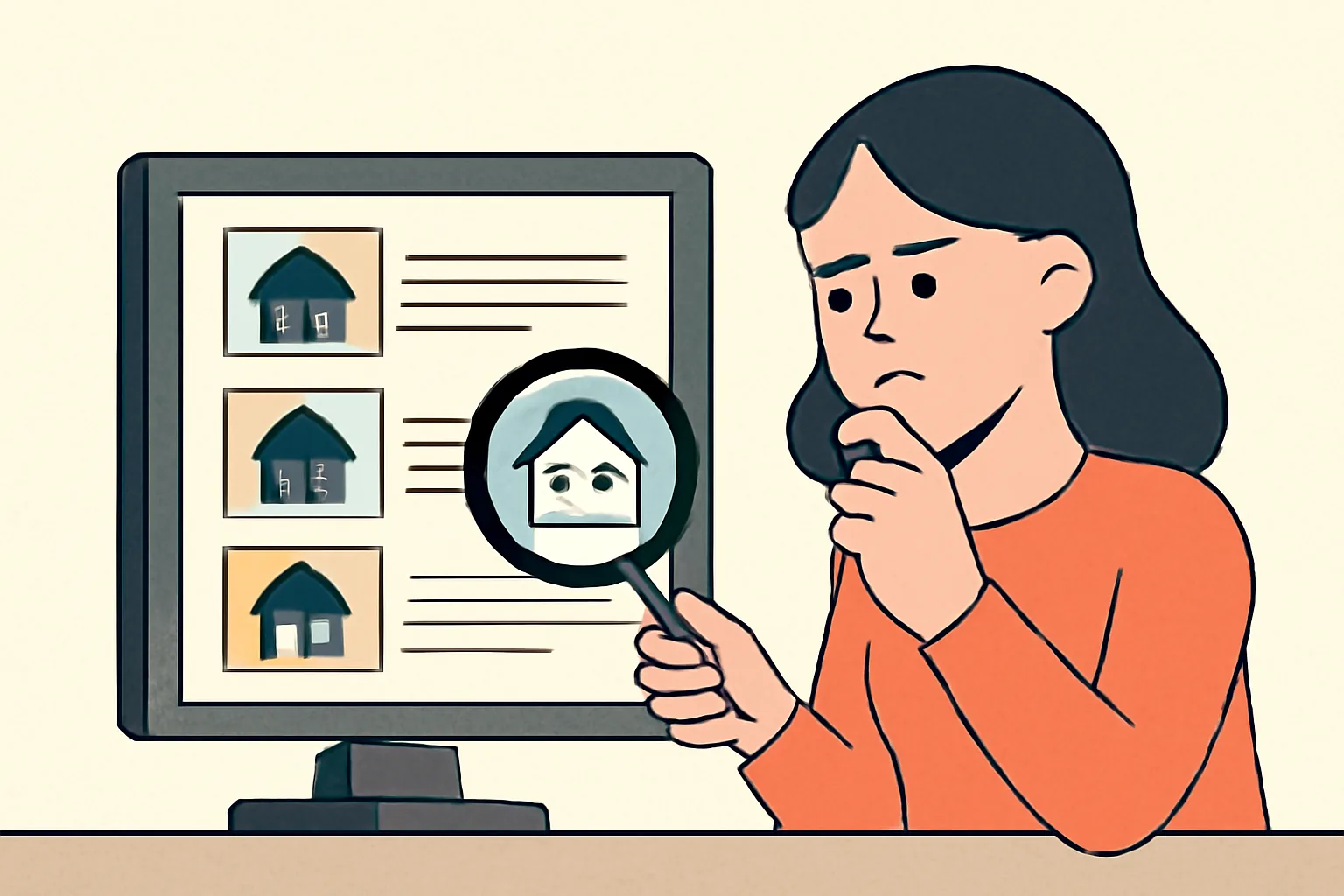
Fake listings on classifieds usually try to look ordinary at first glance. That is exactly what makes them effective. The seller may use a tidy title, a decent-looking photo, and a price that feels tempting enough to make you click before you think too hard. But once you slow down, the cracks tend to show when you learn how to spot a fake listing on classifieds.
The most common red flags are easy to miss if you are in a hurry. Photos may be blurry, cropped too tightly, or strangely polished. The description may be vague in a way that feels deliberate, as if the seller copied a template and forgot to fill in the details. You may also notice a pushy tone: “need gone today,” “first come first served,” “message now or miss out.” Real sellers can be impatient too, of course, but when urgency is paired with missing information, it deserves attention.
Another warning sign is a listing that seems to avoid specifics altogether. If the ad says “great condition” but never explains what that means, or if the item is described with broad phrases like “everything works” without any mention of wear, repairs, or included accessories, the seller may be hiding something. The same goes for location. A listing that claims to be local but gives only a vague area, or one that keeps changing the meeting point, should raise a question.
If you are new to classified ads, it helps to understand how the platform itself is meant to work. A good place to start is How Admister works, which explains the basics of browsing, contacting sellers, and handling transactions with less guesswork.
Step 1: Check the Photos for Signs of Reuse or Manipulation
Photos often tell the real story before the text does. Start by looking at image quality. If one photo is crisp and another looks oddly compressed, they may not have been taken together. If the item is pictured against different backgrounds with no explanation, ask yourself whether you are seeing one real object or a collection of borrowed images.
Reverse-searching photos is one of the most useful habits a buyer can build. It may reveal that the image appeared on another listing, a marketplace profile, or even an unrelated website. When that happens, the explanation is not always sinister, but it is rarely harmless either. Sellers genuinely reusing photos should be able to explain why.
Watch for stock images as well. A polished product shot with perfect lighting, no surroundings, and no signs of use may come straight from a manufacturer’s page. That matters most when the item is supposedly secondhand. A used bike, phone, or laptop should usually show at least a little real-world wear. If every image looks like it was lifted from a brochure, the listing may be fake or recycled.
Manipulation can be more subtle. Cropped corners may hide logos or timestamps. Mirrored images can make damage harder to see. Excessive editing may blur scratches, dents, or serial labels. If something feels too neat, zoom in and inspect details you would normally ignore: reflections, shadows, plug types, wall sockets, and the style of flooring. Those small clues often reveal whether the picture was taken in the seller’s environment or borrowed from somewhere else.
For larger purchases, such as a used laptop, it is worth comparing the photos against a known checklist of buying risks. Our guide on how to check if a used can help you separate normal wear from warning signs that should not be brushed aside.
Step 2: Read the Listing for Inconsistencies
A fake listing often falls apart when the title, description, price, and condition do not agree with one another. The title might advertise one brand or model, while the description quietly mentions something else. The item may be labeled “new,” but the text refers to visible scratches. Or the seller may claim it is available locally, yet the wording sounds copied from a template used in another region.
Read the details slowly. Does the price match the item’s condition and age? Does the description mention accessories that should come with the product, but then fail to show them in the photos? Is the item described as “barely used,” yet no effort is made to explain why it is being sold so soon? These contradictions are not proof on their own, but they are the sort of loose threads that reveal a rushed or dishonest post.
Location is another useful check. A seller may list a city, neighborhood, or pickup zone that does not fit the rest of the ad. Sometimes the location changes after you ask a question, which can mean the seller is trying to cast a wider net. A copied listing can also carry traces of its original place of publication: references to local pickup points, delivery terms, or slang that do not make sense where the seller claims to be.
Even grammar can be revealing, though not in the simplistic way people sometimes imagine. Bad spelling alone does not make a listing fake. Plenty of honest people write quickly or in a second language. What matters is consistency. If the post switches between formal and awkward phrases, or between first-hand detail and generic sales language, it may have been assembled from multiple sources. That kind of stitching often shows up in scam posts.
Step 3: Recognize Used Item Scam Signs
Used item scam signs tend to appear in predictable patterns. The most obvious one is a price that seems unusually low for no clear reason. A genuine bargain does happen, but a serious discount should come with a believable explanation: a quick move, an upgrade, a repair cost the seller does not want to handle, or simply a need for fast cash. If none of that is mentioned and the price is far below comparable listings, pause before you get attached.
Another classic tactic is the phrase “like new.” On its own, that is meaningless. Ask what “like new” actually means. How long was it used? Are there scratches on the screen, scuffs on the corners, cracks near the ports, worn buttons, dead pixels, or missing parts? A trustworthy seller can answer these questions without sounding annoyed. Scam listings often rely on the buyer filling in the gaps with optimism.
Refusal to meet in person is another strong warning. Sometimes a remote deal is legitimate, but if the seller keeps dodging a face-to-face exchange, refuses inspection, or insists on shipping without any buyer protection, that should make you careful. Fraudsters love convenience because convenience lowers resistance. The less time you have to examine the item, the easier it is to make a bad decision.
Pay attention to how the seller responds to simple condition questions. A real owner usually knows the basics: where the item was used, whether it has been repaired, what comes in the box, and whether any parts are missing. A scammer may answer with vague reassurance instead of details: “all good,” “works perfect,” “nothing wrong.” That sounds comforting, but it is also the easiest answer to fake.
One more subtle clue: emotional pressure. A seller might frame the deal as a rare opportunity and imply that another buyer is already waiting. It may be true, but if every answer is designed to hurry you along, the listing is probably trying to beat your caution rather than earn your trust.
Step 4: Verify the Seller Before You Pay
Before money changes hands, take a closer look at the person behind the listing. A profile that was created yesterday, with no history and no meaningful activity, deserves more scrutiny than one with a visible trail of previous sales or normal interaction. A seller who has been active for a while and has consistent postings is not automatically honest, but at least they leave a footprint you can examine.
Look at the style of past listings if they are available. Do the photos look self-taken or copied? Are the item categories consistent? Does the account repeatedly post high-demand products at unusually low prices? A pattern can tell you much more than one isolated ad.
Communication matters too. A genuine seller usually responds in a way that matches the item. They know what they are selling and can answer practical questions without looping back to the same generic line. If they avoid direct answers, change the subject, or pressure you to move the conversation elsewhere, be careful. You are not being difficult by asking for clarity; you are doing basic due diligence.
If the item is expensive or unusually attractive, ask for extra photos taken on the spot, or for a close-up of identifying details such as a serial number, model label, or proof of ownership. A legitimate seller may blur part of the serial number for privacy, which is fine, but they should still be able to show enough to prove they actually possess the item. If they suddenly become defensive, that is useful information in itself.
When in doubt, trust what the interaction feels like after a few messages. Honest sellers tend to be a little patient, even if busy. Scammers often seem polished at first and then strangely impatient once you start asking sensible questions. That shift matters.
Step 5: Practice Buying Safely on Classifieds
Buying safely on classifieds is less about paranoia and more about procedure. Meet in public places whenever possible, especially for portable items. A café, shopping center, or other busy location is usually better than a quiet street or a random parking lot. If the seller insists on meeting somewhere isolated, ask yourself why.
Do not use wire transfers, gift cards, or other hard-to-reverse methods for a first-time transaction. Those payment routes are favorites of scammers because they leave buyers with little leverage once the money is sent. If the platform offers protected payment or an escrow-style option, use it where available. It is often worth the small extra step simply because it creates a paper trail and a basic safety net.
For in-person exchanges, bring a friend if you can. A second pair of eyes helps with more than safety. Your friend may notice a mismatch in the item, a strange payment request, or a detail you overlooked because you were focused on getting the deal done. And yes, it is perfectly acceptable to say you are meeting with someone else. A scammer usually wants you alone and a little rushed.
Before paying, test the item if the category allows it. Phones should power on. Laptops should boot properly. Tools should run. Small appliances should not smell burnt. If testing is impossible, make sure the seller explains why and that the risk is actually acceptable to you. If they refuse even the simplest check, walk away.
For platform-specific help, it can also be useful to review the site’s support pages. If something about the process is unclear, Getting support explains how to ask for help and what information to keep ready if you need to report a problem.
Step 6: Watch for Pressure Tactics and Payment Traps
Pressure is one of the oldest tricks in the scammer’s playbook. The message may say someone else is about to buy the item, the price is only valid for a short window, or the seller is leaving town tonight. Sometimes urgency is real. More often, it is there to make you stop checking and start reacting.
Off-platform payment requests are another common trap. A seller may ask you to pay through a personal app, private transfer, or some other channel that avoids platform oversight. The pitch often sounds practical: “The site takes too long,” “I get my money faster,” “Let’s keep fees down.” Those are not reasons to ignore your own protection. They are reasons to slow down.
Be wary of deposits for items you have not seen. A request for a “reservation fee” or “holding payment” can be legitimate in some contexts, but it is also a favorite move for fake listings. If the seller says the item is in high demand and asks for money before you can inspect it, you are being asked to trust the deal before you have seen it. That is backwards.
Payment traps are often paired with emotional manipulation. The seller may act offended that you want to verify details, as if caution itself were rude. It is not. If the listing is genuine, the seller should be able to survive basic questions and reasonable safeguards. If they cannot, the problem is not your skepticism.
What to Do If You Suspect a Scam
The best response to a suspicious listing is usually to stop feeding it. Do not keep debating, bargaining, or trying to “see how it goes.” Save the evidence first: screenshots of the ad, the profile, the chat history, the photos, and any payment instructions. If the listing disappears, those records may be the only way to explain what happened later.
Next, report the listing through the platform’s tools. Most sites have a way to flag suspicious activity, copycat ads, or misleading information. If the platform asks for details, be specific. Mention the contradictions you noticed, the pressure tactics, the reused photos, or the off-platform payment request. Clear reports are more useful than vague frustration.
If you have already shared personal information or sent money, contact the platform and your payment provider as soon as possible. Speed matters. Depending on the method used, there may be limited ways to reverse or contain the damage. If you are unsure where to begin, Frequently asked questions — Admister can help with common next steps and point you toward the right support route.
Finally, warn others if the platform allows it and if doing so is safe. A short, factual note can prevent someone else from walking into the same trap. Stick to what you observed: the reused image, the inconsistent details, the demand for upfront payment. Keep it calm and accurate. That is more effective than outrage anyway.
Spotting a fake listing is mostly a matter of slowing the process down. Read carefully, inspect the photos, question the seller, and pay attention to the pressure beneath the pitch. Most scams depend on haste. A careful buyer takes away that advantage, and learning how to spot a fake listing on classifieds is the best first defense.