How to Sell Fragile Items Safely on a Classifieds Marketplace
Learn how to sell fragile items safely on a classifieds marketplace with honest photos, clear terms, and careful packing to reduce breakage.
On this page
- Decide Whether the Item Is Worth Selling at All
- Assess Fragility and Set a Safe Selling Scope
- Prepare the Item for Transport Before Listing It
- Photograph and Describe Hidden Weak Points Honestly
- Write Listing Terms That Reduce Breakage Risk
- Screen Buyers for Careful Handling and Serious Intent
- Arrange Handover Logistics That Protect the Item
- Close the Sale Without Losing Control of the Item
Decide Whether the Item Is Worth Selling at All
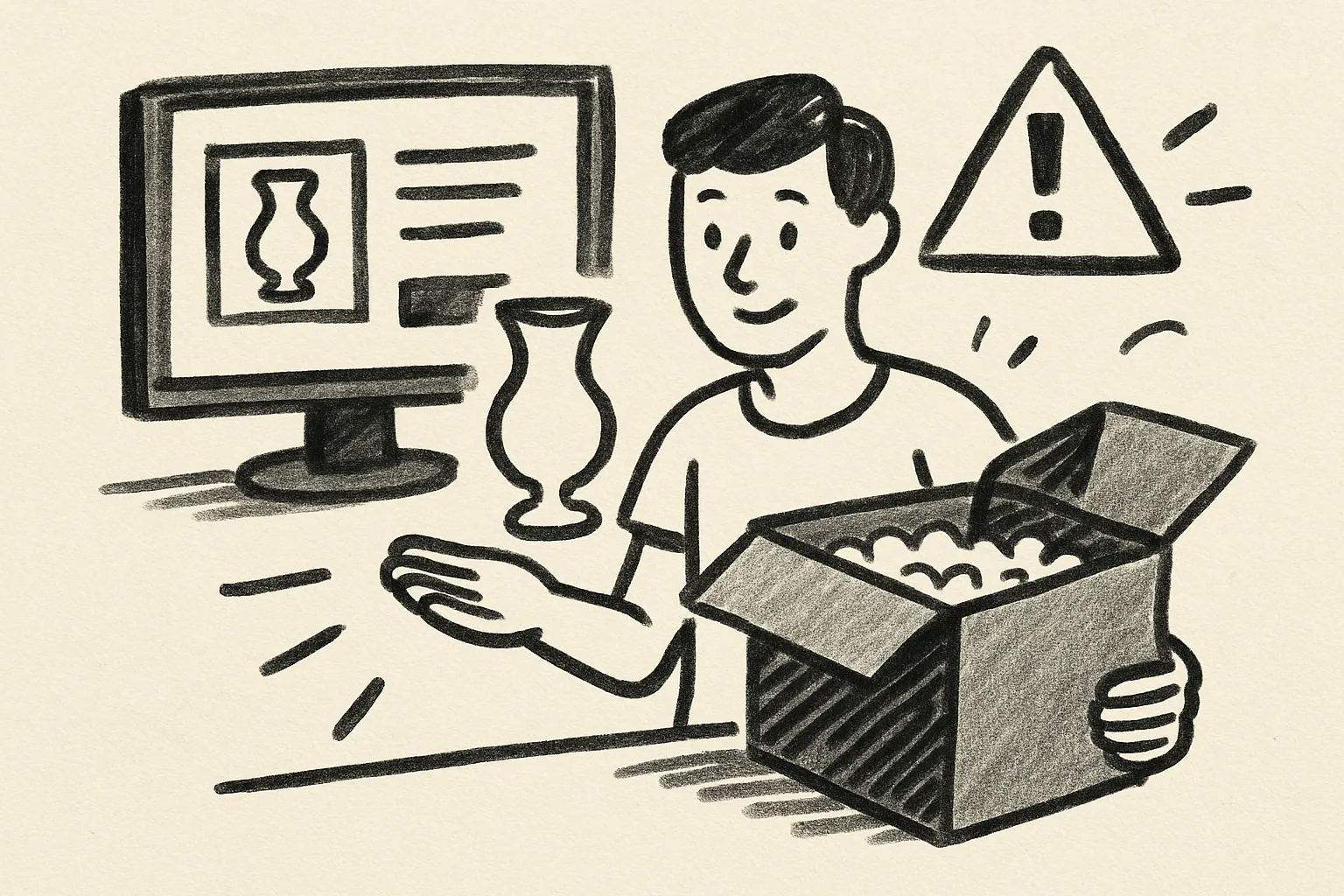
A fragile item is not always a smart sale. A cracked lamp, a chipped ceramic vase, or a vintage mirror with loose backing can look promising in photos, then turn into a return, a dispute, or a driveway disaster. If the item is worth only $20 and the packing materials cost more than that, donation or recycling may make more sense. That is a simple number, but it saves time.
Start with replacement value and risk. If the item would cost $200 to replace, a careful sale may be worth the effort; if a broken edge makes it nearly unsellable, the effort can exceed the gain. Ask one direct question: would a buyer still want it if they knew exactly what could fail during transport? If the answer is no, stop there.
Some sellers forget the labor cost. A fragile item often needs bubble wrap, double boxing, and extra messages before pickup. That is three rounds of work before the buyer even arrives. If you are selling through a classifieds marketplace, read this alongside वर्गीकृत विज्ञापनों पर बेचते समय शिपिंग, because transport problems often start with the first message, not the truck.
Assess Fragility and Set a Safe Selling Scope
Fragility is not one thing. Glass breaks differently from glazed pottery, and a framed print has different weak points than a table lamp with a ceramic base. Look for seams, glued joints, thin handles, loose lids, and weight imbalance. Those are the parts that fail first when someone lifts the item with one hand.
Set the selling scope before you publish anything. A tall floor vase might be safe for local pickup only, while a small clock with a removable glass cover might travel if packed carefully. One simple rule helps: if the item has three or more separate breakable parts, treat it as pickup only unless you have already packed similar items successfully before. No guessing.
Some items should be sold only to buyers who can manage careful transport. That may mean a collector with a padded crate, a local decorator with a van, or a buyer willing to bring blankets and a helper. If the item cannot tolerate tilting, stairs, or a crowded elevator, say so now. A vague listing later becomes a problem in the hallway.
Prepare the Item for Transport Before Listing It
Preparation starts before the photos. Tighten loose screws, tape down a wobbly lid, and remove parts that can travel separately without pressure. If a lamp shade can be detached, do it. If a ceramic finial keeps spinning, secure it with temporary wrapping so the buyer does not twist it during pickup. This is basic work, not fancy work.
Use temporary protection only if it does not hide real damage. Light wrapping can keep a handle from snapping, but thick wrap around a cracked edge may conceal a flaw the buyer needs to see. Group matching components in one place: base, lid, cord, screws, and any original box. A buyer who receives all five parts in order is less likely to handle the item roughly while figuring out what belongs where.
Before listing, test how the item moves. Lift it once with two hands, then rotate it slowly as if you were handing it to a stranger. If a shelf, stem, or arm shifts, that movement should be fixed or disclosed. For sellers who want a broader guide on shipment risks, वर्गीकृत विज्ञापनों पर बेचते समय शिपिंग covers the money side of buyer trust, which matters even when the sale is local.
Photograph and Describe Hidden Weak Points Honestly
Take photos of the damage, not around it. Show chips on the rim, cracks in the glaze, a repaired handle, and any seam that has opened slightly. One photo from the front is not enough. Use at least four angles if the item has delicate parts, and include one close-up of each weak point. Buyers do not mind honesty nearly as much as surprise.
Write the description as if the buyer is standing in front of the item. Say where the weakness is, how visible it is, and what kind of handling it needs. A phrase like “hairline crack near the base; stable but fragile” is better than “good condition” when the base is the exact place that may fail during lifting. The same goes for a repaired seam on a glass bowl; a repair matters even when it still looks tidy from one side.
A concrete detail helps. If a shelf insert is removable, say whether it is included. If a decorative finial is glued and not load-bearing, say that too. Clear words reduce arguments later. They also help you write the kind of listing that supports how to sell fragile items safely on a classifieds marketplace, because the buyer understands the item before they commit to carrying it home.
Write Listing Terms That Reduce Breakage Risk
Make the handling rules plain in the listing. Say whether the item is pickup only, whether a second person is needed, and whether the buyer must bring blankets or a box. If the item should not be laid flat, say “transport upright only.” If it should not be stacked under anything, say that in one sentence. Simple directions work better than polite hints.
Pickup timing matters too. A fragile item should not wait on a porch for six hours while rain rolls in. Give a narrow pickup window if the item is weather-sensitive, and state whether the buyer should inspect it on arrival before moving it. That gives both sides a chance to confirm condition without arguing after the item has already gone down the steps.
If your policy is sold as is or no returns, state the limit clearly and keep it tied to condition, not attitude. For example, “sold as-is due to age and fragility; buyer to inspect on pickup” is direct and fair. When the item can only move safely in specific conditions, the listing should say that plainly. For another angle on the transport side, see वर्गीकृत विज्ञापनों पर बेचते समय शिपिंग, which helps set expectations before anyone arrives.
Screen Buyers for Careful Handling and Serious Intent
Messages tell you a lot. A careful buyer asks about dimensions, weight, access, and whether the item is already wrapped. A careless buyer asks only for the address. Watch for the person who says, “I can be there in 10 minutes,” when the item clearly needs time and space. Speed is not a virtue here.
Ask one or two specific questions. “Will you bring a helper?” “Do you have a vehicle large enough to keep it upright?” “Can you carry it from the door without stairs?” Those questions are practical, not rude. They also filter out buyers who are not ready. If someone refuses basic questions about handling, the sale is already risky.
Look for the buyer who confirms the fragility in their own words. A message like “I’ll bring moving blankets and a friend” tells you more than ten thumbs-up emojis. If the buyer sounds distracted or keeps changing the pickup plan, that is a sign to pause. One missed detail can lead to a broken item and a long chat thread.
Arrange Handover Logistics That Protect the Item
Choose the handoff point with the item in mind. Ground-floor pickup is safer than a third-floor hallway. A covered entry is safer than an exposed curb when rain or wind can hit the item in transit. If stairs are unavoidable, keep the route short and clear, with no loose rugs, boxes, or narrow turns waiting to catch a corner.
Plan the carry before the buyer arrives. Know which door opens first, where the car will stop, and who will hold which side. If the item is awkward, ask the buyer to leave the vehicle close enough that the item moves once, not three times. Every extra turn increases risk. That is a plain fact, and you can see it in a bent frame or a dropped lid.
Weather changes the plan. Paper labels, cardboard corners, and wet pavement do not mix. If the item can be damaged by moisture, move the exchange indoors or reschedule. If the item cannot fit through a tight corridor without twisting, say so before anyone comes over. A two-minute warning saves a broken leg on a table or a chipped edge on a vase.
Close the Sale Without Losing Control of the Item
Do a last condition check before the buyer takes possession. This is the final moment to confirm that the crack is the same one you photographed, the lid is still attached, and no new chip appeared while the item sat by the door. If something changed, stop the handoff and state it clearly. Do not hand over a surprise.
Confirm payment before release. If cash is used, count it once and put it away before the item moves. If payment is digital, wait for the confirmation on your screen, not a promise about a pending transfer. A buyer may be eager, but eagerness does not pay for a shattered base. Keep the item in your hands until the payment is real.
Release the item only when the buyer is ready to carry it immediately. That means the route is clear, the vehicle is open, and the helper is in place. If the buyer wants to chat while balancing a glass lamp in one hand, stop them and reset the plan. The item should move once, safely, and then leave your control. One careful handoff beats three rushed ones every time.