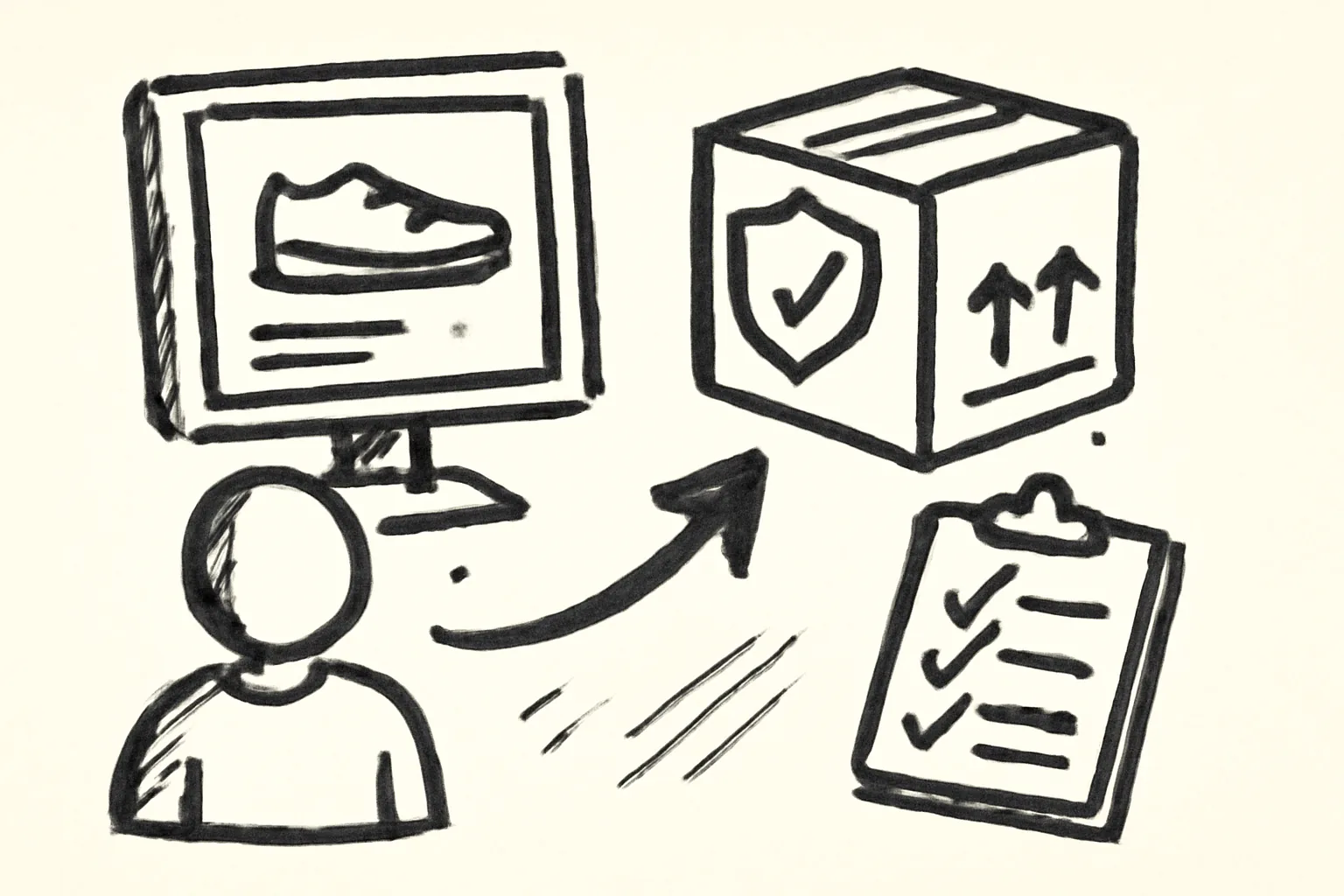
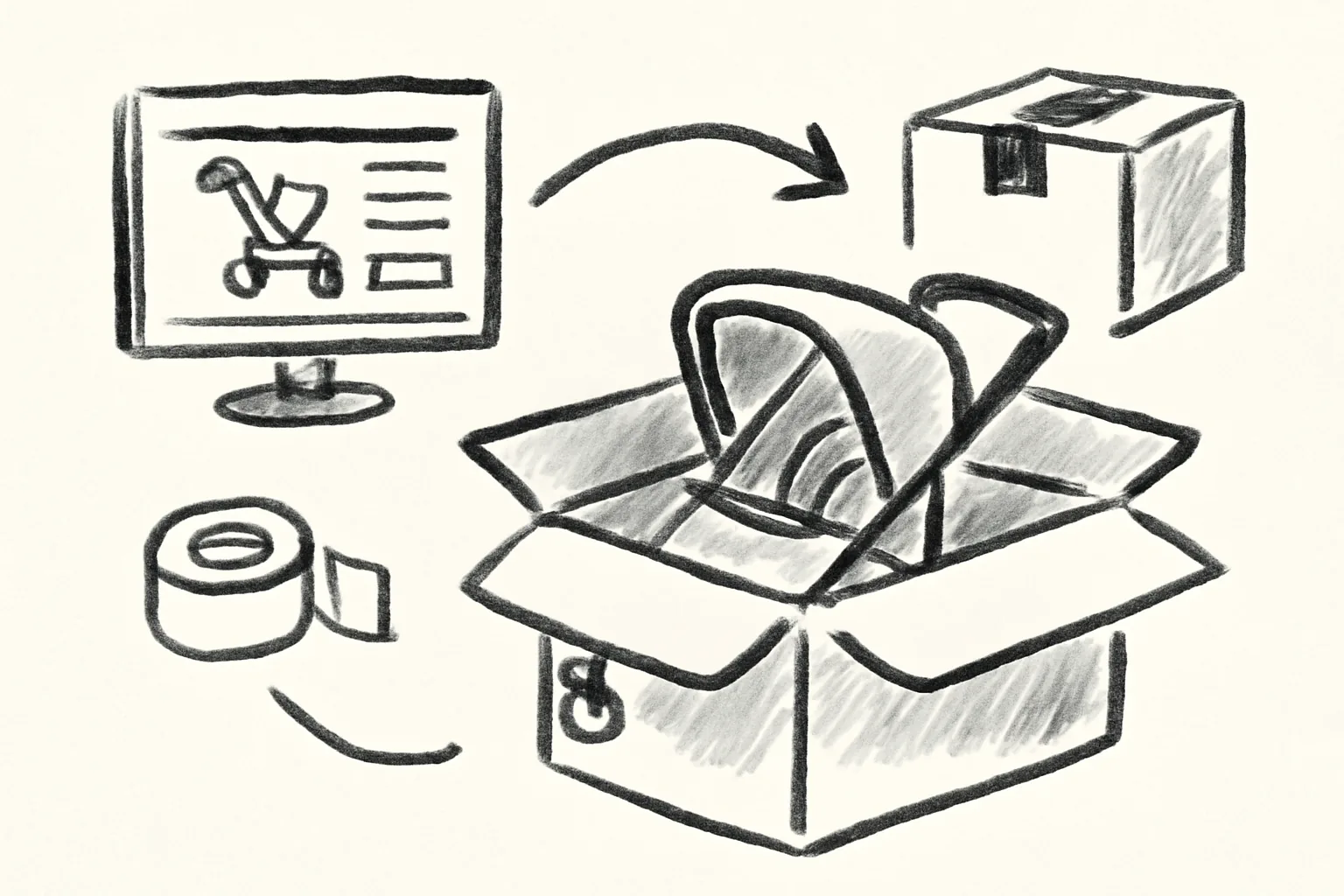
How to Choose a Safe Local Classifieds Payment Method
Learn how to choose a safe local classifieds payment method by comparing cash, bank transfer, mobile wallets, and escrow protection.
On this page
- How to Choose a Safe Local Classifieds Payment Method
- Understand the payment risks on local classifieds
- Set your safety criteria before you pay
- A practical checklist
- Compare the main payment types for local classifieds
- Cash
- Bank transfer
- Mobile wallets
- Card payments
- Use escrow checkout when you need extra protection
- Choose the safest method for your situation
- Confirm the seller, item, and payment details before sending money
- Complete the transaction safely and keep evidence
- Know what to do if something goes wrong
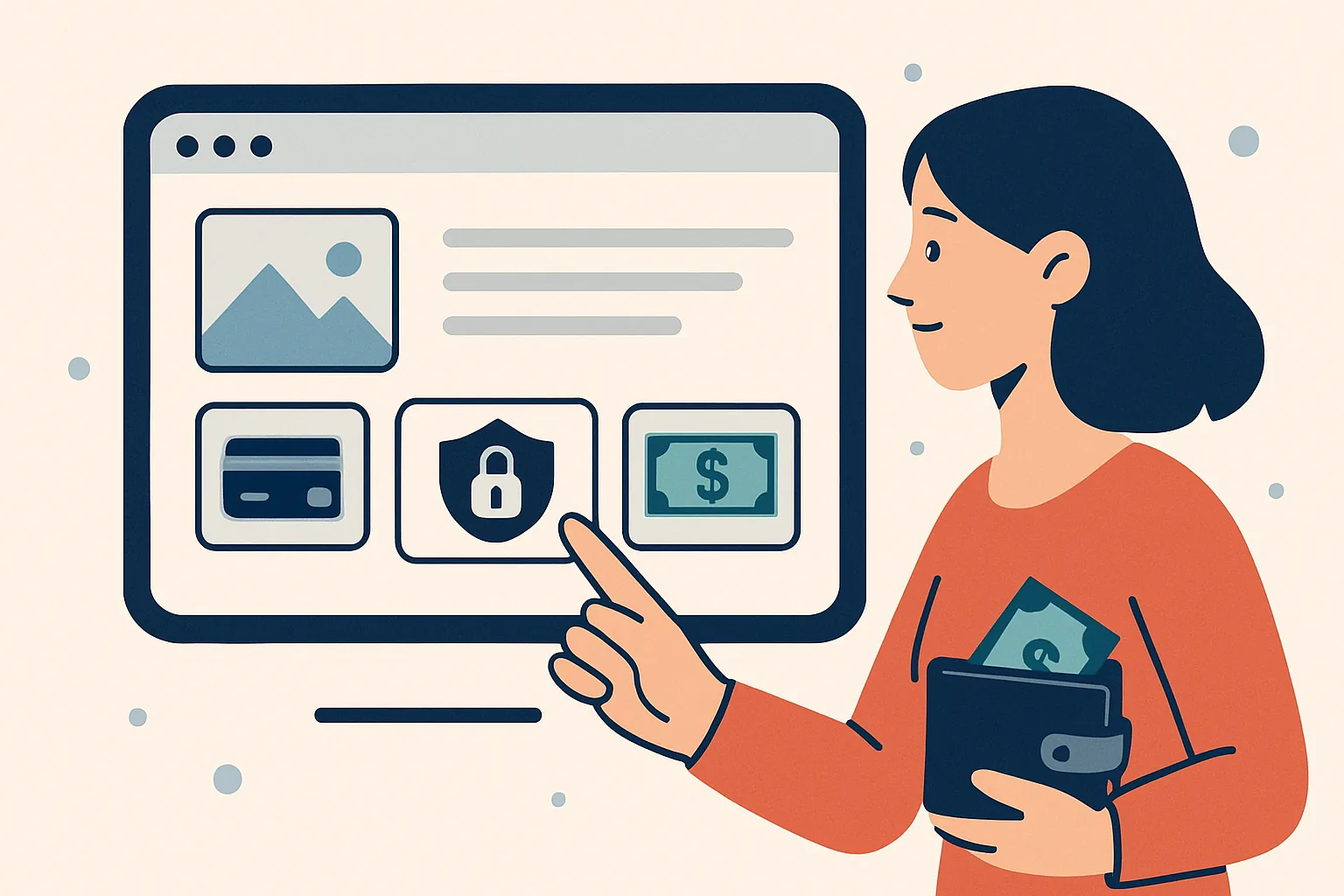
How to Choose a Safe Local Classifieds Payment Method
Local classifieds are built on convenience. You find a table, a bike, a used phone, maybe a set of kitchen cabinets, and the whole point is to make the deal happen quickly, and but the payment step is where a simple exchange can turn messy. Once money moves, trust matters more than the listing description, and that is exactly where scams, misunderstandings, and bad-faith sellers tend to show up.
Choosing a safe local classifieds payment method is not just about avoiding obvious fraud. It is also about reducing awkward disputes: the item arrives late, the condition is not what was promised, the seller disappears after a deposit, or the buyer claims they never received the goods. The right method will not eliminate every risk, but it can make problems easier to prevent and, if needed, easier to prove.
Understand the payment risks on local classifieds
Peer-to-peer sales carry a different set of risks than shopping from a store. There is usually no established returns desk, no standard invoice process, and no customer service team to mediate. You are often dealing with a stranger, or with someone whose identity you only know through a profile, a phone number, or a chat window. That is why payment choice matters so much.
The main risks usually fall into a few patterns, and first, there is non-delivery: you pay, and the item never arrives. Second, there is misrepresentation: the item arrives, but it is damaged, counterfeit, incomplete, or simply not the model described. Third, there is payment irreversibility: if you send money in a way that cannot be reversed, your options are limited once the seller stops responding. Finally, there is social pressure risk, which is easy to underestimate. A seller may push you to “just send it now,” or insist that a bank transfer is the only acceptable option because it is “faster.” Faster for whom?
When you are meeting in person, cash can feel simple, but it also carries its own problems, and you may not want to walk around with a lot of cash. You may want proof of payment. You may later discover the item was stolen or misdescribed. Remote buying adds another layer: delivery timing, tracking, and the possibility that one side interprets the deal differently from the other.
If you are unsure how a platform works before you pay, it helps to review the basics first. A clear overview like How Admister works can make the transaction flow easier to understand before you commit money.
Set your safety criteria before you pay
Before comparing payment methods, define what “safe enough” means for your situation. A method is only as safe as the rules around it. For one buyer, the key issue may be refund options; for another, it may be privacy; for a seller, it may be confirmed payment before handover, and decide these points before the conversation gets heated.
A practical checklist
- Can the payment be traced back to a named account, transaction ID, or receipt?
- Does the method offer buyer or seller protection, or any dispute process?
- Can the money be reversed, refunded, or challenged if the deal fails?
- Does the method require identity checks or verified accounts?
- Will payment be released immediately, or only after delivery or pickup confirmation?
- Can you keep proof of the transaction without relying on memory or screenshots alone?
Those questions sound basic, but they cut through a lot of confusion. A payment method that is easy to use but impossible to trace may be fine for a coffee tab, not for a used laptop. Likewise, a method with strong protection may be worth the small extra friction when you are paying a stranger for something valuable.
Delivery timing matters too. If the item is being shipped, you generally want some form of record that links the payment to the exact item and the agreed shipping address. If the item is handed over in person, you want a clear signal that the transfer happened, especially if the price is high enough that either side could later dispute it.
Compare the main payment types for local classifieds
There is no single best option for every classified listing. The safest choice depends on whether you are buying in person or remotely, whether the item is expensive, and how much trust already exists between the two sides.
Cash
Cash is still common for local pickups because it is immediate, and the buyer hands over notes, the seller hands over the item, and the deal ends on the spot. That simplicity is a real advantage. There are no chargeback disputes, no app logins, and no waiting for transfers to clear.
But cash has limits. It offers little proof beyond the meeting itself, especially if you do not get a signed receipt or some other record. It also does not work well for shipped goods, deposits, or situations where one side is uncomfortable meeting in person. And if you are carrying a large amount of cash, you are taking on a different sort of risk altogether.
For low-value, face-to-face exchanges with clear item inspection, cash is often practical, and for anything that depends on trust over distance, it is a weaker choice.
Bank transfer
Bank transfers are popular because they feel direct and familiar. The money moves from one account to another, and the payment usually includes a reference or transaction record. That traceability is useful if a dispute arises later.
Still, bank transfer is not the same as protection, and in many cases, once the transfer is sent, it is hard to reverse. That makes it risky if you have not yet seen the item, if the seller is asking for an upfront deposit, or if the conversation has warning signs. For repeat sellers you already trust, or for transactions where the item is delivered immediately after transfer, it can work well enough. For strangers, it deserves caution.
Mobile wallets
Mobile wallets can be convenient for quick local transactions. They are often faster than bank transfers and sometimes easier to use on the spot. Some also show payment history clearly, which is helpful if you need evidence later.
The downside is that convenience can hide weak protection, and depending on the service, wallet transfers may be treated more like sending money to a friend than buying a product. That means fewer dispute tools and limited recourse if the seller vanishes. A wallet payment may be fine for a small in-person purchase after inspection; it is less reassuring if the entire deal depends on a promise made in chat.
Card payments
Card payments are often the strongest option when you need a formal payment trail and possible dispute options. They are especially relevant for remote purchases, provided the checkout is legitimate and the seller is actually using a proper payment flow rather than sending you to an unsafe link.
Card payments can provide clearer records, and in some cases they may support a dispute process if the merchant or service does not deliver as promised. That is one reason buyers often prefer them for shipped items and higher-value orders. The drawback is that not every classified seller accepts cards, and not every card payment on a classifieds site is equally safe. A card button alone is not a guarantee. The checkout process has to be trustworthy too.
For sellers, card payments can reduce the awkwardness of collecting money in person, but they may introduce fees, settlement delays, or fraud checks, and the point is not to worship one method, but to match the method to the risk.
Use escrow checkout when you need extra protection
Escrow checkout is one of the most useful ideas in classifieds payments, especially when buyer and seller do not know each other and the item is not handed over immediately. In a typical escrow arrangement, the buyer pays into a controlled checkout, the money is held while the item is shipped or inspected, and then the funds are released once the agreed conditions are met.
That setup helps in situations where trust is thin. A buyer is less exposed because the seller does not receive money instantly. A seller is less exposed because the payment has already been committed by the buyer. In the middle, the service acts as a buffer.
Escrow checkout is especially helpful for shipped goods, high-value items, and deals where the buyer wants time to verify the item before the seller gets paid, and it is also useful when both parties want a cleaner, more formal record than a casual bank transfer can provide.
That said, escrow is not magic. It cannot prove that the item description was honest if the listing itself is vague or misleading. It cannot fix a transaction where the buyer and seller never agree on what “good condition” means. And it cannot protect you if the escrow service itself is unreliable. A trustworthy service should be transparent about how funds are held, when release happens, what evidence is needed in a dispute, and how support works if something stalls. If those basics are unclear, walk away.
On Admister, it is worth learning the practical mechanics before you rely on any protected checkout flow. The overview of The 7 Admister services can help you understand which tools fit different kinds of transactions.
Choose the safest method for your situation
The safest method depends on the shape of the deal, and think of it as a decision tree rather than a universal rule.
- In-person pickup with item inspection: Cash is often acceptable, provided you can check the item before handing over money. If the item is expensive, a method with a stronger record may still be worth considering.
- Shipped goods from a stranger: Card payment or escrow checkout usually offers better protection than a direct transfer.
- High-value item: Use the method with the strongest traceability and the clearest dispute path, and do not let convenience make the decision for you.
- Deposit or reservation fee: Be careful. Deposits should be limited, clearly described, and ideally tied to a written agreement or protected checkout.
- Repeat seller you trust: A faster method may be reasonable, but trust should still be based on actual history, not just a friendly tone in chat.
If a seller wants payment before any verification, ask yourself why. If the item is common, there is usually no reason to rush. If the item is scarce, the pressure may be real, but so is the risk, and good sellers can explain their payment terms without drama.
Confirm the seller, item, and payment details before sending money
Before you pay, slow the process down. A few minutes of checking can save days of frustration.
Start with the seller’s identity. You do not need to become a detective, but you should verify whatever the platform reasonably allows: profile history, contact consistency, seller ratings where available. Whether the name on the payment account matches the person or business you are dealing with. If you want a quick way to confirm a number before calling or transferring, a tool such as Checking a phone number may be useful when the number itself is part of the trust decision.
Next, confirm the item details. Make sure the model, condition, accessories, color, and any known faults match what was discussed, and if the seller says “like new,” ask what that means. If a phone is “unlocked,” ask for the exact status. If a bike includes spare parts, ask which ones. Ambiguity is where disputes breed.
Payment details should also be explicit. Check the exact amount, the reference text, the recipient name, the delivery address, and any deadline for payment or shipment, and if the seller sends an invoice or order reference, keep it. If the deal moves to a different platform or off-channel messaging, pause and reconsider. Sellers who insist on off-platform payment may be trying to avoid platform controls, and that is rarely a good sign.
Pressure tactics are another warning light. “I have another buyer already,” “send now or lose it,” and “don’t worry, it’s standard” are not evidence. They are pressure. A legitimate seller can usually wait long enough for you to check the basics.
Complete the transaction safely and keep evidence
Once you decide to pay, document the deal as if a dispute might happen later, and that is not paranoia; it is just smart recordkeeping.
Keep the chat history, item listing, photos, payment receipt, transaction ID, and any shipping information. If you meet in person, take a message screenshot confirming the meeting place, time, and item condition before the exchange. If the item is shipped, save tracking details and delivery confirmation. If the platform offers downloadable receipts or order summaries, keep those too.
Do not rely on memory. People remember deals differently after the fact, especially when money is involved, and a short written trail can make a huge difference if the item arrives damaged or never arrives at all.
It also helps to understand the broader platform process before trouble starts. If you need to compare support paths or transaction steps, Getting support is a useful reference point for knowing where to turn when a deal goes sideways.
Know what to do if something goes wrong
If the transaction fails, act quickly and keep your evidence in order. The first step is usually to contact the seller through the same channel used for the deal. Ask for a clear explanation and state the issue calmly. If the item was not delivered, say so plainly, and if it does not match the description, explain the mismatch and include photos.
If the seller does not respond or the answer is clearly unsatisfactory, contact the payment provider. Some services allow claims, reversals, or dispute handling, while others do not. For card payments, a chargeback may be possible in eligible cases, but the exact rules depend on the card issuer, the transaction type, and whether you can document the problem properly, and this is where your receipts, screenshots, and delivery records become valuable.
If fraud seems likely, preserve everything before it disappears. Save the listing, the profile, the messages, the payment confirmation, and any shipping labels or tracking pages. Screenshots help, but exported records or original receipts are better when available, and if you paid through a platform with support tools, use them promptly. Delay can weaken your case, especially if the seller deletes their account or the message thread disappears.
One final point: if a deal looks wrong before payment, do not try to “make it work” because you have already invested time in the conversation. That feeling is expensive. It is better to lose a promising listing than to chase a bad transaction after money has left your account.
In local classifieds, safety is mostly a matter of choosing friction in the right places. You want enough friction to discourage fraud and enough convenience to finish the deal without unnecessary hassle. Cash can be fine for a quick pickup. Bank transfers and mobile wallets can work when trust is already established. Card payments and escrow checkout are better when distance, value, or uncertainty make protection more important than speed. The safest payment method is the one that matches the risk in front of you, not the one that happens to be easiest in the moment.