Instant Digital Delivery Scam Prevention
Learn instant digital delivery scam prevention for classifieds: spot fake proofs, unsafe links, and risky off-platform deals before you pay.
On this page
- What Instant Digital Delivery Means
- How Instant Delivery Works on Classifieds
- Common Scam Patterns to Watch For
- Digital Goods Marketplace Safety Basics
- Buyer Checklist for Preventing Instant Delivery Scams
- Seller Checklist for Safe Instant Delivery
- What to Do If You Suspect a Scam
- Safer Habits for Future Transactions
What Instant Digital Delivery Means
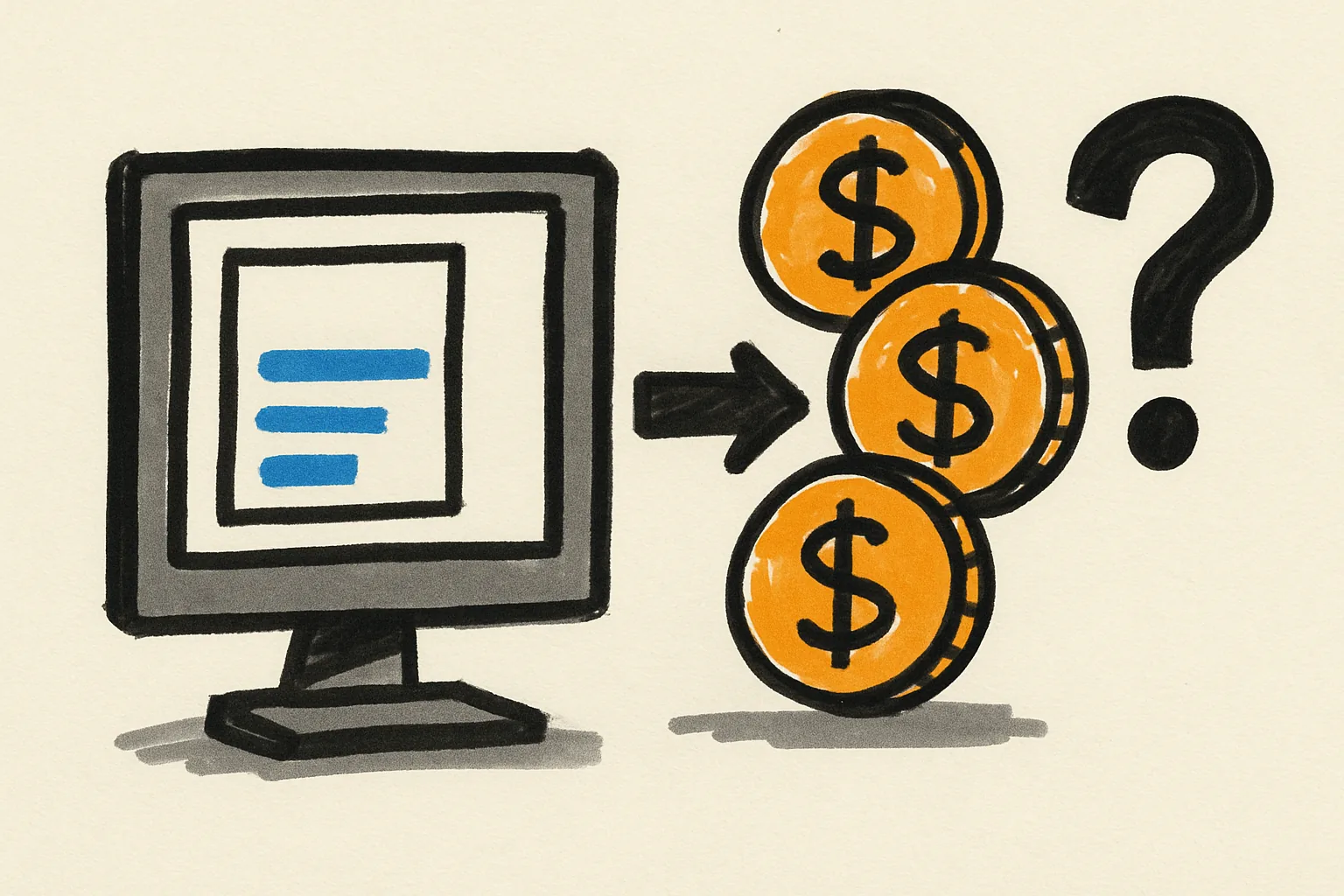
Instant digital delivery sounds simple enough: you pay, and the item arrives almost immediately. In practice, that can mean a file download, a product key, a login for software or a service account, a top-up, or access to digital content. The “delivery” may happen in a chat window, through an email, inside a marketplace message thread, or via a download link. Sometimes it is as neat as clicking a button. Sometimes it is a little messier, and that is where trouble starts.
The big difference between digital goods and physical goods is speed. With a parcel, there is usually some built-in delay. There is time for the seller to pack the item, the courier to move it, and the buyer to notice if something is off. With instant digital delivery, the exchange can be over before either side has really had time to think. That speed can be convenient, but it also changes the risk profile. A scammer can disappear in seconds, and a buyer can receive something that looks valid at first glance but fails later.
That is why instant digital delivery scam prevention matters so much. In digital goods trades, the item itself is often invisible until the very last step. You are not checking a box for scratches or a used seal. You are checking whether a code works, whether a file is clean, whether an account is legitimate, or whether a promised access link actually leads anywhere useful.
How Instant Delivery Works on Classifieds
On classifieds platforms, the flow is usually familiar. A seller creates a listing, describes the digital item, sets a price, and waits for a buyer. The buyer contacts the seller, asks a few questions, and pays through the agreed method. Then the seller sends the item: a file, a code, a login, or another form of access. If everything goes well, both sides close the deal and move on.
The problem is that each stage creates a chance for fraud. A listing may describe one thing while the seller intends to deliver something else. A buyer may send money and then be told to “wait a bit” while the seller prepares the delivery. The “delivery” can be a fake file, a used code, or credentials that stop working as soon as the payment clears. Sometimes the scam is not even hidden very well; it simply relies on the fact that many buyers are in a hurry.
There is also the platform layer to consider. Some marketplaces offer messaging logs, order records, and dispute tools. Others are looser, with more room for direct negotiation and less room for recovery. If you are new to the process, it helps to understand the broader service structure first; the 7 Admister services page is a useful place to see how different platform tools can support safer trading. And if you are not sure how a specific workflow is meant to function, the How Admister works guide can save you from guessing at the wrong moment.
A common point of failure is the move off-platform. A seller asks for payment in a private wallet, a buyer suggests a “faster” method outside the marketplace, or both sides switch to encrypted chat to finalize the deal. That may feel efficient. It also often removes the very records that make it possible to sort out a dispute later.
Common Scam Patterns to Watch For
Instant delivery scams are not always sophisticated. In fact, the most effective ones often depend on urgency, distraction, and a little confidence theater. Here are the patterns that show up again and again.
Non-delivery after payment. The buyer pays, the seller promises instant transfer, and then nothing arrives. The seller may go silent, blame a technical issue, or claim the item was sent to the wrong address.
Fake proof of delivery. A scammer sends a screenshot, a clipped video, or a doctored message that appears to show the item being delivered. Screenshots are easy to fake; a polished one should never be treated as proof on its own.
Stolen or compromised accounts. Some digital goods involve account access. The “seller” may be passing on credentials that were obtained illegally, which can lead to the rightful owner reclaiming the account later.
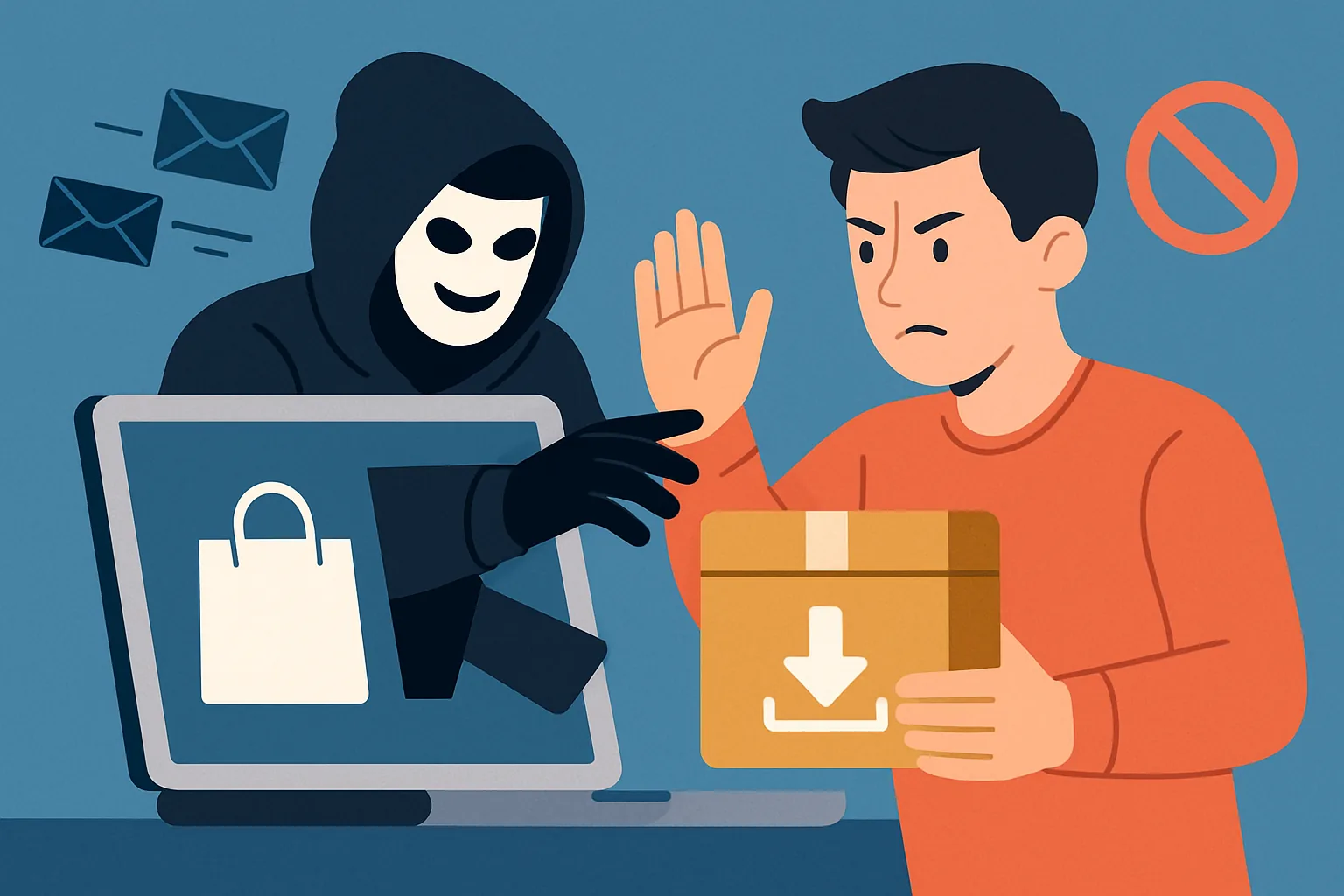
Phishing links. Instead of delivering the item, the scammer sends a link that imitates a platform page, login screen, or download portal. The goal is to collect passwords, codes, or payment details.
Chargeback abuse. In some cases, the buyer receives the digital item and then disputes the payment later, claiming the transaction was unauthorized or the delivery was invalid. Sellers are especially exposed here if they have no records.
Used or blocked keys. A code may appear valid at first but has already been activated, revoked, or restricted. This is common with software licenses, gift cards, and some subscription products.
It is worth pausing on one point: proof can be cheap, but verification takes effort. A message thread, a copied code, or a smiling “delivered” icon does not always mean the transaction was honest. In digital trade, trust is useful, but it should be earned in layers.
Digital Goods Marketplace Safety Basics
Safe trading starts with choosing the right place to trade. A trustworthy marketplace gives you more than a listing page; it gives you structure. Look for seller history, clear rules, visible support paths, and order records that stay attached to the transaction. If the platform makes it difficult to review the basics, that is already a warning sign.
It also helps to understand how a platform supports disputes and communication. If you need help figuring out where to turn, Getting support explains the right route for raising an issue before a small concern turns into a lost payment. Buyers and sellers who know the support process usually make fewer panic-driven decisions.
Another basic rule: keep the deal where it belongs. Off-platform requests are one of the most common ways people lose protection. A seller may offer a discount for paying elsewhere. A buyer may ask for a direct transfer “to save time.” The catch is that the convenience often comes at the cost of records, dispute tools, and platform oversight.
Before you commit, review the seller’s history carefully. Not just the number of completed trades, but the quality of the descriptions, the consistency of feedback, and the age of the account. A clean profile is helpful, but it is not magic. Scam accounts can be polished. That is why platform protections matter too: message logs, payment tracing, and moderation tools all help create a paper trail if something goes wrong.
Buyer Checklist for Preventing Instant Delivery Scams
Buying digital goods quickly does not mean buying blindly. A short checklist can prevent a long headache later.
Verify the listing details. Read the description slowly. Check exactly what is being sold: file, key, subscription, account access, or service. Make sure the listing names the version, region, duration, or other compatibility details that matter.
Inspect seller reputation. Look beyond the headline rating. Read a few recent reviews and notice whether they sound specific or generic. Repeatedly vague praise can be a warning sign.
Use secure payment methods. Choose methods supported by the platform or by the payment system that allow some form of record and dispute handling. Avoid sending money through channels that are hard to trace or reverse.
Confirm compatibility before paying. If you are buying software, check the operating system and regional restrictions. If it is an account or subscription, make sure it fits your device or country. A valid item can still be useless if it does not match your setup.
Ask one clear question. If anything is ambiguous, ask before payment. Honest sellers usually answer plainly. A dodgy seller often responds with pressure, evasiveness, or a flood of unrelated details.
Document the transaction. Save screenshots of the listing, the seller profile, the payment confirmation, and the delivery message. If the product is a code or file, keep a copy of exactly what was received.
A useful habit is to think like a future dispute handler. If you had to explain the deal to a third party tomorrow, would your evidence make sense? If the answer is no, gather more before you pay. That small pause can make all the difference.
Seller Checklist for Safe Instant Delivery
Sellers face a different set of risks. A digital product can be delivered perfectly and still end in a dispute if the terms were unclear or the buyer later claims the item was not as described. Good sellers reduce friction before it starts.
First, keep clear records. Save the listing text, the buyer’s questions, the agreed terms, and proof of delivery. If you are sending files or codes, use a secure delivery method that leaves a trace in the platform conversation or order history. A separate email, a temporary link, or an on-platform message can all work, as long as you can show what was sent and when.
Second, confirm the terms before payment. If the product has region limits, activation steps, or timing restrictions, say so plainly. Buyers are far less likely to complain about a limitation they were told about in advance. The same is true for account-based items, where access rules can be delicate and misunderstandings expensive.
Third, protect your credentials and files. Do not reuse sensitive passwords across different services. Do not hand over more access than the transaction requires. And if you are delivering an account or license, make sure you know what you are allowed to transfer in the first place.
Fourth, be careful with overpromising. Instant delivery should not mean sloppy delivery. If you need five minutes to check a code or prepare a file, say so. Clear timing is safer than pretending everything is ready when it is not.
Finally, consider how you will handle payment disputes. Some buyers will ask questions; some will challenge a transaction later. If your records are incomplete, you are relying on memory, and memory is a weak form of evidence. For sellers who want a broader view of best practices, how to sell on a classified offers a practical complement to this checklist.
What to Do If You Suspect a Scam
If something feels wrong, act quickly. Speed matters because digital scams can move from suspicious to irreversible very fast.
Stop the payment if possible. If the transfer is still pending or reversible, contact the payment provider immediately. Do not wait to “see if it resolves itself.”
Save every piece of evidence. Keep messages, payment receipts, timestamps, listing screenshots, usernames, and any files or links involved. If a link was sent, save the exact URL.
Contact the platform. Report the issue through the official support channel. The faster the report, the better the chance that logs and account details remain useful.
Report fraud. If the transaction involved theft, phishing, or impersonation, use the relevant fraud-reporting path in your region or through the payment provider.
Secure exposed accounts. Change passwords, revoke sessions, and enable extra protection if the scam involved login details, email access, or account credentials.
If the seller gave you a link or file that asked for authentication, treat it carefully. A suspicious download can become a bigger problem if you use the same password elsewhere. And if you are unsure whether a number, account, or contact method is legitimate, it may help to verify it before responding; Checking a phone number can be a simple but useful extra step in some cases.
One more point: do not delete the evidence in frustration. People often clear chats or remove files because they want to “move on.” Understandable, but unhelpful. Keep the trail intact until the dispute is fully settled.
Safer Habits for Future Transactions
The best scam prevention is not a single trick. It is a set of habits that become second nature. Stay on-platform whenever you can. Use the tools the marketplace gives you. Read listings with a skeptical eye, especially when the offer is unusually cheap or the seller is urging immediate action.
Double-check legitimacy before every payment. That includes the seller profile, the product description, the delivery method, and the conversation itself. A real seller does not usually panic when asked for clarification. A scammer often does. Urgency is a classic pressure tactic, and it works because people want to be polite, fast, and efficient all at once.
It is also wise to treat too-good-to-be-true deals as exactly that until proven otherwise. A dramatic discount may be genuine, but it may also be bait. If the price is far below the usual market level, pause and ask why. The answer may be harmless. It may also tell you everything you need to know.
Finally, keep learning. Digital trade changes quickly, and so do the tricks used by fraudsters. If you ever need a refresher on common questions, the Frequently asked questions page can help you confirm basic platform rules before the next transaction. A little preparation goes a long way, especially when the delivery is instant and the margin for error is thin.
In the end, instant digital delivery is not unsafe by default. It is simply unforgiving. That is why good habits matter: careful reading, steady verification, clean records, and a healthy reluctance to rush. In digital goods trades, those are not fussy details. They are the difference between a smooth deal and an avoidable loss.