How to Save Money on Everyday Needs with Used Goods
If your goal is to stretch every ruble, dollar, or euro without making your life more complicated, the smartest place to start is not with dramatic budget cuts. It is with the purchases you already ne
On this page
- Start with the total cost, not the sticker price
- Use local search to cut hidden expenses
- Buy used where depreciation is steep
- Check condition to avoid paying twice
- Compare multiple listings before you decide
- Negotiate with facts, not pressure
- A simple checklist for saving money on classifieds
- Know when not to chase the cheapest option
- Make the marketplace work like a budget tool
If your goal is to stretch every ruble, dollar, or euro without making your life more complicated, the smartest place to start is not with dramatic budget cuts. It is with the purchases you already need to make. Used goods often give you the biggest savings, but only if you avoid the common traps: paying too much, buying the wrong version, or spending extra on delivery, repairs, and repeat replacements. That is where Megainet portal can help: it gives you a local classifieds search where you can compare nearby offers, check real listings, and message sellers before you commit. Used well, it becomes a practical tool for how to save money on everyday needs.
Start with the total cost, not the sticker price
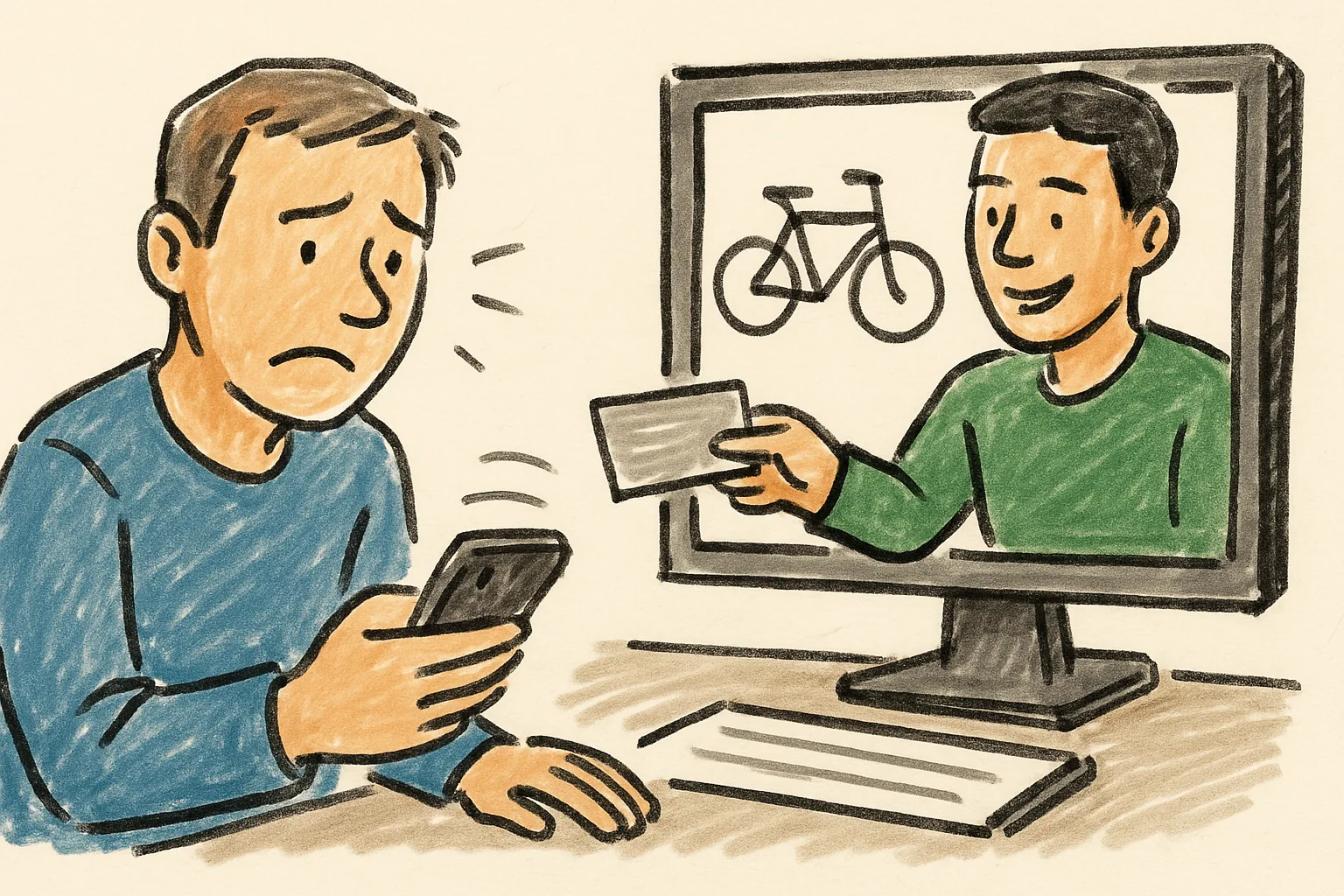
A cheap listing is not always the cheapest choice. The real cost includes the item price, transportation, possible repairs, missing accessories, and the time you spend chasing the deal. If a used chair is half the price of a new one but needs new bolts, new cushions, and two taxi rides to collect, the savings shrink fast.
Before you buy, ask yourself what you would have to add to make the item useful on day one. A laptop may need a charger, a battery, or a fresh drive. A bike may need tires and a tune-up. A kitchen appliance may be fine, but only if it includes the parts you actually need. On Megainet portal, the value is not just in seeing a lower number. It is in comparing nearby listings and narrowing your search to offers that are already closer to your real budget.
Use local search to cut hidden expenses
Delivery often looks convenient, but convenience can quietly erase savings. For low- and mid-value items, local pickup usually costs less than shipping, especially when the seller is already nearby. That matters most when you are buying bulky, heavy, or fragile goods that would otherwise need packaging and transport fees.
Local search also helps you avoid the “small item, big shipping bill” problem. If you need a monitor, stroller, or power tool, it can be cheaper to buy from someone in your own area than to order a discounted item from far away. Megainet portal fits here because it lets you search by location across categories, so you can compare offers that are realistically reachable, not just theoretically affordable.
Buy used where depreciation is steep
The easiest way to save money is to buy things that lose value quickly after purchase. Many items are expensive when new but still work well used. Office chairs, children’s gear, tools, kitchen gadgets, seasonal sports equipment, and some electronics are common examples.
New buyers often overpay for the “new-in-box” feeling even when the item’s real usefulness does not change much. If you are trying to reduce monthly spending, focus on what must be new and what does not. A used item with normal wear can be a sensible purchase if it still performs its job properly. Megainet portal can help you sort through these practical options instead of defaulting to retail pricing.
Check condition to avoid paying twice
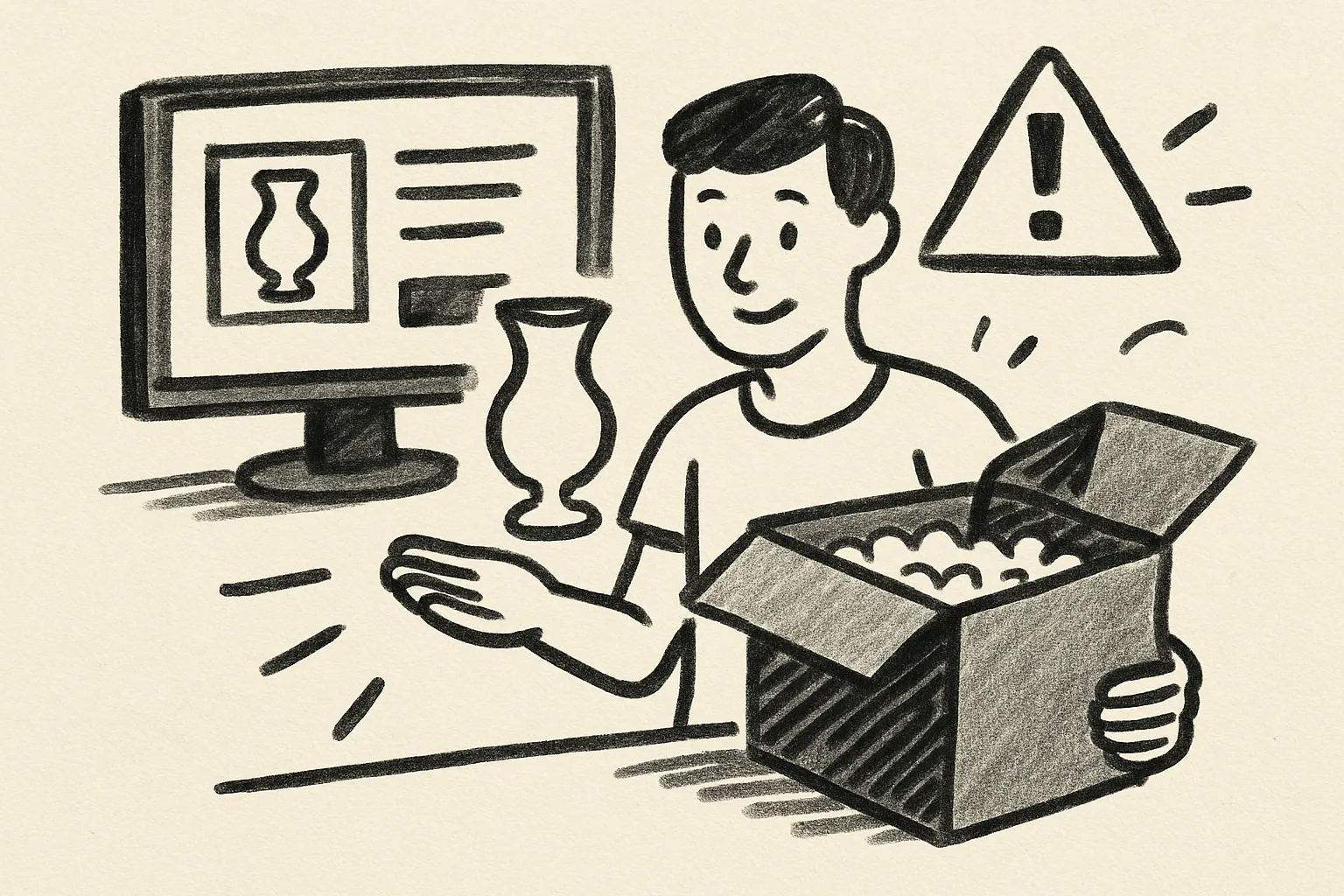
The biggest savings mistake is buying a bargain that fails too soon. A low price is worthless if the item breaks immediately or forces you to replace it before you planned to. That is why it helps to look for signs of real condition, not just a clean photo.
For electronics, ask about battery health, screen damage, ports, missing parts, and repair history. For furniture, ask about stability, stains, odors, and visible damage. For tools and appliances, ask whether everything starts, spins, heats, or locks properly. If the listing is vague, message the seller and ask specific questions. Real listings and buyer-to-seller messaging make this step possible, and that can save you from wasting money on a bad surprise.
Compare multiple listings before you decide
One of the easiest habits that improves your budget is to stop buying the first acceptable item you see. A few minutes of comparison can uncover a better deal nearby, a fuller bundle, or a seller who is more willing to negotiate.
Use a simple comparison rule: look at at least three listings for the same item type. Compare not only the price, but also condition, included accessories, distance, and seller responsiveness. If one listing is cheaper but missing the essential piece you need, it may actually cost more in the end. Megainet portal is useful here because it brings local ads into one place, so comparison does not turn into a long search across unrelated sources.
Negotiate with facts, not pressure
Many buyers feel awkward asking for a lower price, but polite negotiation is normal in classifieds. The trick is to make a reasonable offer based on real details, not vague complaints. If the item needs cleaning, has visible wear, is missing accessories, or has been listed for a while, those are fair reasons to suggest a lower number.
Do not start with an extreme offer unless the listing is clearly overpriced. A respectful message often works better: mention what you noticed, state your budget, and ask whether the seller would consider it. That approach preserves goodwill and often leads to a better price than simply accepting the first figure. The money saved here is direct and immediate, which is exactly why classifieds can beat retail when used carefully.
A simple checklist for saving money on classifieds
- Set your maximum total cost before you browse.
- Include transport, accessories, and likely repairs in your estimate.
- Search locally first to reduce shipping and extra travel costs.
- Compare at least three similar listings before buying.
- Ask precise questions about condition and missing parts.
- Choose used items where price drops fast but usefulness stays high.
- Negotiate politely when the facts support a lower offer.
Know when not to chase the cheapest option
Saving money does not mean choosing the lowest number every time. Sometimes the cheapest item is the one that wastes the most money later. If a device is too old to support the software you need, or a household item is too worn to last, the “deal” is false economy.
It can also be smarter to skip a listing if the seller is unclear, unresponsive, or unwilling to answer basic questions. A slightly higher price from a better-described listing may be the cheaper choice overall because it reduces the risk of replacement or repair. This is where Megainet portal is most helpful as a decision tool: it gives you enough local market context to tell the difference between a real bargain and a misleading one.
Make the marketplace work like a budget tool
Think of classifieds as part of your monthly budgeting, not just as a place to hunt for random deals. When you need something, check local listings first and see whether a solid used option exists. Over time, this habit can reduce your spending on furniture, electronics, hobby equipment, children’s goods, and many other categories without forcing you to give up what you need.
The practical advantage is simple: you pay less for the same function. Megainet portal fits this task because it helps you find nearby listings, compare prices by location, and message sellers before money changes hands. Used with discipline, it turns bargain hunting into a repeatable way to save money rather than a one-off lucky find.