How to Buy Used Clothes Safely Online
Learn how to buy used clothes safely online with seller checks, listing tips, and smart steps for secondhand shopping.
On this page
- How to Buy Used Clothes Safely Online
- Understand the risks and set your buying goals
- Where to find used clothing classifieds
- How to check seller on classifieds
- Read listings carefully before you contact the seller
- Ask the right questions and request proof
- Pay and ship safely
- Inspect the clothes when they arrive
- Final thoughts
How to Buy Used Clothes Safely Online
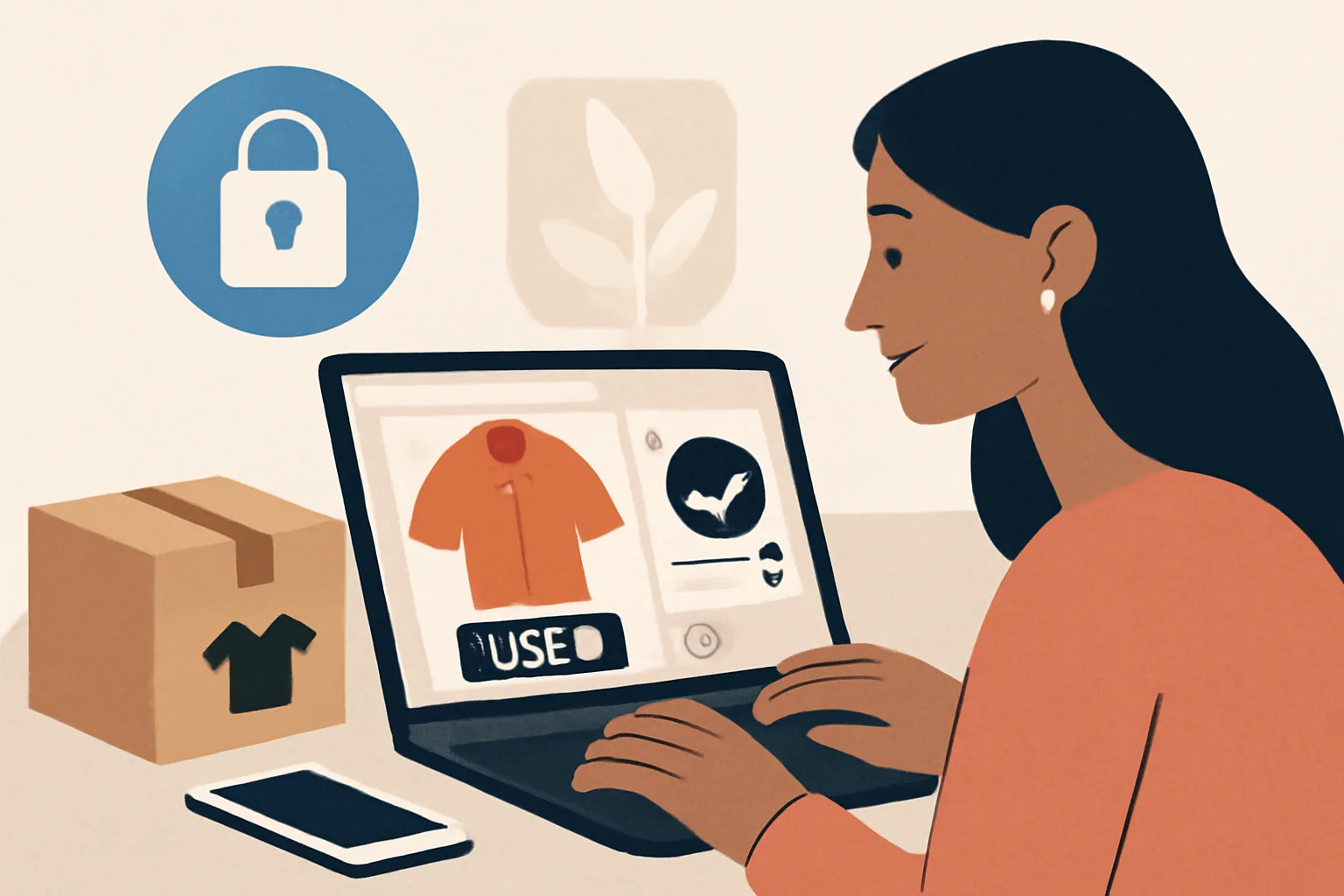
Buying secondhand clothing online can be one of the smartest ways to refresh a wardrobe. You save money, reduce waste, and often find pieces with more character than anything hanging on a fast-fashion rack. But used clothes safely online is not just a matter of clicking “buy” and hoping for the best. The same convenience that makes online resale so appealing also creates room for sloppy listings, misleading photos, and the occasional outright scam.
The good news is that most problems are avoidable if you slow down a little and shop with a checklist in mind. That does not mean turning every purchase into a detective case. It means knowing what you want, knowing where you are shopping, and noticing the small details that separate a genuine bargain from a costly mistake.
Understand the risks and set your buying goals
Before you browse, decide what “success” looks like. Are you looking for a specific item, such as a wool coat, a pair of boots, or a vintage blazer? Or are you browsing for everyday basics you can wear often? The answer matters because the risk tolerance changes. A decorative scarf can survive a little wear; a winter jacket with hidden damage cannot.
When people talk about used clothes safely online, they usually mean buying secondhand apparel without being misled by the listing, overpaying for poor condition, or losing money to a seller who disappears after payment. That covers a few common problems:
- Photos that hide defects or make colors look different from reality.
- Descriptions that leave out stains, stretching, pilling, missing buttons, or repairs.
- Size confusion, especially when tags are missing or the garment has been altered.
- Scams where the seller asks for payment outside the platform and then stops responding.
It helps to decide your non-negotiables up front. Maybe you will only buy items with exact measurements. Maybe you will not consider anything labeled “good condition” unless the seller shows close-ups of seams and cuffs. This sounds picky, but it is really just efficient. You are trying to buy a wearable item, not a future project.
Where to find used clothing classifieds
There is no single place to buy secondhand clothes online. Shoppers usually move between marketplaces, app-based listings, social groups, and specialist resale sites. Each has its own rhythm. Some are built for quick local transactions, others for mail-order shipping, and some mix both.
Used clothing classifieds are often the most flexible option. These are local marketplace listings, forum-style sales boards, neighborhood apps, and classified sections where people post items directly rather than through a curated resale business. The appeal is obvious: lower prices, more variety, and the chance to message the seller directly. The tradeoff is that you usually get less protection and less standardization than on a polished resale platform.
That difference matters. On a resale platform, item categories, payment rules, and dispute systems may be more structured. On used clothing classifieds, you may need to do more of the checking yourself. A jacket might be listed by someone clearing out a closet; a pair of sneakers might come from a small seller who posts irregularly. Neither is automatically risky, but the burden of review shifts to you.
If you are new to this kind of shopping, it can help to read broader safety guidance as well. For practical platform habits, How Admister works explains the basic logic of online listings and communication, while Frequently asked questions covers common concerns that tend to come up when you are comparing sellers and deciding whether a listing is trustworthy.
How to check seller on classifieds
If you only remember one thing, remember this: the seller matters as much as the item. A clean-looking listing from a careless seller is still a problem. The best way to judge a seller is to look for patterns, not just one flattering detail.
Here is a practical checklist for how to check seller on classifieds:
- Profile history: Does the account have a visible history of selling, or does it look brand new? A long-running profile with varied activity is not a guarantee, but it is usually more reassuring than a fresh account with a single listing.
- Listing consistency: Do the seller’s photos, item descriptions, and item categories make sense together? If they sell everything from luxury coats to random electronics overnight, pause and look closer.
- Response quality: Are they answering questions clearly, or are they dodging specifics? A seller who replies with short, vague lines may be hiding something, or may simply not care enough to give you a useful experience.
- Ratings and reviews: If the platform has feedback, read more than the star count. Look for comments about accuracy, shipping speed, and communication.
- Photo quality: Do the pictures show the actual item from multiple angles, or do they look copied from a brand site or pulled from somewhere else?
- Red flags: A rushed sale, urgency to pay immediately, refusal to share measurements, or a story that changes between messages should make you slow down.
One useful test is to ask yourself whether the seller behaves like someone who has actually handled the item. Real sellers can usually describe small things: a faded elbow, a loose hem, a replacement button, a lining that has gone slightly rough. Not every seller will be eloquent, but the details tend to feel grounded.
If the conversation starts to feel off, trust that feeling. Shopping online requires a certain amount of optimism, but not the kind that ignores obvious trouble.
Read listings carefully before you contact the seller
Good secondhand shopping begins with careful reading. The description should tell you enough to decide whether the item is worth a conversation. That means checking more than the size label.
Look for the following details:
- Exact size information: A tag size is only a starting point. Clothes shrink, stretch, and get altered.
- Fabric content: Cotton, wool, polyester, linen, blends — these matter for comfort, fit, and care.
- Condition notes: Search for mentions of stains, fading, piling, cracking prints, loose threads, or missing hardware.
- Measurements: Chest, waist, inseam, shoulder width, sleeve length, rise, or garment length can save you from a poor fit.
- Shipping terms: Check whether the seller ships, who pays, how long it takes, and whether pickup is available.
- Return policy: Some private sellers do not accept returns at all, which makes upfront checking even more important.
Do not assume that “excellent condition” means what you think it means. On classifieds, condition language is often informal. One seller’s “like new” may mean “worn twice”; another seller’s “good” may mean “perfect except for a faded collar.” Read the actual description. If the post is sparse, treat that as a signal to ask more questions, not as a green light.
It is also worth comparing the listing to similar items. If a pair of designer trousers is priced well below other listings and the description is unusually thin, there is probably a reason. Maybe it is a quick sale. Maybe it is damaged. Maybe it is not authentic. The point is not to panic, only to stay alert.
Ask the right questions and request proof
Before you pay, ask for the information that a good listing should already make clear. A serious seller will usually not mind. In fact, many appreciate a buyer who knows what they want.
Useful questions include:
- Can you send additional photos from the front, back, and inside?
- Can you show the label and size tag?
- What are the exact measurements?
- Are there any stains, repairs, fading, or odor issues?
- Has the item been altered, shortened, taken in, or let out?
- Has it been dry-cleaned, machine-washed, or stored with pets or smoke nearby?
When asking for proof, keep the request reasonable. You are not accusing the seller of fraud; you are checking the details. Close-ups of cuffs, seams, zippers, and problem areas are especially useful. For shoes, ask for sole wear and heel condition. For knitwear, ask for pilling and stretching. For coats, request images of lining, buttons, and underarm areas.
If a seller gets defensive about basic questions, that is informative in itself. People who truly want to sell a legitimate item usually understand why measurements and close-ups matter. People who are hiding flaws often act as if your questions are the problem.
One small but important habit: save the conversation. Keep screenshots or platform messages that show what was promised. If there is a dispute later, details matter more than memory.
Pay and ship safely
Payment and delivery are where cautious shopping pays off the most. The safest route is usually the one that keeps the transaction on the platform, uses a protected payment method, and creates a clear record of what was agreed.
Whenever possible, use payment methods that offer buyer protection or dispute options. Avoid sending money through direct transfers, gift-style payments, or any method that makes it hard to recover funds if the item never arrives or is misrepresented. If a seller insists on moving the deal off-platform, ask yourself why. Convenience is one thing. Evading platform safeguards is another.
Shipping details matter too. Confirm the address format, the expected dispatch window, and whether tracking is included. If tracking is available, keep the number and check that it activates in a reasonable timeframe. A vague promise that the item has “already been sent” is not enough.
For local deals, choose a safe meetup point if pickup is available. Public, well-lit places are usually better than a doorstep handoff or an isolated location. If the platform offers escrow, verified payment, or a built-in dispute process, use it. For more on secure transaction habits, Getting support is a useful place to understand what kind of help is available if a purchase goes wrong.
It is also wise to keep your expectations grounded. A good secondhand purchase does not need to be flawless. It needs to match the listing closely enough that you are not surprised by the condition, fit, or authenticity of the item.
Inspect the clothes when they arrive
Once the package arrives, do not let it sit unopened for days if you can avoid it. Inspect the item as soon as possible while the delivery record is still fresh. This is especially important if you think there may be a problem.
Start with a quick overview. Does the garment match the photos? Is the color similar enough? Does the size feel plausible? Then check the details:
- Look for stains, holes, tears, odor, and missing parts.
- Compare the item to the measurements or descriptions given by the seller.
- Test zippers, buttons, snaps, belts, linings, and adjustable pieces.
- Check areas that wear first: underarms, cuffs, collars, hems, soles, and seams.
- If the item was supposed to be unworn or lightly used, see whether that claim holds up.
If there is a mismatch, document it clearly. Take photos in good light. Keep the packaging if possible. Save the listing, the messages, and any tracking details. Then contact the seller promptly through the platform and explain the issue in plain language. Most platforms work better when you act quickly, before a dispute window closes.
If the seller responds helpfully, excellent. If not, follow the platform’s resolution process and provide your evidence. If you are unsure how to proceed, review the site’s help materials again or contact support. The point is to preserve your options. Delay helps the wrong person.
And if everything checks out? Great. Wash or air the item as appropriate, note the seller for future reference, and enjoy the fact that you managed to buy used clothes safely online without drama. That may sound ordinary, but in the secondhand world, ordinary is a win.
Final thoughts
Secondhand clothing shopping online is not complicated once you build a habit of careful reading, clear questions, and sensible payment choices. The best buyers are not the most suspicious; they are the most attentive. They know what they want, they notice what is missing, and they do not let a good price override basic caution.
If you remember the sequence — define your goal, choose the right marketplace, check the seller, read the listing, ask for proof, pay safely, and inspect quickly — you will avoid most of the common traps. That leaves you free to enjoy the real benefit of online resale: finding clothes with history, and making them part of your own.