Used Item Shipping Safety Tips
Learn used item shipping safety tips to inspect, pack, label, and ship secondhand goods so buyers receive items as described.
On this page
- Why Shipping Used Items Needs Extra Care
- Pre-Shipping Inspection: Check the Item Before You Pack
- How to Package Used Items Safely
- Labeling, Documentation, and Honest Descriptions
- Choosing the Right Shipping Method and Carrier
- Special Safety Tips for Common Used Item Categories
- Preventing Loss, Damage, and Return Problems
- Final Checklist Before You Send It
Why Shipping Used Items Needs Extra Care
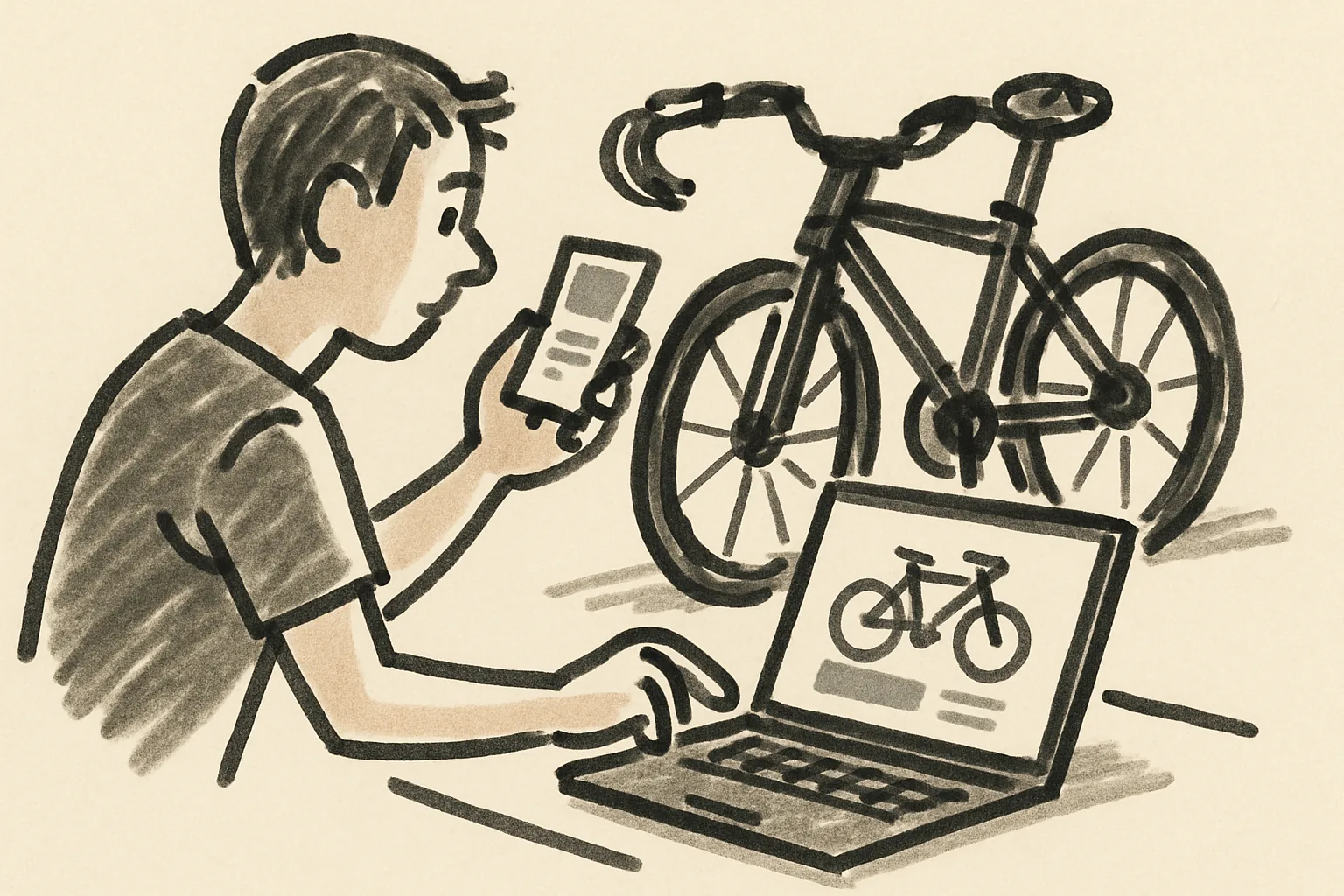
Used items travel with history. A new lamp leaves the factory in one condition, but a secondhand lamp may already have a loose switch, a chipped base, or a box that has been opened three times before it reaches you. That matters because the seller is shipping both the item and its past, so practical used item shipping safety tips should be part of every sale. If the buyer finds a hidden fault, the package can become a dispute instead of a sale.
Transit is rough on secondhand goods for a simple reason: they often have weaker points. A book with a torn spine, a chair with old screw holes, or a blender with a hairline crack needs more care than a boxed retail product when shipping used items online. One bump can turn a usable item into a return request. One leak can ruin the whole parcel.
Careful preparation protects both sides. The seller avoids claims about damage that happened after handoff. The buyer gets a package that matches the listing. That is the whole game. If you sell through How Admister works, the shipping step should be treated as part of the listing itself, not an afterthought.
Pre-Shipping Inspection: Check the Item Before You Pack
Start with a full inspection before the item goes near a box. Look for scratches, cracks, dents, missing screws, loose seams, stains, odors, and anything that shifts when you shake it gently. If the item has movable parts, test them twice. A drawer that sticks once is a note for the buyer; a drawer that falls out in transit is a problem.
Check every accessory against the listing. For electronics, that means cables, remote controls, adapters, manuals, and batteries if they belong with the unit. For furniture, it means bolts, shelves, feet, and assembly hardware. A missing part does not vanish because the listing sounded enthusiastic. It still has to be named.
Look for contamination. Used clothing may carry pet hair. Kitchenware can hold grease in seams. Shoes may have grit in the soles. Clean the item before packing and inspect again after cleaning, because soap can reveal a crack that dust hid. If you are unsure how to describe a condition issue, ask the buyer service team through Getting support before you ship.
Liquid residue deserves special attention. A bottle that seems empty can still leak in a warm van. Tilt it over paper towel for 30 seconds. If there is any dampness, stop and reseal or choose a different shipping plan. That one small check can save a refund.
How to Package Used Items Safely
Packaging starts with cleaning, not cardboard. Wipe the item dry, remove loose dirt, and let it air out if it has an odor. Moisture trapped inside a parcel can stain clothing, warp paper goods, and soften tape. Clean first. Pack second.
Use the right cushioning for the item type. Soft clothing can be folded in a poly mailer or small box if it will not crush. Glassware needs wraps around each piece, then a snug inner box, then room to absorb a hit in the outer box. Electronics should be wrapped so buttons, screens, and plugs cannot press against hard edges. A phone in a padded envelope is asking for a cracked corner. A phone in a fitted box with cushioning is a different story.
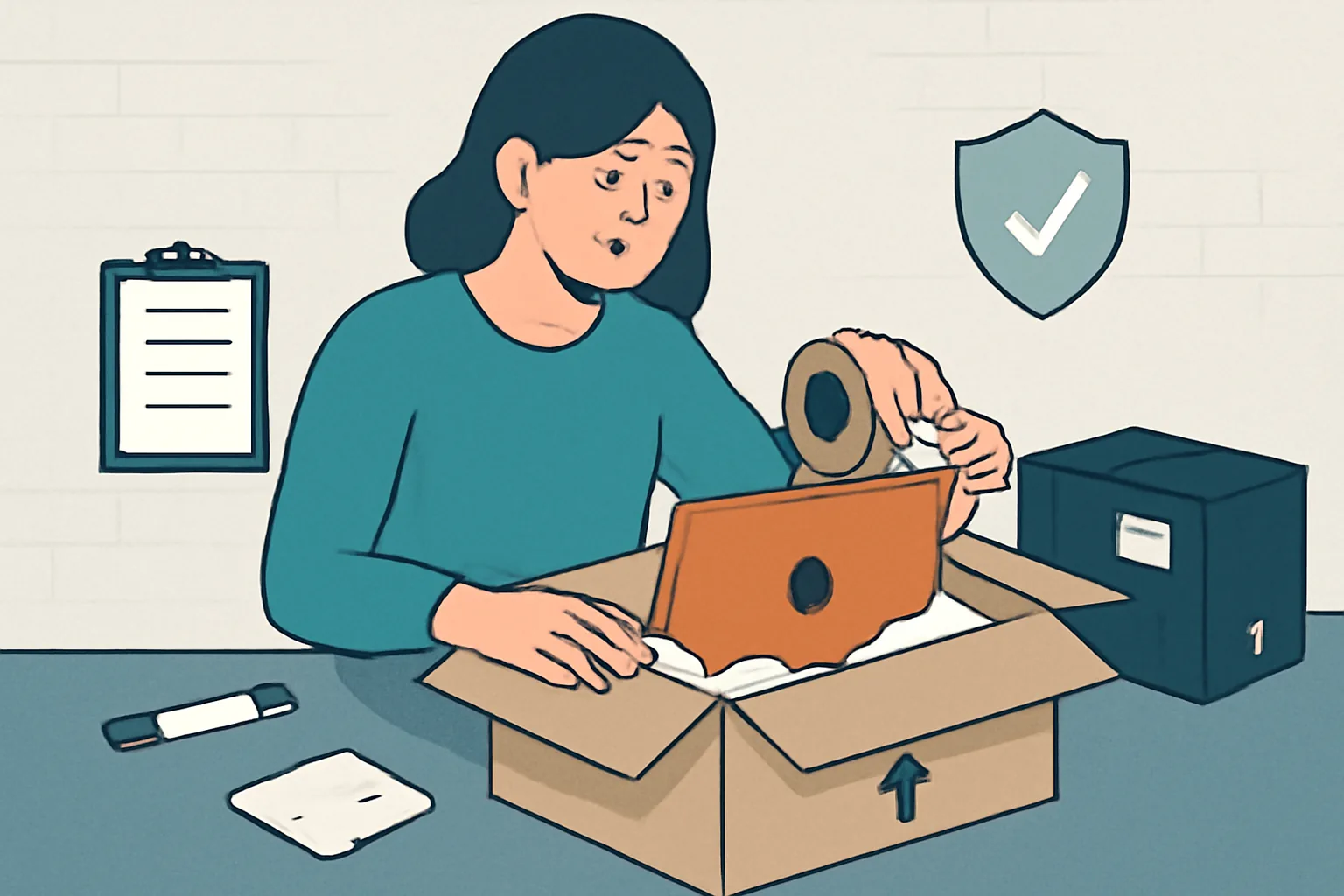
Double-boxing helps with fragile used items, especially when the original retail box is already worn. Put the item in an inner box with cushioning, then place that box inside a larger outer box with more padding on every side. Leave no empty corners. Empty space invites movement, and movement creates damage. For sellers who need a broader packing reference, The 7 Admister services gives a useful starting point for service choices that can affect how carefully you plan the shipment.
Seal every opening with strong tape. Do not trust old adhesive on a reused carton. Reinforce seams, flaps, and any area that has been cut before. If the item has sharp edges, cover them so they do not slice the box open from the inside. That is a common failure point with tools, metal brackets, and framed items.
Choose materials that match the item and the route. Lightweight books do not need the same packing as a ceramic vase. The goal is not to make every parcel heavy; the goal is to keep the item still. Still is safe.
Labeling, Documentation, and Honest Descriptions
Label the parcel clearly with the recipient name, address, postal code, and any carrier-specific details required at drop-off. If the item needs special handling, mark it in the order notes rather than decorating the box with warnings that the carrier may ignore. A bright sticker is not a guarantee, but accurate information is essential.
Photograph the item before packing, during packing, and after sealing the box. Three stages are better than one. Capture the front, back, serial number if visible, and any flaw you mentioned in the listing. If the buyer later says the scratch was hidden, those photos matter more than a long message thread. They show condition at the point of shipment.
Write descriptions that match what the photos show. If a jacket has a worn cuff, say so. If a lamp is missing its original shade, say that too. A buyer is less likely to dispute a known flaw than a surprise flaw. That is not theory; it is ordinary human behavior.
Keep the order note short and specific. Include the contents, the number of boxes if there is more than one, and any care instruction that matters for handling. If you sell delicate items often, it helps to use the same record-keeping habit every time. The seller knows what was sent. The buyer knows what to expect. Both sides have fewer arguments.
Choosing the Right Shipping Method and Carrier
Shipping method should match the item, not the seller’s convenience. A low-value paperback can move through a standard tracked service. A fragile vintage radio may need insurance, tracking, and signature on delivery. A heavy chair with detachable legs may need a carrier that accepts oversize parcels, even if the cost is higher.
Tracking helps in two ways. First, it confirms movement. Second, it creates a timestamped trail if the parcel goes missing. Insurance matters when the item has a value the seller cannot easily replace. Signature-required delivery adds one more layer when the item is expensive, rare, or easy to leave on a doorstep. None of those options stop damage by themselves, but they improve the outcome when something goes wrong.
Ask one practical question: what would hurt most if this item were lost, delayed, or crushed? That answer should guide the service level. A $20 shirt and a $200 camera do not belong on the same shipping plan. A seller who treats them the same is courting trouble.
Carrier rules also differ on batteries, liquids, and sharp objects. Check the service before you print a label. A parcel refused at the counter can waste a day, and the buyer may already be waiting. If you need help with service choices, the FAQ at Frequently asked questions — Admister is the right place to start.
Special Safety Tips for Common Used Item Categories
Electronics need anti-static care, padded corners, and loose cables tied so they do not snap plugs or scratch screens. Remove batteries if the listing allows it and package them separately if required by the carrier. If the item has a fragile display, protect the front face with a rigid layer so pressure does not land directly on glass.
Clothing should be clean, dry, and folded with tissue or clean paper if it is delicate. A sealed bag helps when the item might pick up moisture in transit. Shoes should be stuffed so they keep shape. A pair packed flat can arrive with bent heels and no buyer will thank you for that.
Books are easier, but not easy. Corner wear happens fast, so wrap the book in paper or a sleeve before boxing it. If you ship several books together, keep them tight so the corners do not rub. A loose stack rattles. Rattling makes dents.
Glassware and ceramics need individual wrapping, then separation inside the box. Never let two hard surfaces touch. A mug shipped inside another mug may sound clever until the outer one breaks and chips the inner one. Tools require special attention to sharp edges and grease. Wipe them clean, cover points, and secure any moving part. Furniture should be disassembled when practical, with bolts taped in a labeled bag and fragile joints padded before shipping.
Items with batteries or liquids need the strictest check. A swollen battery should not be shipped as-is. A half-full bottle can leak from pressure changes. Stop and reassess before packing. The parcel is not the place to discover a chemistry problem.
Preventing Loss, Damage, and Return Problems
Proof protects the seller. Save photos, weight records if you have them, the tracking number, and the receipt from drop-off. If the item goes missing, these details make a claim possible. If the buyer says the parcel arrived open, the record shows whether the box was sealed when it left your hands. That is not paperwork for its own sake; it is evidence.
Insurance is worth using when the item value justifies the premium. Read the terms before you buy it. Some policies exclude poor packaging, which means weak packing can void the claim. That is a painful lesson, and an expensive one. Pack as if the insurer will inspect the box.
A secure handoff matters too. Use a staffed counter when possible. Keep the receipt. If the carrier offers live scan tracking, check that the parcel is scanned before you leave. A package that never enters the system is a common source of disputes, and the buyer rarely wants to hear that the parcel was “definitely dropped off.”
If a complaint comes in, reply with the facts first: item condition, packing steps, tracking status, and any photos you have. Avoid guessing. If the buyer reports damage, ask for photos of the box and the item before offering a resolution. Most claims become easier when handled with calm records instead of defensive language. If the issue involves payout timing or account action, Getting support explains the route for account-specific help.
Final Checklist Before You Send It
- Inspect the item for damage, missing parts, leaks, and contamination.
- Clean and dry the item before packing.
- Photograph the item, the flaw if any, and the sealed parcel.
- Wrap fragile parts separately and stop movement inside the box.
- Use strong tape on every seam and flap.
- Match the shipping method to value, fragility, and carrier rules.
- Add tracking, and insurance if the item needs it.
- Keep the tracking number, receipt, and order notes.
- Check that the address, name, and box count are correct.
- Hand the parcel to the carrier only after the final seal is secure.
If one item on that list is missing, pause. Repack it. A five-minute delay beats a five-day claim.