How to Buy Used Baby Items Safely Online
Learn how to buy used baby items safely online with tips on checks, recalls, seller questions, and what to avoid before paying.
On this page
- Why Buying Used Baby Items Can Be a Smart Choice
- Check Safety First Before You Shop
- Choose Trusted Places to Buy Second-Hand Kids Items
- Inspect Listings Carefully Before You Pay
- Ask the Seller the Right Questions
- Red Flags That Mean You Should Walk Away
- Clean, Test, and Set Up the Item Safely at Home
- Build a Safe Buying Routine for Future Purchases
Why Buying Used Baby Items Can Be a Smart Choice
Buying used baby items can save money fast, and that matters when a child outgrows things in months, not years. A stroller used for 8 months, a high chair used for 1 child, a changing table used for 2 years: these are exactly the kinds of purchases many families resell with plenty of life left. The best part is simple. Babies need a lot, then they need the next size.
Second-hand shopping works well for items that are durable and easy to inspect, and think baby clothes, swaddles, blankets, bath seats, wooden toys, diaper bags, and some nursery furniture. Some parents also buy used strollers, carriers, and baby swings if the seller can show the exact model and condition. That said, not every baby item belongs in the used pile, so it helps to know how to buy used baby items safely online before you commit.
The main concern is safety, not thrift. Broken fasteners, hidden wear, missing manuals, and recalls can turn a bargain into a problem in one afternoon. A crib rail that looks fine in a photo may fail under pressure. A car seat with an unknown history is a different matter entirely, which is why used baby gear safety should always come before price.
Check Safety First Before You Shop
Start with the item category. Some products are safer to buy used than others, especially items with no built-in crash protection or sleep function, and clothes, books, toys without small loose parts, and many nursery organizers are usually easier to judge. Car seats, crib mattresses, and anything meant for sleeping need far more scrutiny when buying second-hand kids items.
Recalls matter. Check the exact model number before money changes hands, not after pickup. If a seller cannot provide the model number, that alone is a warning sign. Expiration dates matter too, especially for car seats, and a seat made 7 years ago may no longer be acceptable even if it looks clean.
Missing parts are not small details. A stroller missing its brake clip, a high chair missing the tray lock, or a baby gate missing the wall mount is not complete. Wear and tear counts even when the item still “works.” Frayed straps, cracked plastic, bent frames, and faded labels can point to stress that is not obvious in one photo.
Some items are better bought new. A car seat is the clearest example because you may never know if it was in a crash, dropped hard, or stored in extreme heat, and crib mattresses are another cautious buy, since sagging and hidden contamination can be hard to judge. If you are unsure, move on. There will be another listing.
Choose Trusted Places to Buy Second-Hand Kids Items
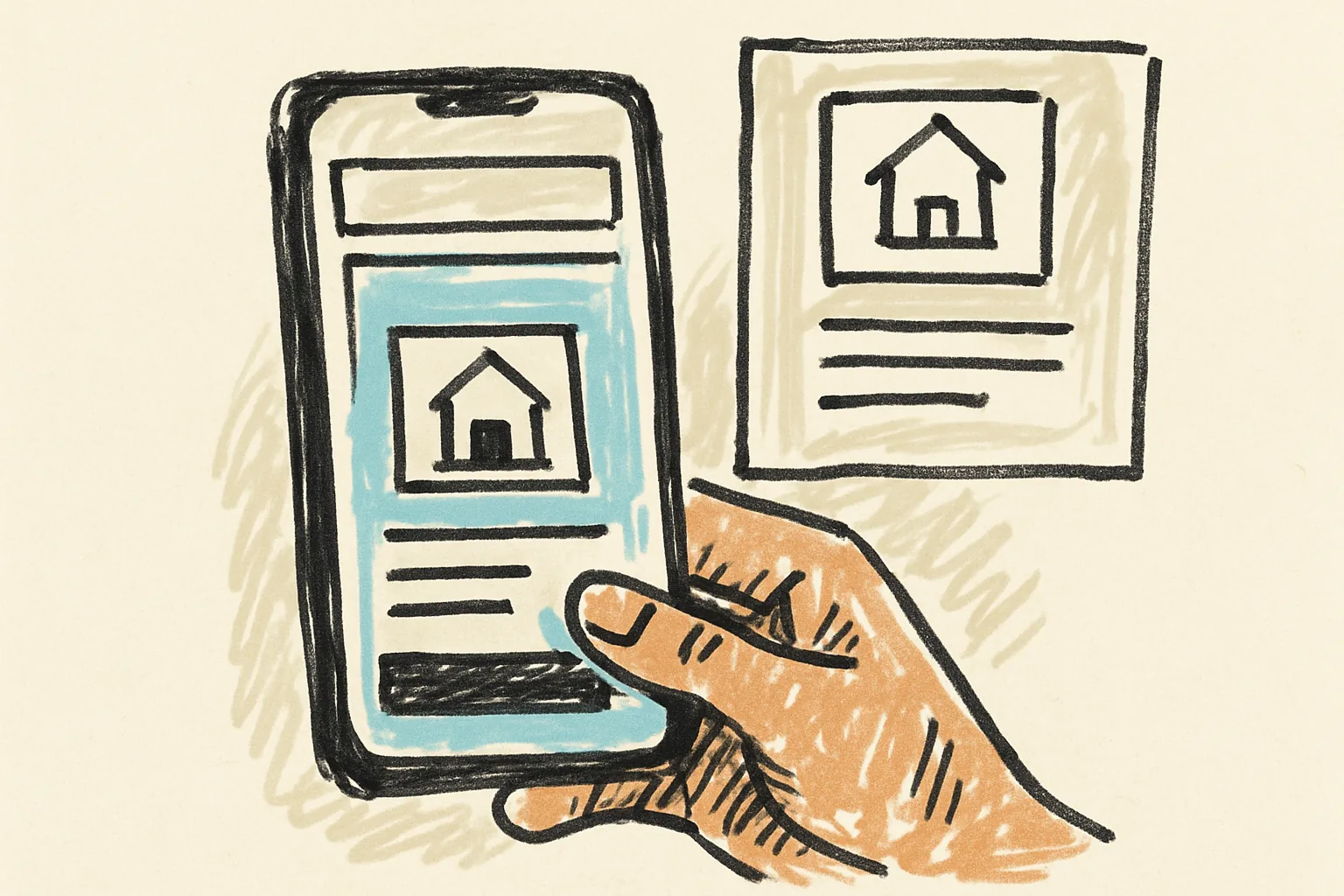
Local marketplaces can be useful because you can inspect the item before you pay. Parent groups are also common, especially when sellers are clearing out gear from children close in age. Resale apps and reputable consignment sellers offer another layer of structure, since they often keep product photos, messages, and payment records in one place.
The best seller listings are usually plain and specific, and they show the whole item, close-ups of damage, the brand name, the model number, and a photo of any label. They also say whether the item comes from a smoke-free or pet-free home, and whether pickup or shipping is available. If a seller gives only one blurry photo, that is not enough.
Transparency around pickup and shipping matters because it tells you how much control you have over the handoff, and local pickup lets you check buckles, hinges, and fabric before cash changes hands. Shipping can work for smaller items, but only if the seller packages the product properly and sends enough photos to prove condition before you commit.
If you want a broader process for buying second-hand goods online, the guidance in How Admister works can help with the basics of checking listings and understanding what information should be available before you buy. The principle is the same here: clear details beat vague promises every time.
Inspect Listings Carefully Before You Pay
Read the description twice. Then read it again. The first pass tells you what the item is; the second pass tells you what may be missing, and look for the brand, product line, size, age range, and any mention of defects. If the listing says “good condition” but gives no details, treat that as empty language.
Check the model number against the manufacturer’s product page or instruction manual. A seller may call something “universal” when it is not. For baby gear, that can matter. An universal tray or universal harness often fits less neatly than the seller thinks, and fit is part of safety.
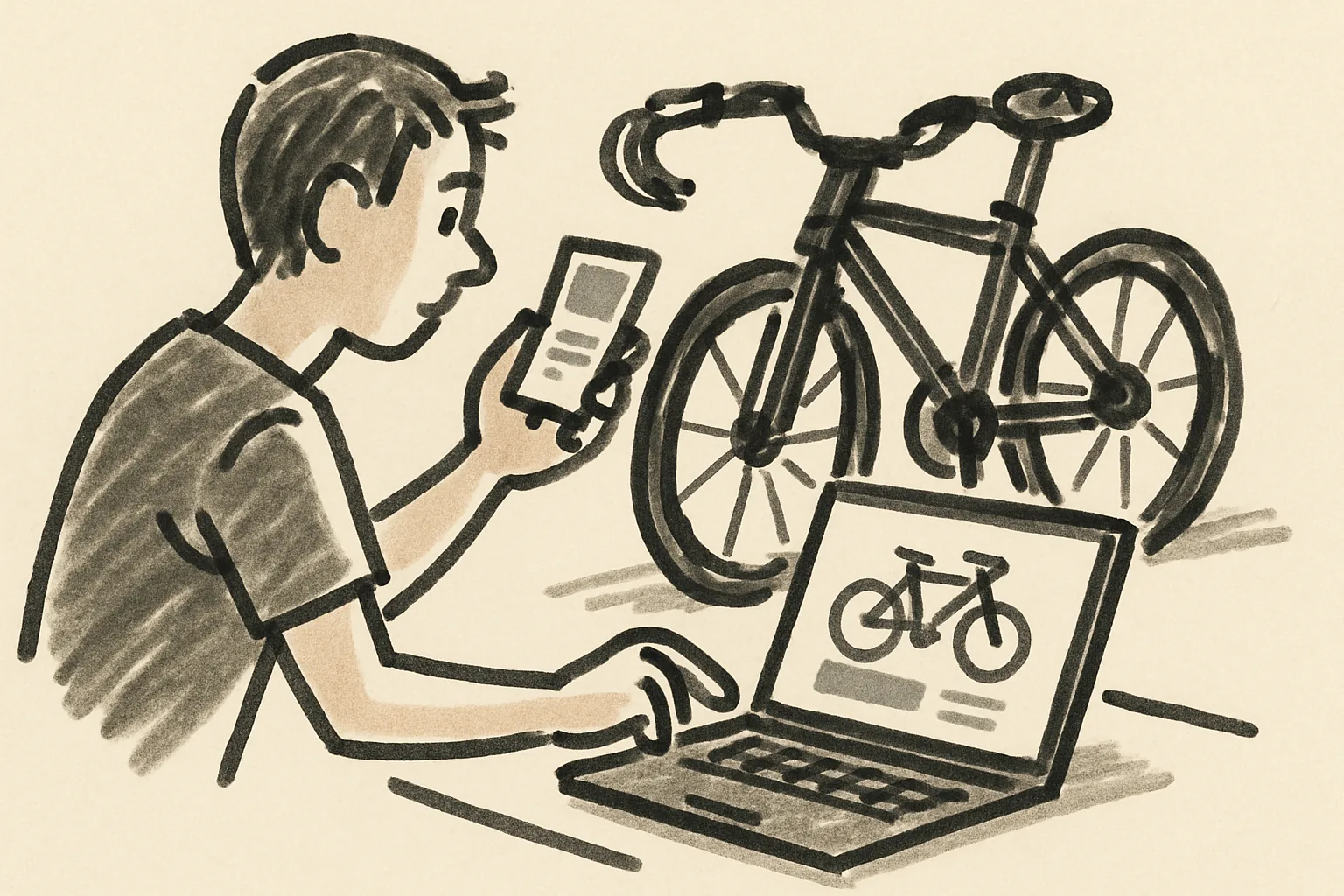
Ask for extra photos before paying. Request close-ups of seams, buckles, wheels, brake pedals, locking hinges, labels, and any repaired area, and for a stroller, ask for photos of the folding mechanism and the underside. For a high chair, ask for the leg joints and strap anchors. If the seller hesitates, there may be a reason.
Confirm what comes with the item. A swing without the power cord, a cot without the guardrail, or a carrier without the insert may be incomplete, and manuals matter more than people think, because correct assembly is not guesswork. If the item has safety components, such as a five-point harness, locking clips, or a tether, those pieces need to be present and intact.
Keep one rule in mind: no full check, no payment. That rule saves money and worry.
Ask the Seller the Right Questions
Age is the first question. Ask when the item was bought and when it was last used. A stroller used for 3 years and stored indoors is a different case from one kept in a hot garage for 3 summers. Usage history matters because sunlight, moisture, and repeated folding all leave marks that photos may hide.
Ask about smoke and pet exposure. Babies spend time close to fabrics, foam, and straps, so odors and residue matter more than many buyers expect, and you do not need a long backstory, just a direct answer. “Smoke-free home?” is enough. “Any cats or dogs?” is enough too.
Cleaning and repairs should be part of the conversation. Ask whether the seller has washed covers, disinfected hard parts, replaced batteries, or repaired any broken piece. If something was fixed, ask how and by whom. A home repair can be fine on a toy bin; it is much less fine on a lock or restraint system.
Accident history is the blunt question, and it should be asked plainly. Has the item ever been in an accident? Has it ever been returned because of a safety issue? If the seller says “I think not” or “probably not,” that is not a solid answer, and for a car seat or stroller, uncertainty is enough reason to walk away.
If you need help deciding what to ask before a purchase, the checklist in Frequently asked questions — Admister can be an useful reference point for structured questions and clear expectations. Short questions often surface the best answers.
Red Flags That Mean You Should Walk Away
Missing labels are a problem. So are torn safety tags, scratched-off brand names, and photos that crop out the critical parts, and a listing with no model number makes recall checking difficult. Without that number, you are shopping blind.
Damage to straps, buckles, and locking mechanisms is another hard stop. A baby carrier with a frayed strap may still “look fine,” but straps carry weight. A folding stroller that does not lock cleanly can collapse at the wrong time, and broken plastic on a rocking base or high chair hinge is not cosmetic. It is structural.
Watch for unusual odors. Smoke, mildew, and strong perfume can signal poor storage or heavy masking. Odd smells also make cleaning harder because they can cling to foam and fabric. If you can smell a problem from the photos’ description alone, trust that instinct.
Vague answers are a red flag, and so is urgency. “Need gone today” can be harmless, but “must sell now, no questions” often means the seller does not want scrutiny, and if the item seems too cheap for no reason, ask why. Sometimes the reason is simple. Sometimes it is a damaged latch, a missing bolt, or a safety issue the seller does not want to spell out.
One more warning sign: a rushed listing with stock photos only. Real baby items have scuffs, folds, labels, and tiny marks. No marks at all can mean the seller never opened the box, or it can mean the seller did not want you to inspect it. Either way, ask for more or pass.
Clean, Test, and Set Up the Item Safely at Home
Before a child uses anything, clean it according to the manufacturer’s instructions. That sounds basic, but it matters because some fabrics can be washed, some plastics need mild soap, and some electronics should not be soaked, and if the manual is missing, look up the model online and follow the current directions. Never assume all baby items handle the same cleaner.
Assemble the item carefully. Use every screw, clip, and bracket that belongs there. If the item came partially assembled, do not skip the last step because it “looks close enough.” A stroller wheel installed one notch off can wobble, and a cot assembled with one wrong bolt can shift under pressure.
Test every function before use. Open and close the stroller 5 times. Lock and get the brake. Tighten the harness, then loosen it again. For a high chair, check that the tray locks, the legs stay level, and the restraint system adjusts properly. For a toy or seat with electronics, replace batteries if needed and confirm the battery compartment closes securely.
Place the item in a safe setting first. Let a baby try it only after you have checked stability, fit, and function yourself, and if anything squeaks, sticks, or bends, stop there. A tiny wobble today can become a real failure later.
Build a Safe Buying Routine for Future Purchases
Create a repeatable process and follow it every time. First, decide whether the item is safe to buy used. Second, check the model number and any recall history, and third, inspect photos and ask questions before paying. Fourth, clean and test the item before it reaches a child. That order saves time because it keeps you from chasing deals that should never have been considered.
Save sellers who provide good listings. A parent who posts clear photos, names the model, and answers questions in two messages is worth remembering, and the next time you need a winter suit or a spare booster seat, you will already know where to look. That shortcut is practical, not sentimental.
Keep a recall-check habit. Make it part of the purchase, not an afterthought. A saved bookmark, a notes app entry, or a recurring reminder can help. If you buy used baby items often, this one habit can prevent a bad purchase on a busy day.
Know when to buy new instead of used. If the item has a hidden history, a short lifespan, or a direct safety function, new is the cleaner choice. Car seats are the obvious one. Sleep items deserve caution too. Some categories simply do not reward thrift enough to justify uncertainty.
If a purchase still feels uncertain, ask for more help before paying, and a second opinion on photos or a seller’s answer can save you from a mistake that costs more than the item itself. For cases where you need support with a platform or seller issue, Getting support — Admister explains where to go next.