How to Choose a Safe Meeting Spot for Buying and Selling Used Items
Learn how to choose a safe meeting spot for buying and selling used items with practical tips on public places, lighting, and access.
On this page
- How to Choose a Safe Meeting Spot for Buying and Selling Used Items
- 1. Why meeting spot choice matters
- 2. Set the basic safety criteria
- 3. Compare the best types of meeting locations
- 4. Check the spot before you agree
- 5. Match the location to the item being sold
- 6. Reduce risk during the exchange
- 7. Know when to change the plan
How to Choose a Safe Meeting Spot for Buying and Selling Used Items
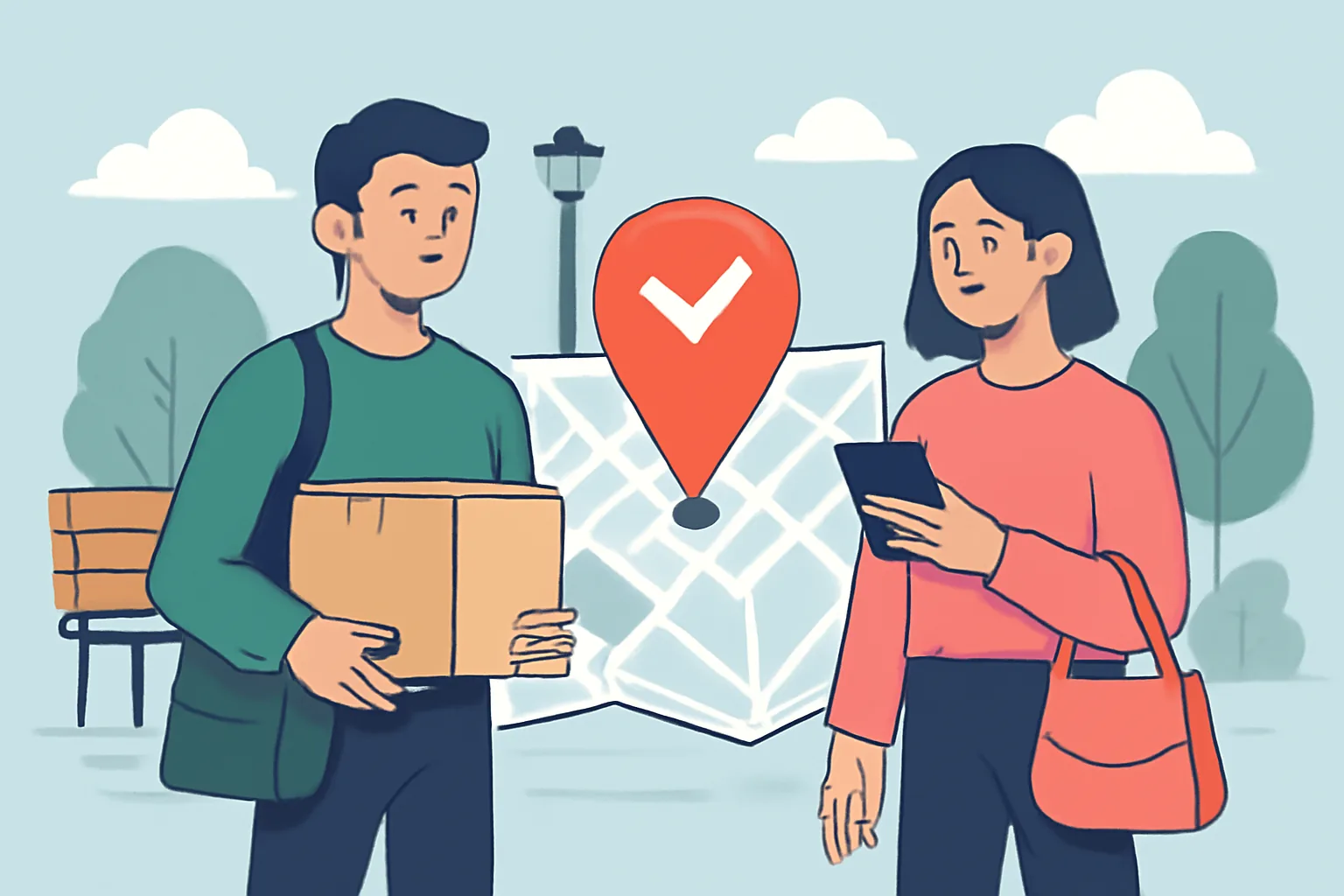
A good meetup spot can make a used-item sale feel ordinary instead of stressful. The right place lowers the chance of theft, cuts awkward delays, and helps both people keep the transaction focused. That matters even for a simple chair, a phone charger, or a secondhand bike.
Most problems start before anyone touches the item. The buyer arrives late. The seller brings cash but no change. Someone feels watched. A safe meeting spot solves many of those small problems before they grow.
1. Why meeting spot choice matters
Meeting in a quiet driveway or a secluded parking lot may seem convenient, but convenience is not the same as safety. A public place gives both sides witnesses, clear exits, and a setting where odd behavior stands out faster. A person is less likely to try anything reckless when other people are close by.
That is why choosing How Admister works in the real world starts with location, not price. If the spot feels awkward, the deal often feels awkward too. People notice.
The location also affects trust. A buyer usually feels better handing over cash where staff, cameras, and other customers are nearby. The seller gets the same comfort in return. If the spot is predictable, the exchange usually stays short and calm.
Even a perfect listing can go wrong at a bad location. A seller may bring a laptop, only to discover there is no signal for a quick payment check. A buyer may park far away and decide the area feels off. One bad choice can cancel the sale in 3 minutes.
2. Set the basic safety criteria
Start with public visibility. The spot should be easy for strangers to see from the street, sidewalk, or entrance. Hidden corners invite trouble. Open areas do not promise safety, but they make risky behavior harder to hide.
Good lighting matters too, especially if the meetup happens near sunset or after work. Dark lots and broken lamps create blind spots. A bright storefront or a staffed lobby is usually better. Short sentence. Better lighting means better awareness.
Foot traffic helps. People passing by, staff walking through, and nearby customers all make the setting less isolated. A nearly empty lot at 8 p.m. sends a different message from a busy café at 4 p.m. That difference is not subtle.
Easy exits matter for both sides. You want a place where you can leave without walking through a maze of hallways or a fenced area. If something feels wrong, the ability to step away fast is worth more than a few extra parking spaces.
Cell service matters because plans change. A dead zone can make messaging, calling, and sharing a live location frustrating at the exact moment you need them most. If the signal drops at the edge of the lot, pick another lot. Simple.
Access to help matters as well. A spot near staff, security, or a help desk gives you a way to raise a concern quickly. If you are arranging a sale through a platform, keep the basic support link handy, and if you need help after a problem, see Getting support. A parking lot with no staff is not the same as a staffed entrance.
3. Compare the best types of meeting locations
Police station lobbies are a common choice because they signal caution and usually discourage bad behavior. Some departments also have designated exchange areas. If your local station offers that option, it is hard to beat for low-value and mid-value items that fit in a bag or box.
Busy coffee shops work well for small items. A phone case, headphones, books, or game controllers can be checked at a table without drawing much attention. The tradeoff is clear: you get visibility and light, but you also need to avoid crowding other customers. Keep it polite.
Shopping center parking lots can work if they are busy, well lit, and close to store entrances. The best version is usually near an anchor store or a clearly marked pickup zone. A nearly empty strip mall lot is not the same thing. One is public; the other is just large. These are among the best places to meet for selling used items when the item needs vehicle access.
Gas station forecourts, library entrances, and bank parking areas sometimes work for quick exchanges, but each one needs a reality check. Some are too busy for a careful inspection of the item. Others are too quiet after a certain hour. Ask whether the place still feels active at the time you plan to meet, not just during the day. These can be safe public places for local item exchanges when they are active and well lit.
For many people, the safest answer is boring. That is fine. Boring is good. A place with staff, cameras, and regular traffic usually gives you more room to leave if the buyer is late, confused, or pushy.
| Location type | Best for | Main advantage | Main drawback |
|---|---|---|---|
| Police station lobby | Small to medium items | Strong public visibility | Limited hours at some stations |
| Busy coffee shop | Compact items | Lighting and foot traffic | Not ideal for large items |
| Shopping center parking lot | Items that need vehicle access | Easy parking and quick departure | Varies by time of day |
| Library or bank area | Short daytime meetups | Structured setting | Rules may limit transactions |
4. Check the spot before you agree
Do not assume the spot works just because it sounds safe. Check opening hours first. A café may close at 6 p.m. A station lobby may have restricted access on weekends. If the place shuts early, the plan fails before it starts.
Look for parking before you confirm. If the buyer has to circle the block for 15 minutes, frustration rises. If the seller needs to unload a heavy box, a close parking space matters even more. A good meetup spot saves steps.
Camera coverage matters, even if you cannot see the cameras yourself. Ask whether the entrance, lobby, or lot is monitored. You do not need a surveillance map. You just need enough confidence that the area is not invisible.
Restroom access can matter during longer meetups or when one person is waiting for someone else to arrive. A public indoor place often gives you that option, while an outdoor lot does not. If you are waiting 20 minutes, that difference becomes real.
Also check whether the location permits meetups or transactions. Some businesses do not want private sales on the premises. A quick phone call can prevent an embarrassing arrival and an awkward refusal. One call beats a wasted drive.
If you are unsure what the platform expects, read the help pages before you set the meetup. A few minutes there can prevent a lot of friction later, especially if a policy question comes up after the buyer is already on the way.
5. Match the location to the item being sold
Small, low-risk items are easier to handle in a café, lobby, or other indoor public place. You can inspect a book, earbuds, or a blender part without blocking traffic. For these items, the main goal is visibility, not cargo space.
Large items need a different plan. Furniture, exercise equipment, and boxed appliances may require an outdoor pickup area or a parking lot where a vehicle can load close to the handoff point. If the item cannot fit through a doorway without hassle, do not force an indoor meetup.
Value changes the risk. A $20 item and a smartphone do not deserve the same setup. Higher-value items need tighter control, more witnesses, and less time spent standing around. Keep the exchange short. Count the cash or confirm payment before moving the item.
Payment method matters too. Cash is fast, but it can attract attention if someone waves bills around. Digital payment can be cleaner, but you still need service and a quick way to confirm receipt. If payment disputes worry you, read how to avoid escrow and card before agreeing to anything unusual.
For bulky items, the safest meeting spot is often one that lets the buyer inspect the item while the seller stays near a building entrance or in view of cameras. For compact items, the safer choice may be a table or counter with other customers nearby. Match the spot to the object, not just to the address.
6. Reduce risk during the exchange
Bring a friend if you can. Two people notice more than one, and a second person makes the meetup feel less isolated. Your friend does not need to speak unless needed. Just having someone there changes the tone.
Share your location with someone you trust before you leave. Send the address, the buyer’s name if you have it, and the planned time. If the plan changes, send the update too. A text trail is not perfect, but it helps.
Meet in daylight when possible. Morning and afternoon give you better visibility, more open businesses, and fewer shadows. Night meetups are not banned by nature, but they demand a better reason. If the item can wait until noon, let it wait.
Keep the interaction brief. Confirm the item, confirm the payment, hand over the goods, and leave. Long conversations can make people comfortable in the wrong way. Short is safer. Short is cleaner.
Do not hand over personal details that are not needed for the deal. You do not need to explain your work schedule, where you live, or whether you will be alone later. The transaction should stay on the item and the payment. That is enough.
If you are new to marketplace handoffs and want a quick refresher on account or platform basics, the Frequently asked questions — Admister page can help with common setup questions. Keep the meetup itself simple.
7. Know when to change the plan
Change the plan if the buyer insists on a private address after you agreed to a public place. Change it if the location is unexpectedly closed. Change it if the parking lot is empty, the lighting is poor, or the area suddenly feels wrong. A calm reschedule is better than a bad handoff.
Watch for pressure. If someone keeps pushing for a faster move, a more isolated location, or a “just this once” exception, treat that as a warning sign. Normal buyers can wait 10 minutes. Pushy buyers often want you to stop thinking.
Cancel if the meeting place no longer meets your own safety criteria. You do not need to argue about it. A simple message works: “This spot is not going to work. Let’s meet elsewhere or another day.” Clear. Direct. Done.
If the buyer refuses a reasonable public spot, that is useful information. You may lose the sale, but you also avoid a spot where the risk is higher than the profit. That is not a bad trade.
Sometimes the safest move is to move the exchange to a different public place with better light, more traffic, or easier parking. Ask for a new location, confirm the details, and do not feel rushed. The item will still be there in 1 hour.
For readers who want more general help with platform use before arranging a meetup, The 7 Admister services page gives a quick overview of available support options. Then pick the spot that makes the handoff easy to leave, easy to see, and easy to finish without second-guessing the choice.