How to Buy a Pet Safely Online
Learn how to buy a pet safely online by spotting scam red flags, verifying sellers, and checking pet health records before paying.
On this page
Buying a pet online used to mean a local newspaper ad and a phone call to a number that rang in someone's actual kitchen. Now it means scrolling Facebook groups, Instagram breeders, and classified sites at midnight, half asleep, already picking out names. That shift brought convenience. It also opened the door to people who have figured out that a photo of a fluffy puppy is one of the fastest ways to separate someone from their money, which is exactly why learning how to buy a pet safely online matters more now than ever.
Why Online Pet Buying Requires Extra Caution
Pet sales moved online faster than the rules meant to protect buyers did. Anyone can post a litter of "purebred" puppies with stock photos and a burner phone number, and by the time a buyer realizes something's off, the money is gone and the animal never existed [verify: scale of pet scam activity]. Unlike a used couch or a phone, a pet purchase is emotional. Scammers know that grief and excitement override caution, and they build their pitch around urgency: limited spots left, another buyer waiting, deposit due tonight.
There's also no universal licensing body checking every seller who lists online. A breeder in one state might be registered and inspected; a "breeder" in a Facebook group might just be someone with a laptop and a folder of downloaded images. That gap is where most of the damage happens.
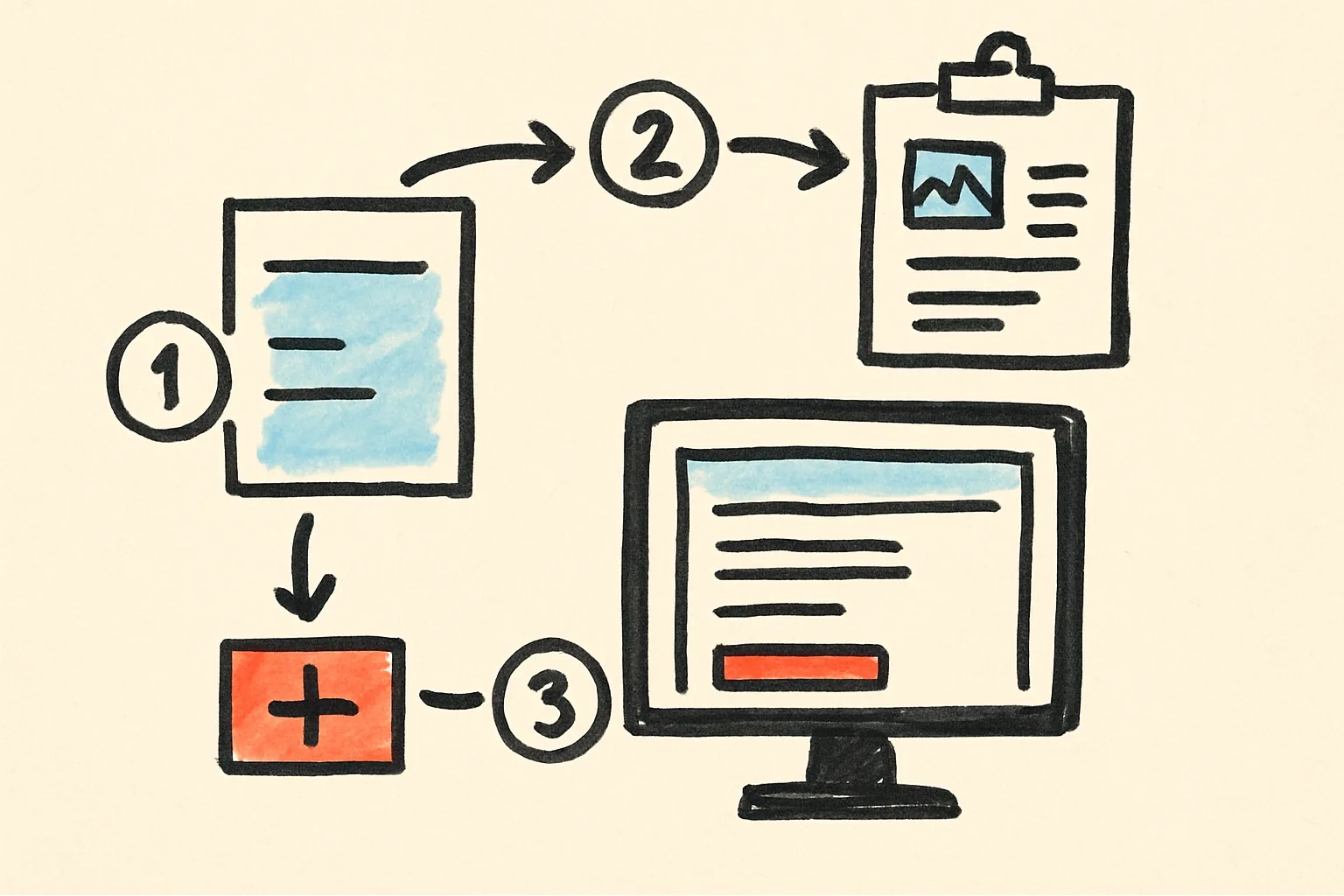
Step-by-Step: How to Research a Seller Before You Buy
Slow down before you send anything. A legitimate seller will still be there tomorrow.
- Read reviews across more than one platform, not just the testimonials the seller posted themselves.
- Check for business registration or a kennel license number, and search that number with the relevant state or local authority.
- Ask for two references from previous buyers, and actually contact them.
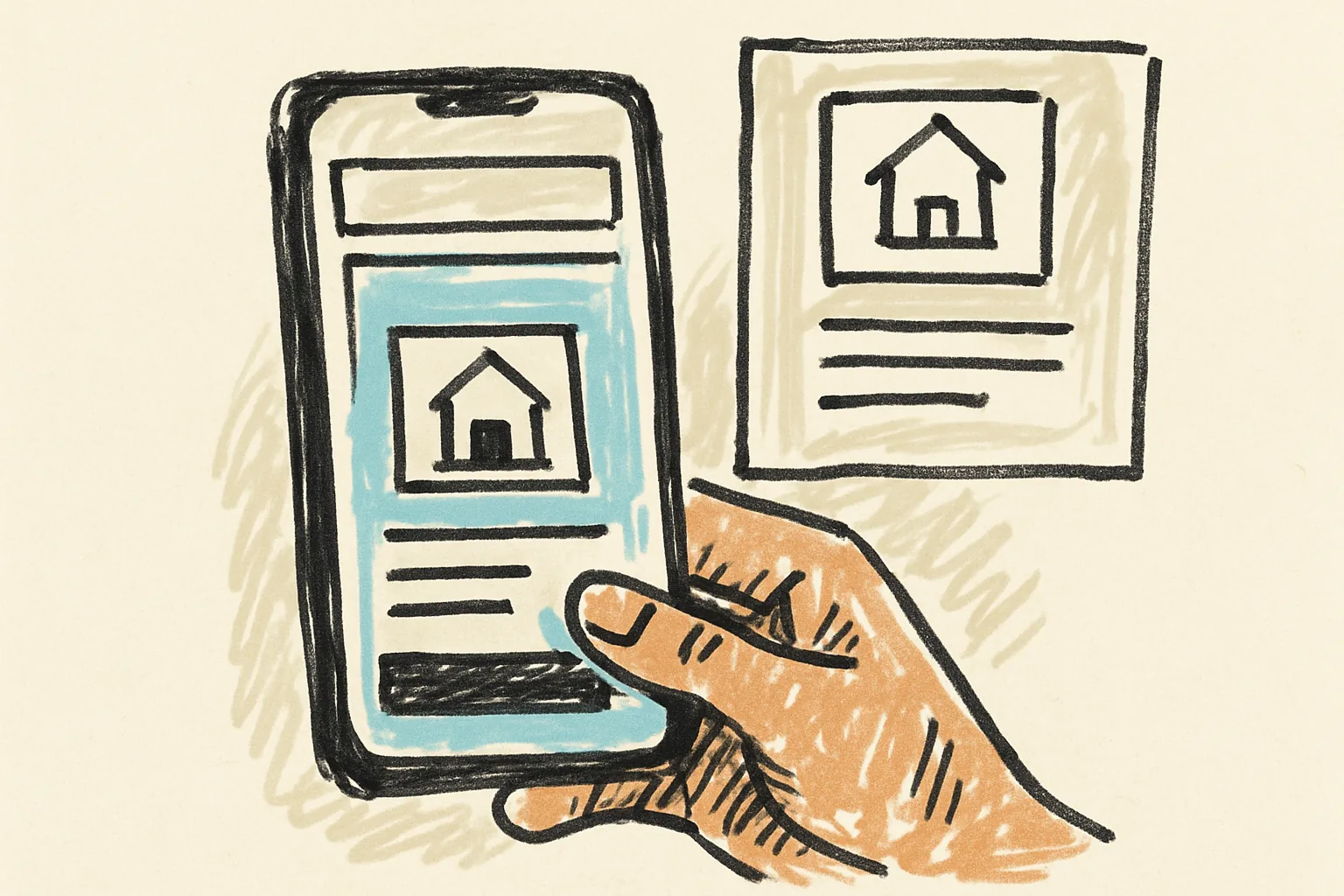
- Reverse-image search every photo the seller sends. Stolen litter photos circulate constantly, and a reverse search often turns up the same image on five other listings.
- Confirm a physical address exists and matches where the animal is supposedly kept.
Run the seller's phone number through a proper lookup before you call. Checking a phone number takes a couple of minutes and can flag whether it's tied to a string of unrelated listings or reports from other buyers. It won't catch everyone, but it filters out the laziest scams, and it's one of the simplest habits behind how to buy a pet safely online.
Pet Scam Red Flags to Watch For
Some warning signs show up in almost every fake listing. Learn them once and you'll spot them fast.
- A price far below market rate for that breed, with no explanation.
- Refusal to do a video call showing the actual animal in real time.
- Pressure to pay by wire transfer, gift cards, or cryptocurrency.
- No vaccination or health records offered, or vague answers about a vet.
- The seller won't allow an in-person pickup or a vet check before final payment.
Any one of these alone might have an innocent explanation. Two or three together, in the same conversation, is a pattern worth walking away from.
Buying Pets From Classified Ads: What to Know
Craigslist, Facebook Marketplace, and local classifieds carry a different risk profile than dedicated pet sites. There's often no verification layer at all — anyone can post, disappear, and repost under a new name the next week.
| Platform type | Seller accountability | Typical risk |
|---|---|---|
| Local classifieds / Craigslist | Minimal to none | Anonymous sellers, no history to check |
| Facebook Marketplace | Profile exists but easily faked | New accounts, stolen photos |
| Dedicated pet marketplaces | Some listing review | Still requires buyer diligence |
Because accountability is weakest here, an in-person meetup matters more than almost anything else. Meet in a public space first if you're nervous, then insist on seeing the animal in its actual living environment before any money changes hands. If a seller balks at that, that's your answer.
Step-by-Step: How to Verify Pet Health and Documentation
A healthy pet comes with paperwork. No paperwork usually means no vet has ever seen the animal.
- Request full vet records, not just a verbal summary of "shots up to date."
- Ask which vaccinations were given, on what dates, and by which clinic.
- Confirm whether the pet is microchipped, and get the chip number to verify separately.
- For breed-specific conditions — hip dysplasia in larger dog breeds, for example — ask whether the parents were health-tested and request the results.
- Call the listed vet clinic directly to confirm the records are real and match the animal.
That last step catches more fake listings than anything else on this list, and it's a core part of how to buy a pet safely online once you get into the habit of checking. It takes one phone call.
Safe Payment and Transaction Practices
Never send the full amount before you've seen the pet in person or on a live video call showing today's date somehow, whether that's a newspaper, a handwritten note, or a specific
message you agreed on beforehand. If the seller refuses a live interaction, treats basic verification as offensive, or pushes you to pay immediately, walk away.
Use a payment method that offers buyer protection when possible, and avoid wire transfers, gift cards, cryptocurrency, or any service that cannot be reversed. Keep every receipt, message, invoice, and profile link, because a paper trail matters if something goes wrong.
Be careful with shipping arrangements as well. A legitimate seller should be able to explain exactly how the animal will travel, who is responsible at each stage, and what documents will accompany it. If the delivery story changes repeatedly, that is another warning sign.
Finally, trust your instincts. The safest online pet purchase is the one that feels transparent, patient, and consistent from start to finish. If anything seems rushed, vague, or too good to be true, it probably is.
Conclusion
Buying a pet online can work well when you verify identities, health records, and payment details before sending money. Take your time, ask questions, and be willing to walk away so you can bring home a healthy animal from a trustworthy source.