How to avoid classifieds payment scams
Learn how to avoid classifieds payment scams with safe checks, trusted payment methods, and simple steps to keep transactions secure.
On this page
- What Classifieds Payment Scams Look Like
- Step 1 — Verify the Person and the Listing
- Step 2 — Use Safe Payment Methods for Classifieds
- Step 3 — Keep the Transaction on the Platform
- Step 4 — Watch for Common Scam Red Flags
- Step 5 — Confirm Payment Before Handing Over Goods
- Step 6 — Protect Yourself If Something Feels Wrong
- Step 7 — What to Do After a Scam
What Classifieds Payment Scams Look Like
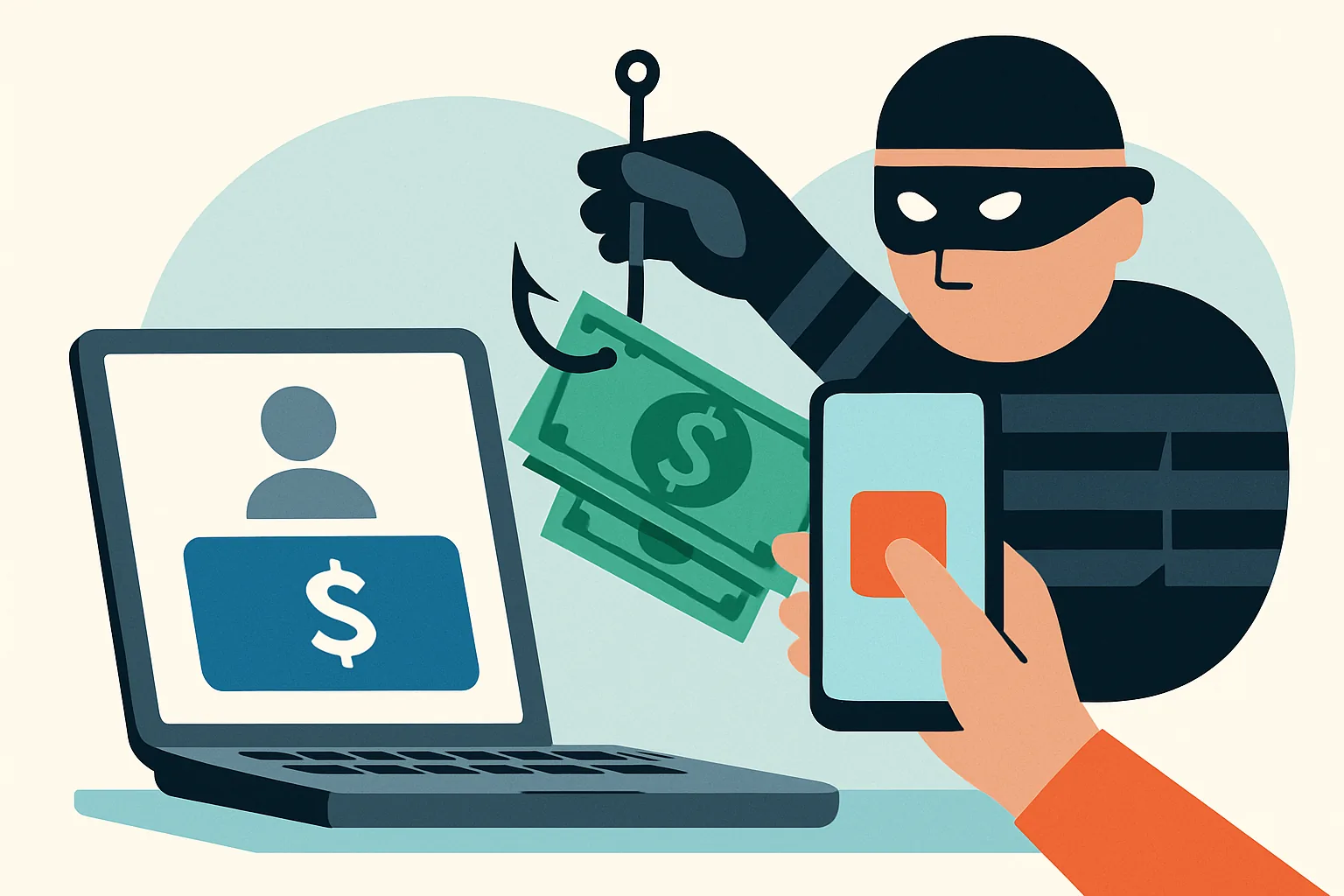
Classifieds are built on convenience: someone posts an item, someone else messages, money changes hands, and the deal is done. That speed is useful, but it also gives scammers room to work. Classifieds payment scams usually succeed because they mimic a normal transaction just long enough to make the victim relax.
One common pattern is the fake buyer or seller. A “buyer” says they have sent payment and pushes for immediate shipping or handover, even though no funds have arrived. The reverse happens too: a “seller” claims they need a deposit, a reservation fee, or a partial payment before you can see the item. In both cases, the story is designed to move the deal out of the usual flow and into the scammer’s control, which is why knowing how to avoid classifieds payment scams matters from the very start.
Another frequent trick is overpayment fraud. The scammer sends a message saying they accidentally paid too much and asks you to refund the difference. Later, the original payment is reversed, disappears, or turns out never to have been real in the first place. By the time the victim notices, the refund is long gone.
Chargeback fraud is also common, especially where cards or app-based payments are involved. A scammer pays for an item, receives it, and then disputes the charge with their card issuer or payment provider. The seller loses both the product and the funds. This is one reason classifieds payment safety depends so heavily on understanding which payment methods can be reversed and which cannot.
Then there is off-platform pressure. A person starts the conversation on the marketplace, then insists on moving to text, email, or a separate chat app “for convenience.” They may send fake payment screenshots, ask for bank details, or try to push you toward a method that leaves little protection. If you want a broader overview of how marketplace services are meant to work, it helps to read the 7 Admister services and the notes in How Admister works.
Step 1 — Verify the Person and the Listing
Before you talk about payment, slow the whole exchange down and check whether the person and the listing make sense together. A scammer can copy photos, borrow a description, and build a profile that looks respectable at a glance. What they usually cannot do is keep all the details consistent.
Start with the profile. Look at how long it has been active, whether the name matches the communication style, and whether there are signs of abrupt reuse. A seller who lists children’s clothing, then expensive electronics, then a rental property in different cities may be legitimate, but it deserves a closer look. So does a profile with a polished photo, vague bio, and no history at all.
Next, read the listing with care. Does the item description match the images? Are the brand, model, color, and condition all aligned? If the item is supposed to be “new in box” but the photos show scuffs, missing accessories, or a different serial format, that is a warning sign. Scammers often rely on people skimming quickly and assuming the gaps are harmless.
Contact details matter too. If a buyer says they can only be reached through one odd channel, or if the same phone number appears under several unrelated listings, pause. Checking a phone number can reveal patterns that are hard to see otherwise; if you are unsure how to do that, use Checking a phone number as a starting point.
Finally, compare what the person says in messages with what is written in the listing. A genuine seller can usually answer simple questions without changing the story. A scammer may dodge specifics, give rushed answers, or suddenly shift the item’s location, condition, or payment terms. Little inconsistencies matter. In classifieds, they are often the first thing that gives the game away.
Step 2 — Use Safe Payment Methods for Classifieds
Not all payment methods carry the same level of risk. Some are designed with buyer protection or dispute options; others are closer to handing over cash and hoping for the best. When people talk about classifieds payment safety, this is usually what they mean: choose a method that fits the level of trust you actually have, not the level you wish you had.
As a rule, methods that can be reversed or disputed may protect buyers, but they can create serious exposure for sellers. A card payment, for example, may be challenged later. That can be useful if you never received the item, yet it also means a seller may be vulnerable to chargebacks. On the other hand, very final methods such as cash or certain transfers may reduce dispute options, which can be a problem for the buyer if the item never arrives or is not as described.
The safest approach is to use the method the marketplace recommends and to understand its limits before you send anything. Read the payment instructions carefully and do not let a stranger redefine the process mid-deal. If a seller insists that one method is “broken,” “faster,” or “the only one that works tonight,” ask why and verify the answer independently.
A practical example helps here. Imagine you are buying a used laptop. The seller says they will only ship after you send an instant transfer to a private account. That may sound normal, but it removes much of your recourse if the laptop never appears. If the marketplace offers escrow, protected checkout, or a built-in payment flow, those options usually give you a cleaner paper trail and better evidence if something goes wrong.
For sellers, caution cuts the other way. If a buyer sends a message saying they have paid immediately, but the payment has not appeared in the account you normally use, do not treat the message as proof. A screenshot is not funds. A promise is not funds. Only the actual payment record matters.
Step 3 — Keep the Transaction on the Platform
One of the simplest ways to reduce online marketplace payment fraud is to keep the conversation, the offer, and the payment inside the platform whenever possible. That may seem almost too obvious, yet scammers rely on people wandering outside the system where records are thinner and disputes are harder to prove.
On-platform messaging creates a traceable history. If a seller changes the price after agreeing to one amount, or if a buyer edits their story after the fact, the earlier messages can matter. Off-platform chats are easier to delete, impersonate, or misrepresent. They also make it harder for the marketplace to help if you need to report a problem.
There is another reason to stay put: impersonation. A scammer may copy a profile name and move the conversation to a private channel where they can pretend to be the real person more easily. Once there, they can send fake receipts, request unusual payments, or create a sense of urgency that feels more convincing than it should.
This is also where people get caught by fake payment confirmations. A message that looks like a bank alert or platform notification can be fabricated in minutes. If everything remains inside the platform, suspicious claims are easier to compare against the actual transaction record.
If you need support from the platform, keep the chain of evidence visible. It is much easier to show what happened when the messages, payment requests, and item details are all in one place. If something becomes confusing, you can also review the guidance on getting support before taking the next step.
Step 4 — Watch for Common Scam Red Flags
Scams often announce themselves before they succeed. The problem is that the warning signs can look like ordinary impatience or bad communication. The trick is to notice when several small things point in the same direction.
- Urgency: the other person wants the deal finished “right now,” before you can check anything.
- Odd shipping stories: they claim they are abroad, travelling, or unable to meet normally but still want payment today.
- Pressure to switch channels: they push you from the platform to SMS, email, or a private messenger.
- Requests for gift cards or crypto: these are often used because they are difficult to reverse or trace in the usual way.
- Overpayment offers: they “accidentally” send too much and ask for a quick refund.
- Fake proof of payment: screenshots, blurred bank notices, or forwarded emails that do not match the transaction.
- Too much eagerness: the person agrees instantly, asks few questions, and seems more interested in moving money than in the item itself.
One red flag on its own may not mean fraud. People are busy, clumsy, or inexperienced. But when urgency, channel switching, and unusual payment requests show up together, the risk rises sharply. Trust that feeling of friction. Deals can be quick without being chaotic.
A useful habit is to ask one simple verification question and observe the response. A real buyer can usually wait a minute. A scammer often becomes impatient, defensive, or strangely vague. That reaction tells you more than the words themselves.
Step 5 — Confirm Payment Before Handing Over Goods
Before you release an item, make sure the payment has actually cleared in the place it should clear. This sounds basic, but many losses happen because a seller trusts a screenshot, a notification tone, or a message that “the transfer is on the way.” None of those are confirmation.
Check the payment in the account or platform where the money is meant to arrive. If the platform shows an order status, verify that status directly in your account rather than through a forwarded email. If a bank transfer is involved, open the banking app or log in through your own normal process and look for the transaction there. Do not rely on a PDF, a screenshot, or an email chain alone.
Be especially careful with spoofed emails. Scammers can make a message look like it came from a bank, a wallet provider, or the marketplace itself. The sender name may appear genuine while the actual address is not. Links may lead to lookalike pages designed to harvest login details. If the payment claim depends on an email, confirm it through a separate channel you already trust.
For in-person handovers, wait until you can see the funds in the relevant account or receive the official confirmation from the platform, not just a notification sound on the buyer’s phone. If the buyer says they are in a rush and need the item before the transfer fully settles, that is exactly when you should slow down.
And if you are selling something valuable, take a moment to note identifying details of the item before handing it over. Serial numbers, distinctive marks, and the final agreed condition can matter later if a dispute begins. It is a small step, but it can save a headache that lasts much longer than the deal itself.
Step 6 — Protect Yourself If Something Feels Wrong
When a deal starts to feel off, the best move is often to stop. Not argue, not negotiate, not “just see how it goes.” Stop. Scammers use momentum. The longer they keep you replying, the more they can steer the conversation.
First, save everything. Keep screenshots of the listing, the profile, the messages, the payment request, and any receipts or emails. Make sure the timestamps are visible if possible. If the scam involves a phone number or an account name, preserve that too. Evidence is boring until you need it.
Second, report the account or listing through the platform. Even if you are unsure whether the person is a scammer, reporting suspicious behavior helps the platform detect patterns across multiple users. One report may not solve the problem immediately, but it can prevent the same method from being used again.
Third, contact the payment provider quickly if money has already moved. They may be able to freeze a pending transfer, flag a suspicious transaction, or explain the next steps. The sooner you act, the better. Delays help scammers, not victims.
Fourth, warn the marketplace if the conversation happened on-platform and then shifted into suspicious territory. The support team needs the full story, not just the final message. If you are unsure how to phrase the report, the guidance at getting support can help you organize the essentials.
Sometimes the safest decision is simply to walk away. A legitimate buyer or seller will not mind careful checks. A scammer will.
Step 7 — What to Do After a Scam
If you have already lost money or sent an item, the priority changes from prevention to damage control. That is frustrating, but a calm response still matters. The first task is to document the incident clearly. Write down what was agreed, when the payment was made, what exactly was sent or received, and how the scam unfolded. The more concrete the timeline, the easier it is to report the case properly.
Contact the platform and the payment service as soon as possible. If the payment was recent, there may still be a narrow window for intervention. If it was not, you will at least create a record that can support future action. In some cases, your bank or card provider may ask for the seller’s details, the listing link, or copies of messages, so keep everything together.
Also review your account security. Change passwords if the scam involved account access, and check whether any recovery email or phone number has been altered. If you reused the same password elsewhere, update it there too. One bad transaction should not become three compromised accounts.
After that, take a careful look at how the scam worked. Did you miss a red flag? Did you confirm payment too early? Did the conversation move off-platform too quickly? This is not about blaming yourself. It is about making the next deal harder to manipulate. Scammers depend on repetition; your best defense is better habits.
If you want a practical habit to carry forward, start with two checks every time: verify the person and verify the payment. Those two pauses alone stop a surprising number of classifieds payment scams, and they are central to how to avoid classifieds payment scams in everyday buying and selling. They are not glamorous, but they work.
And if a future deal ever leaves you unsure, slow down and consult the platform guidance before money moves. A cautious minute is cheaper than a costly mistake.