How to Avoid Classified Ads Pickup Scams
Learn how to avoid classified ads pickup scams with simple tips for safe meetups, payment checks, and spotting red flags early.
On this page
- How to Avoid Classified Ads Pickup Scams
- 1. Understand What a Pickup Scam Looks Like
- 2. Spot the Biggest Meetup Scam Signs
- 3. Set Up a Safe Pickup Plan Before You Agree
- 4. Use a Secure Communication and Payment Checklist
- 5. Inspect the Person, Item, and Offer at the Meetup
- 6. What to Do if You Suspect a Scam
- 7. Build Safer Habits for Future Classifieds Pickups
How to Avoid Classified Ads Pickup Scams
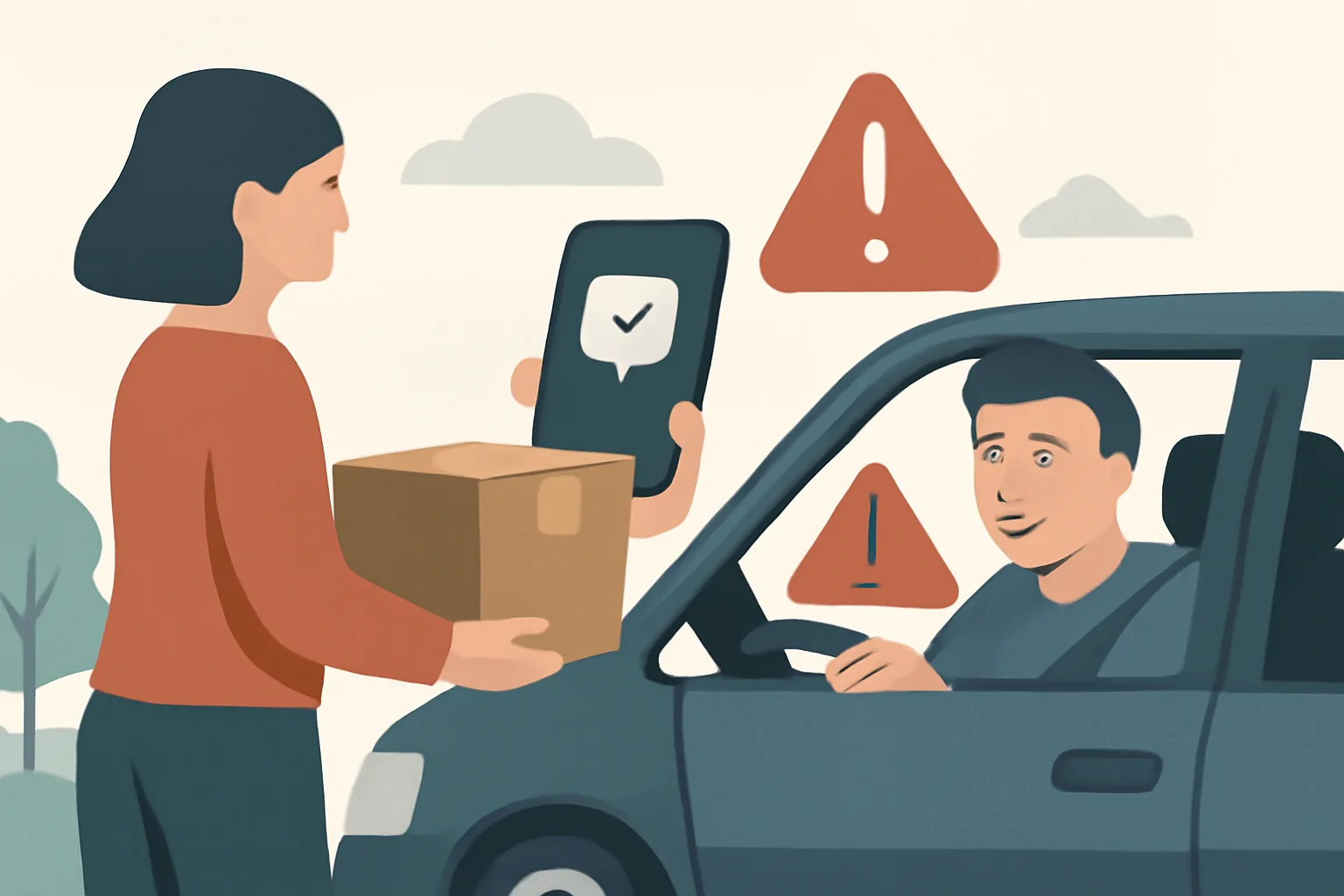
Classified ads are built on convenience. You post a sofa, a bike, a phone, or a set of tools, and a stranger on the other side of town wants to meet, hand over cash, and carry the item away. When it works, it feels refreshingly simple. When it does not, the “quick pickup” can turn into a pressure-filled encounter with a scammer who is trying to rush you, confuse you, or get something for nothing.
Pickup scams in classifieds do not always look dramatic. Often, they look ordinary at first: a polite message, a fast response, a buyer who says they are “already nearby,” or a seller who insists you meet “right now before someone else takes it.” That urgency is the point. The scammer wants you to act before you have time to check details, compare names, or notice that the story keeps shifting.
If you use classifieds often, it helps to think in layers: the message, the meetup, the item, and the payment, and each layer gives you a chance to spot trouble early. And if you want a broader picture of how the platform works before you start buying or selling, the How Admister works guide is an useful place to begin, including basic classifieds pickup safety guidance.
1. Understand What a Pickup Scam Looks Like
Pickup scams come in a few familiar patterns. The details vary, but the logic stays the same. A fake buyer may pretend to be interested in your item just to pull you into a risky meeting or redirect you to a different way of paying. A fake seller may advertise something attractive, then create confusion at pickup, especially if you show up prepared to pay cash on the spot. In some cases, a scammer tries to play both sides: they pose as a buyer, then later claim they never got the item, or pose as a seller and vanish after taking a deposit.
The red flags are usually about speed and pressure. The scammer wants urgency, and urgency tends to make people skip basic checks. Watch for messages that sound rushed, vague, or oddly scripted. “I’m on my way, bring it now.” “I can’t talk much, just meet me.” “My friend will pick it up instead.” A legitimate buyer may be busy; a scammer often sounds busy in a way that prevents careful discussion.
Another common sign is inconsistency. The name in the chat may not match the name at the meetup. The item may suddenly be “for a cousin” or “for the office,” which can be harmless — or it can be a convenient way to avoid direct accountability. Platform fraud patterns can vary, especially if you are dealing with a marketplace that has its own reporting rules or identity verification flow.
It is also worth remembering that not every scam is about money changing hands instantly. Sometimes the goal is to get your personal details, lure you to a less visible location, or make you accept terms you would normally refuse, and a pickup scam can be as simple as a fake meeting designed to create use.
2. Spot the Biggest Meetup Scam Signs
Meetups are where classified scams often become obvious, if you know what to look for. One of the biggest warning signs is a request to move off-platform too quickly. That might sound like, “Text me directly, the app is slow,” or “Let’s use another messenger so we can talk faster.” There are reasonable situations where a buyer prefers another channel, but scammers like to leave the platform because it weakens the record of the conversation, and if the app has message history, keep it there whenever possible.
Be careful when the location suddenly changes. A buyer who originally agreed to meet at a café or store parking lot may later suggest “a better spot” near a side street, a private apartment entrance, or a place that is inconvenient for you but convenient for them. A sudden location change can be harmless, but it is also a classic way to steer you into a less safe situation. If the change comes with pressure — “I’m already here, hurry” — that is a stronger warning sign.
Overpayment tricks deserve special attention. A scammer may offer to pay more than the asking price and then invent a reason to collect the difference later, and the story may involve a delivery mistake, a broken app, or an “accidental” transfer. Once you hand over the item or cash, the reversal story begins. The clean answer is simple: stick to the agreed price and do not treat extra money as a convenience.
Another common problem is the refusal to inspect the item. A serious buyer usually wants to look at the phone, test the lamp, check the bike chain, or confirm that the shoes are the right size, and a scammer may wave that off and keep the meeting moving. That can be a tactic to avoid being caught in a lie, or it can be a way to create haste so you do not notice they are offering counterfeit notes, a broken device, or a bait-and-switch item.
Then there is the lonely-meetup request. “Come alone,” “Don’t bring anyone,” or “I’ll be alone, you should be too” may sound casual, but it is not casual at all. You do not owe a stranger a private meeting. In fact, you should assume that a safer pickup is one where other people are around, there is good visibility, and you can leave without drama. If the other person pushes for isolation, end the conversation.
A suspicious message often combines several of these clues, and for example: “I can pay more if you come to my place tonight. I don’t have time to check the item, and I’d rather message on WhatsApp.” That one line includes a location shift, off-platform pressure, urgency, and an overpayment angle. One sign may be explainable. Four in one sentence usually are not.
3. Set Up a Safe Pickup Plan Before You Agree
The safest pickup starts before anyone says “I’m outside.” Make the plan while you still have time to think. Choose a public location with people nearby and a clear way to leave if needed. A busy café, a store entrance, or a well-lit public area is usually better than a quiet street corner or an apartment lobby, and you want eyes around you, not questions later about why you met in a place that felt hidden from the start.
Confirm the item and the price in writing. It sounds basic, but that is exactly why people skip it. A short written record keeps everyone aligned: what is being sold, for how much, and where the meetup will happen. If someone later claims they were expecting a different item, you have a straightforward reference. Clarity is not awkward; ambiguity is.
Tell someone you trust where you are going and when you expect to be back, and share the listing, the meeting point, and the buyer’s or seller’s name if you have it. This is not being paranoid. It is the same kind of common-sense backup you would use for any unfamiliar meetup. If the plan changes last minute, tell your contact as well. One of the oldest tricks in unsafe meetups is to make you feel that changing plans is “no big deal.” It can be.
Avoid last-minute changes unless you have verified the reason and are genuinely comfortable with it, and if a buyer says they are “five minutes away” but then asks you to come to another address, pause. If a seller changes the meeting point three times, pause again. A legitimate person may need to adjust once; a scammer often treats change as a tool for control.
For recurring transactions, it helps to keep your own pickup checklist, and include the basics: location, time, item description, agreed price, contact name, and whether someone knows where you are. Then use the same checklist every time. Familiarity is useful, but it can also make people careless. A checklist keeps the process calm and repeatable, and it strengthens classifieds pickup safety without making the process complicated.
4. Use a Secure Communication and Payment Checklist
Good communication is one of the easiest ways to reduce risk. Keep the conversation in the app or platform whenever possible, because the record helps if something goes wrong. If a person insists on switching channels too early, ask yourself why. The need for speed is not a safety argument.
When payment comes up, keep it boring. That is the best compliment you can give a transaction. Avoid unusual payment methods, unclear transfer arrangements, and anything that depends on a later reversal or manual correction, and if you are not sure how a method works, do not improvise at the meeting.
Beware of requests that sound practical but are actually risky: “I’ll send proof from my bank later,” “My payment is pending but the app always does that,” or “Can you release the item now and we’ll sort the rest after.” Those phrases can be honest in a real conversation, but they are also convenient cover for people who want the item first and accountability later. If the money is not clear, the deal is not clear.
A short checklist helps:
- Keep messages on the platform whenever possible.
- Confirm the item, price, time, and location in writing.
- Do not accept strange payment methods under pressure.
- Do not rely on promises of later correction or reimbursement.
- Stop if the other person asks for secrecy, speed, or off-platform contact too early.
If you sell frequently, it may also help to review the platform’s support pages before you list an item or accept a pickup. For questions that keep coming up, the Frequently asked questions page can save time and reduce guesswork.
5. Inspect the Person, Item, and Offer at the Meetup
At the meetup, slow down. That is when scammers often try to speed you up, and first, check that the item matches the listing. If you are buying, verify that the size, condition, accessories, and visible features are what you expected. If you are selling, make sure the person in front of you is ready to take the exact item described, not a different version with a different story attached.
Then look at the person’s behavior. You are not trying to judge someone’s character from one glance; you are checking whether their actions match the plan. Are they avoiding eye contact because they are shy, or because they are trying to keep you from noticing a switch? Are they distracted by a phone call at the exact moment payment should happen? Are they pushing you to finish quickly before you inspect anything? Small behaviors matter.
Do not let distraction tactics pull you off balance. A second person arriving unexpectedly, a request to “just sign here,” or a sudden problem with the car can all be used to split your attention. In a messy meetup, the scam is often hidden in what happens between the obvious steps. Keep your attention on one thing at a time: item, price, payment, handoff.
If identity confirmation is relevant to the transaction, ask for it in a calm, ordinary way, and you do not need to turn the meetup into an interrogation. But you do need enough confidence that the person who arrived is the person who arranged the deal. If the name, account, or details do not line up, stop. A mismatch is a reason to leave, not a challenge to solve on the spot.
And if something feels off, trust that reaction, and you do not need courtroom-level proof to end a meetup. You need only enough concern to decide the trade is no longer worth it. The best pickup outcome is not “I persevered.” It is “I left before anything got worse.”
6. What to Do if You Suspect a Scam
If the encounter starts feeling wrong, end it. Keep the wording simple and non-confrontational: you are no longer comfortable proceeding, you need to leave, or the item is no longer available. You do not owe a debate. In fact, debate is often exactly what a scammer wants, because it keeps you there longer.
As soon as you are safe, save everything. Take screenshots of messages, record the username or contact details, note the time and location, and keep any photos or listing links. If cash changed hands, write down what happened while it is still fresh. Good notes matter. Later, when the story starts blurring together, those details become the difference between a clear report and a vague complaint.
Report the listing or conversation through the platform’s available channels, and if you are unsure where to start, check the support resources or the site’s help section. You can also use Getting support for a general path to the right help channels.
If the situation involves threats, theft, or other criminal behavior, contact local authorities as needed. A platform report is useful, but it is not a substitute for personal safety. If you believe the person may still be nearby, go somewhere public and ask for help from staff or security, and it is better to overreact to a bad feeling than to ignore a real one.
One more practical point: if the scam involved a phone number or suspicious contact detail, keeping a record can help you avoid future follow-ups. For help with checking whether a number looks legitimate, see Checking a phone number.
7. Build Safer Habits for Future Classifieds Pickups
The easiest way to avoid classified ads pickup scams is not a single trick. It is a habit. People who stay safe tend to do the same few things consistently: they slow down, they verify details, they meet in public, and they do not let pressure rewrite the rules halfway through the deal.
Make a personal routine and reuse it. Before every pickup, ask yourself: Do I know what is being bought or sold? Is the price confirmed? Is the location public? Has someone else been told where I am? Is the other person insisting on off-platform contact, secrecy, or a sudden change? These are simple questions, but they catch a lot of trouble early.
It also helps to review warning signs from time to time, especially if you have not bought or sold for a while. Scammers count on habits going stale. The safer your routine becomes, the less room they have to improvise. If you are using classifieds regularly, it can be useful to learn from common scams aimed at buyers as well; the warning patterns often overlap. For a related overview, see how to spot a scam buyer.
In the end, safe pickup behavior is not about fear. It is about structure. A clear plan, a public place, steady communication, and a willingness to walk away can turn a risky meetup into a routine transaction. That is the real goal: not to become suspicious of everyone, but to make it much harder for a scammer to benefit from your trust.