How to Avoid Classified Ads Scams: A Step-by-Step Guide
Learn how to avoid classified ads scams with simple checks for listings, sellers, messages, payments, and item verification.
On this page
- How to Avoid Classified Ads Scams: A Step-by-Step Guide
- 1. What Classified Ads Scams Look Like
- 2. Before You Contact a Seller: Check the Listing Carefully
- 3. Safe Communication Habits When Buying on Classifieds Safely
- 4. How to Verify the Seller and the Item
- 5. Used Item Marketplace Safety: Choosing a Safe Meeting and Payment Method
- 6. Common Payment and Shipping Scams to Avoid
- 7. What to Do If Something Feels Wrong
- 8. Quick Checklist: Buying on Classifieds Safely
How to Avoid Classified Ads Scams: A Step-by-Step Guide
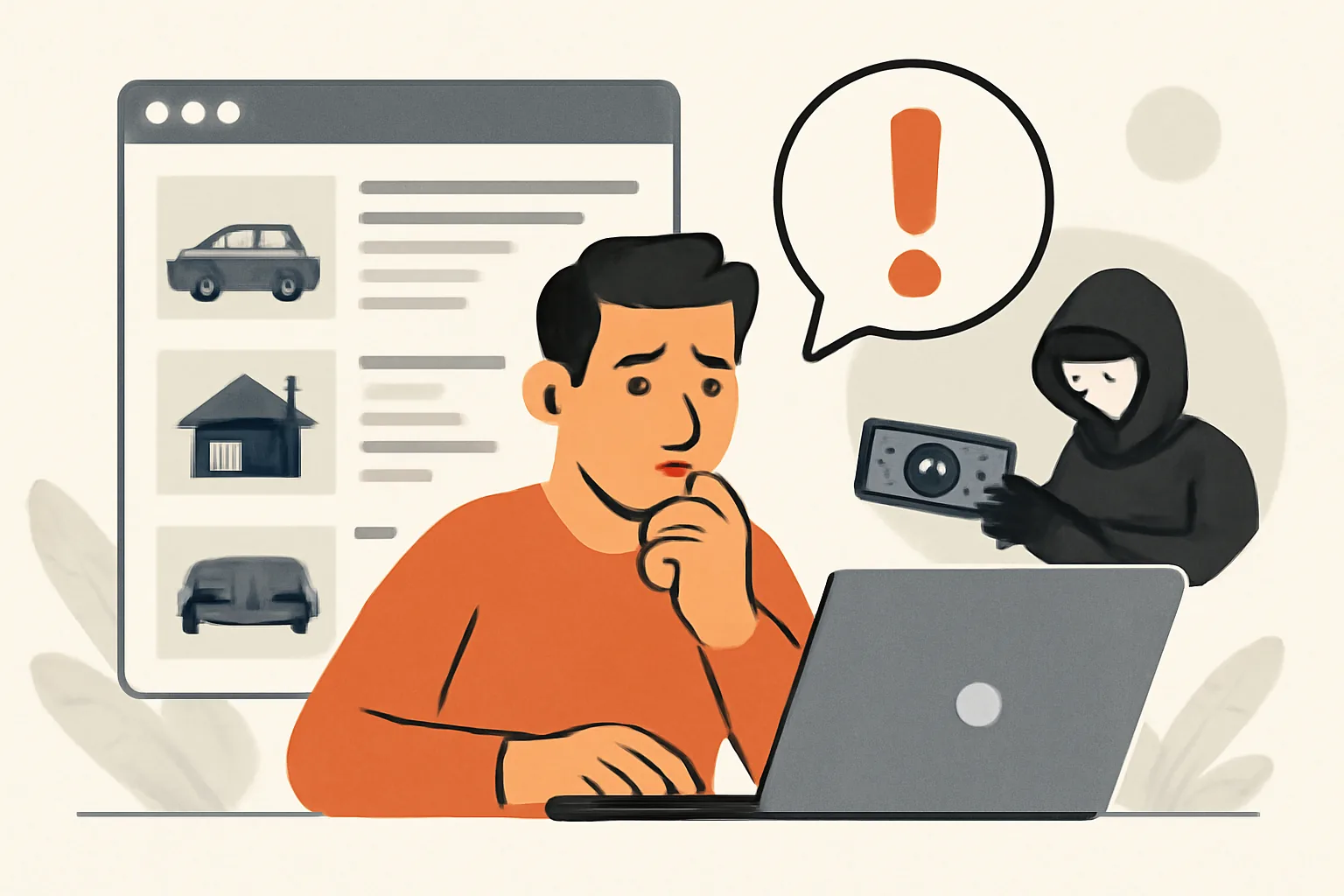
Classified ads are supposed to make buying and selling simple. A few photos, a short description, a message or two, and a deal is done. But that same speed is exactly what scammers rely on. They want you to decide quickly, trust too soon, and skip the checks that would expose the trick.
The good news is that most classified ads scams follow familiar patterns. Once you know what to look for, the warning signs become easier to spot. This guide walks through the process step by step: how to read a listing, how to message a seller, how to verify the item, and how to avoid the payment traps that cause the most trouble. If you’re also looking for broader platform guidance, How Admister works and the Frequently asked questions pages can help with the basics.
1. What Classified Ads Scams Look Like
Most scams in classifieds fall into a handful of patterns. Some are obvious if you slow down; others look perfectly normal until the money is gone.
- Fake listings use stolen photos and a tempting price to draw in buyers. The item may not exist at all.
- Bait-and-switch tactics advertise one thing, then push a different, lower-quality item once you’re interested.
- Overpayment scams involve a buyer “accidentally” sending too much and asking you to refund the difference, often before the original payment clears.
- Phishing attempts try to move you to a fake login page or payment page that captures your credentials.
- Pressure-to-act-fast schemes create urgency: “I have three other buyers,” “pay now or I’ll sell it elsewhere,” or “the courier is waiting.”
Some of the oldest tricks still work because they sound practical. A seller who insists a rare item must be claimed within minutes. A “buyer” who says they’re abroad and need a courier to collect the item. A message that includes a link and asks you to confirm your account. None of these are automatically fraudulent, but they deserve extra attention.
One common pattern worth mentioning is the fake deposit request, where the other person asks for a small upfront payment to “hold” the item. That can be a legitimate practice in some cases, but it can also be a convenient way to collect money and disappear. Treat deposits carefully unless you already trust the seller and the platform offers a clear process.
2. Before You Contact a Seller: Check the Listing Carefully
The first defense against classified ads scams is a patient reading of the listing itself. Scammers often leave clues before you ever send a message.
Start with the price. If it is dramatically lower than similar items, pause. A bargain can be real, of course, but very low pricing is one of the easiest ways to lure hurried buyers. Compare the ad against other listings for the same model, condition, and region. If it looks too good to be true, it probably deserves a closer look.
Next, read the description. Honest sellers usually give concrete details: model numbers, age, condition, flaws, accessories, pickup options, and reason for sale. Scam listings tend to be vague. They say “great condition,” “barely used,” or “must sell quickly” without saying much else. That’s not proof of fraud, but it is a reason to keep reading with a skeptical eye.
Photos matter too. Stock images, photos that appear cropped from a website, or pictures with inconsistent lighting can be signs of trouble. If every image looks too polished, or if the item never appears in a real setting, ask for current, original photos. A genuine seller should have no problem showing the exact item from different angles.
Watch for broken language or strange phrasing that doesn’t match the rest of the post. Some scammers copy and paste listings across regions, leaving awkward wording behind. Also check whether the item details make sense together. For example, a listing might mention one brand in the title and another in the description, or show accessories that don’t belong to the product. Those mismatches are small, but they often reveal a bigger problem.
If you are shopping for second-hand devices, it also helps to understand how legitimate resale listings usually work. Our article on how to buy used electronics safely covers practical checks that are especially useful for phones, laptops, and other electronics.
3. Safe Communication Habits When Buying on Classifieds Safely
Good communication habits can stop many problems before they begin. The safest approach is simple: keep the conversation on the platform whenever possible, at least until you’ve done your checks.
Scammers often try to move quickly to text, email, or messaging apps they control more easily. That by itself is not proof of fraud, but off-platform conversations can reduce your ability to report abuse or prove what was said. If the platform offers a built-in chat, use it for as long as you can.
Avoid sharing personal information too early. Your full address, banking details, ID photos, and other sensitive data should stay private until you have a solid reason to disclose them. Even then, ask whether the request is truly necessary. Most routine transactions do not need extra personal information.
Pay attention to how the other person responds to basic questions. A legitimate seller should be able to answer simple things: when the item was purchased, whether it has defects, why they are selling it, and whether the original packaging or proof of purchase exists. Red flags include vague replies, repeated avoidance, or a sudden push to close the deal before questions are answered.
Urgency is one of the most common manipulation tactics. “I have another buyer waiting.” “You need to transfer now.” “I’m leaving town tonight.” Genuine sellers can be in a hurry, but a constant sense of panic is often designed to keep you from thinking clearly. Slow the exchange down. A good deal should survive a few reasonable questions.
4. How to Verify the Seller and the Item
Verification is where a lot of risky ads fall apart. You don’t need to become a detective, but you should check enough to be confident that the person and the item are real.
Start with the seller profile. Look at account history, previous listings, and how the profile is presented. A brand-new account with no history is not automatically bad, but it should prompt more caution. Profiles with inconsistent names, repeated item flips, or very generic activity can be harder to trust.
If the platform shows seller reviews or ratings, read them rather than glancing at the number alone. A handful of detailed, consistent comments is more useful than a large, vague score. You want signs of normal behavior: punctual meetings, accurate descriptions, and fair communication.
Then verify the item itself. Ask for current photos that include something specific and hard to fake, such as a handwritten note with today’s date next to the item. For electronics, request the serial number or IMEI if appropriate, and compare it against the visible condition and the seller’s story. If the seller refuses to provide basic proof, that refusal is information in itself.
Reverse image checking can help when the listing photos look suspicious. Search the images to see whether they appear elsewhere online. If the same picture shows up in another ad, on a retailer site, or in a different city, be careful. It may be stolen content used in a fake listing.
In-person verification is even better. When the item is something like a phone, camera, or laptop, test the key features on the spot. Power it on. Check the screen, buttons, ports, charging, and battery behavior if possible. For bikes, appliances, or tools, inspect the moving parts and look for signs of heavy wear. Ask the seller to demonstrate that the item works as described.
Some platforms offer identity or listing verification tools, but those claims should be read carefully. A verified badge can be helpful, yet it should not replace common sense. It is still worth confirming that the item, the seller, and the story all match.
5. Used Item Marketplace Safety: Choosing a Safe Meeting and Payment Method
Used item marketplace safety often comes down to where you meet and how you pay. The safest transaction is usually the one that is easy to observe, easy to stop, and easy to document.
Meet in a public place with people around. Cafés, shopping center entrances, and other busy daytime locations are usually better than private homes, isolated parking lots, or places that are hard to leave quickly. Daylight meetings are preferable because it is easier to inspect the item and easier to notice if something feels off.
Bringing a friend can make the exchange safer and less stressful. It gives you another pair of eyes and another person who can help if the other party behaves strangely. Even when everything is legitimate, two people are often better than one at noticing details.
Inspect the item in person before paying whenever possible. This is especially important for used electronics, where photos can hide cracks, battery issues, lock status, or missing parts. If the seller resists a normal inspection, ask yourself why. A genuine seller should understand that buyers need to verify what they are purchasing.
Payment method matters just as much as the meeting place. Choose options that give you some record of the transaction and some ability to dispute problems, if your platform or payment provider supports that. Avoid methods that are difficult to trace or reverse. If a seller pressures you to use a payment type that seems unusual, step back and ask why that method is necessary.
A useful rule: if the payment method removes your ability to question the transaction, it also removes your protection. That does not mean every reversible payment is safe, but it does mean you should understand what you’re giving up before you send money.
Also be wary of shipping arranged outside the platform. A local pickup can become a “remote sale” very quickly if the other person says they will ship after payment, but never gives proper tracking or proof. Keep shipping arrangements clear, written down, and consistent with the platform’s rules.
6. Common Payment and Shipping Scams to Avoid
Payment scams are where many classified ads deals go wrong, because the pressure to complete the transfer can override caution. Knowing the common variants helps.
Overpayment scams usually start with a buyer sending more than the asking price and asking for a refund of the difference. The original payment later fails, reverses, or turns out to be fraudulent, leaving you out the refund amount. Never send money back unless you are sure the original payment is final and legitimate.
Fake escrow scams involve a made-up third party that “holds” the funds until the item arrives. The website or link may look professional, but the whole arrangement is designed to make you believe your money is protected. If the escrow service was invented by the other party, treat it as unsafe.
Chargeback scams can happen after an item has been delivered. The buyer pays, receives the item, and then disputes the charge. If the platform or payment provider allows disputes, keep all messages, shipping records, and proof of handoff.
Gift card scams are a major red flag. No honest local seller should need payment in gift cards. That request almost always means you should walk away.
Shipping-label scams may involve the other person asking you to use a label they provide, or to send the item with a vague courier arrangement. If the label, address, or tracking setup is controlled by someone else in a way that prevents you from confirming delivery, be cautious. Make sure you know exactly where the package is going and how it will be tracked.
The simplest rule set is this:
- Do not rush into payment.
- Do not refund unexplained overpayments.
- Do not accept strange payment methods just because the other person insists.
- Do not move shipping or payment off-platform unless you fully understand the risk.
- Do not continue once the other party starts dodging basic verification questions.
7. What to Do If Something Feels Wrong
If the conversation starts to feel off, stop and collect yourself. You do not need to “save” a bad deal. In fact, stepping back early is often the smartest move.
First, stop sending money or personal information. Then document everything: screenshots of the listing, messages, usernames, payment requests, and any phone numbers or email addresses involved. Keep the evidence in one place. If you later need to report the issue, those details matter.
Next, report the listing through the platform. If the site has a reporting tool, use it. If you need help understanding the process, the Getting support page is a useful starting point.
If you already paid, contact the payment provider immediately and explain that you may have been targeted by a scam. Time matters. Some disputes are easier to open than to repair later. If account credentials were shared, change your passwords and enable any extra security options available. If you reused the same password elsewhere, change it there too.
If you shared sensitive information, keep an eye on your accounts and credit-related activity as appropriate. And if the other party becomes threatening, save the evidence and consider reporting the behavior through the platform or to local authorities, depending on the seriousness of the situation.
8. Quick Checklist: Buying on Classifieds Safely
Before you buy, run through this short checklist. It takes less time than recovering from a bad transaction.
- Does the price look realistic compared with similar listings?
- Is the description specific, consistent, and believable?
- Do the photos look original, recent, and tied to the exact item?
- Has the seller answered basic questions clearly?
- Have you kept communication on the platform as long as possible?
- Have you avoided sharing personal or financial information too early?
- Have you verified the seller profile, the item condition, and any serial numbers or proof of ownership?
- Will you meet in a public place during the day, ideally with someone else nearby?
- Can you inspect the item before paying?
- Is the payment method one you understand and trust?
- Are you avoiding overpayment, gift cards, fake escrow, and off-platform shipping requests?
If the answer to several of those questions is no, walk away. There will always be another listing. What you want is not just a good price, but a safe one.
Classified ads can still be a practical way to buy and sell, as long as you treat every transaction with a little discipline. Read slowly, verify carefully, meet safely, and do not let urgency make decisions for you. That combination does not guarantee perfection, but it does put the odds back on your side.